
Sex education never taught young women this important lesson
Plus: 🌍 Communities without men 📰 Lessons in journalism 💪 Stories of resilience

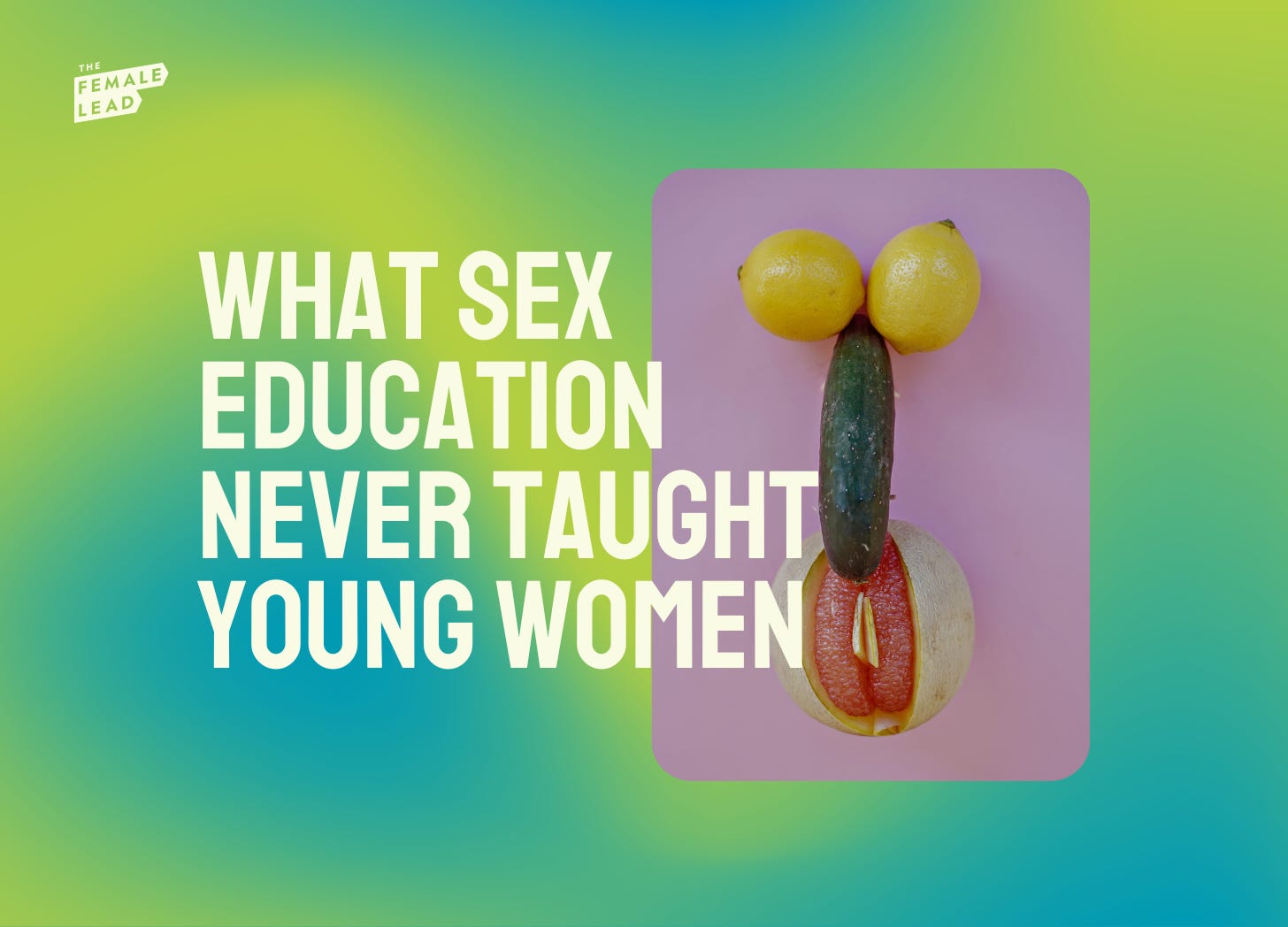
We had our school sex education at 13. The day was split into various sessions where we learnt about safe sex, STDs, contraception and consent.
Even then, there seemed to be a difference in what boys and girls were being prepared for. The boys in my class seemed excited about sex, like pleasure was an inevitability waiting for them. For girls, there was a feeling that sex was something we’d learn to adapt to, maybe eventually enjoy later. Pain was expected. Pleasure wasn’t.
University of Michigan professor Sara McClelland has spent years studying this negotiation. Her research into sexual satisfaction found that young men and women imagined “a very different low end of the sexual satisfaction scale”. Men tended to frame the low point of sexual experience in relatively neutral terms - loneliness, lack of stimulation, an unattractive partner. Women, however, used terms such as “pain”, “degradation”, “emotionally sad”, and “depressed.”
I spoke to Sara, alongside writer and sexologist Suzannah Weiss, to understand where those definitions come from — and why women’s version of “bad” sex can so often include pain rather than just disappointment.
Read the full article below.
Welcome back to Take The Lead, the fortnightly newsletter from The Female Lead.
Here’s a roundup of the articles you loved this month.
After discovering that her great-grandmother had once lived in a women-led community in southern India, journalist Megha Mohan began exploring the hidden history of women-only spaces around the world. From ancient matrilineal societies and medieval beguinages to modern safe havens for mothers, lesbians and girls resisting forced marriage, Herlands examines why women continue to create spaces away from men.
The arrival of The Devil Wears Prada sequel, 20 years after the original, offers a glossy but surprisingly sharp look at how dramatically the magazine industry has changed since the heyday of print publishing. Former Marie Claire editor-in-chief Andrea Thompson, who started her own career in magazines during the era of lavish fashion shoots, expense accounts and pre-social media exclusivity, reflects on what it was really like working in media at the time — and shares the lessons she’s learned from two decades navigating journalism and leadership as a woman in the industry.
When paralympian and broadcaster Stefanie Reid tried to buy a new pair of running trainers, she ran into a frustrating problem familiar to many amputees: she only needed one shoe. After sharing her experience online, her campaign sparked a wider conversation about whether brands are truly designing for inclusion or just marketing it. In her article, Stef explores what genuine inclusivity actually looks like and how small practical changes can have a huge impact on people’s everyday lives.
In her new book The Waiting Room, former Sunday Times editor Audrey Ward explores the unspoken reality of infertility, miscarriage and delayed motherhood through the stories of dozens of women navigating the long, uncertain path to parenthood. Her article reflects on the emotional toll of “waiting” and the many different ways women find meaning, resilience and hope when life doesn’t follow the timeline they imagined.
Enjoy this issue, share it if you like it, and reply directly to let us know what you think.
You can also catch up on our most recent full newsletter here.
The Female Lead Team

Worlds without men - discovering the secrets of women only societies

By Megha Mohan, author of Herlands: Lessons From Societies Where Women Make the Rules

What happens when motherhood is delayed, reshaped or never arrives at all?

By Ex-Sunday Times Editor, Audrey Ward, author of The Waiting Room: Stories of Love, Loss and Hope on the Path to Parenthood
“I think of life in terms of ‘before’ and ‘after’ my accident”

Stefanie Reid MBE doesn’t call herself a disability campaigner. In fact, she actively resists the label.

Become a paid supporter
The Female Lead is a charity on a mission to empower women.
In the last 8 years, we have given access to books and teaching materials to 2.5 million students in 25,000 schools around the world. We carry out research that reframes our understanding of women’s experience, such as our Fulfilment Findersurvey which reveals what matters most to women at different life stages. It has now been completed by 150,000 women globally.
We can’t run the charity without your support.
For just £3.50 a month or £25 a year, you can make a huge difference.
Your donations allow us to continue to provide teaching resources and education to girls and women around the world, conduct groundbreaking research, and share science and stories online.
By pledging to make a donation, you get a host of other benefits like:
Access to our full archive of content on everything from advice from CEOs, to early menopause, to the brain impact of the mental load
Get the first look at our research reports busting myths around women
A virtual supporter badge to share and display online