
"I went through early menopause - 5 things I wish I’d known"
1 in 10 women experience early menopause before the age of 45. Here’s what really happens…


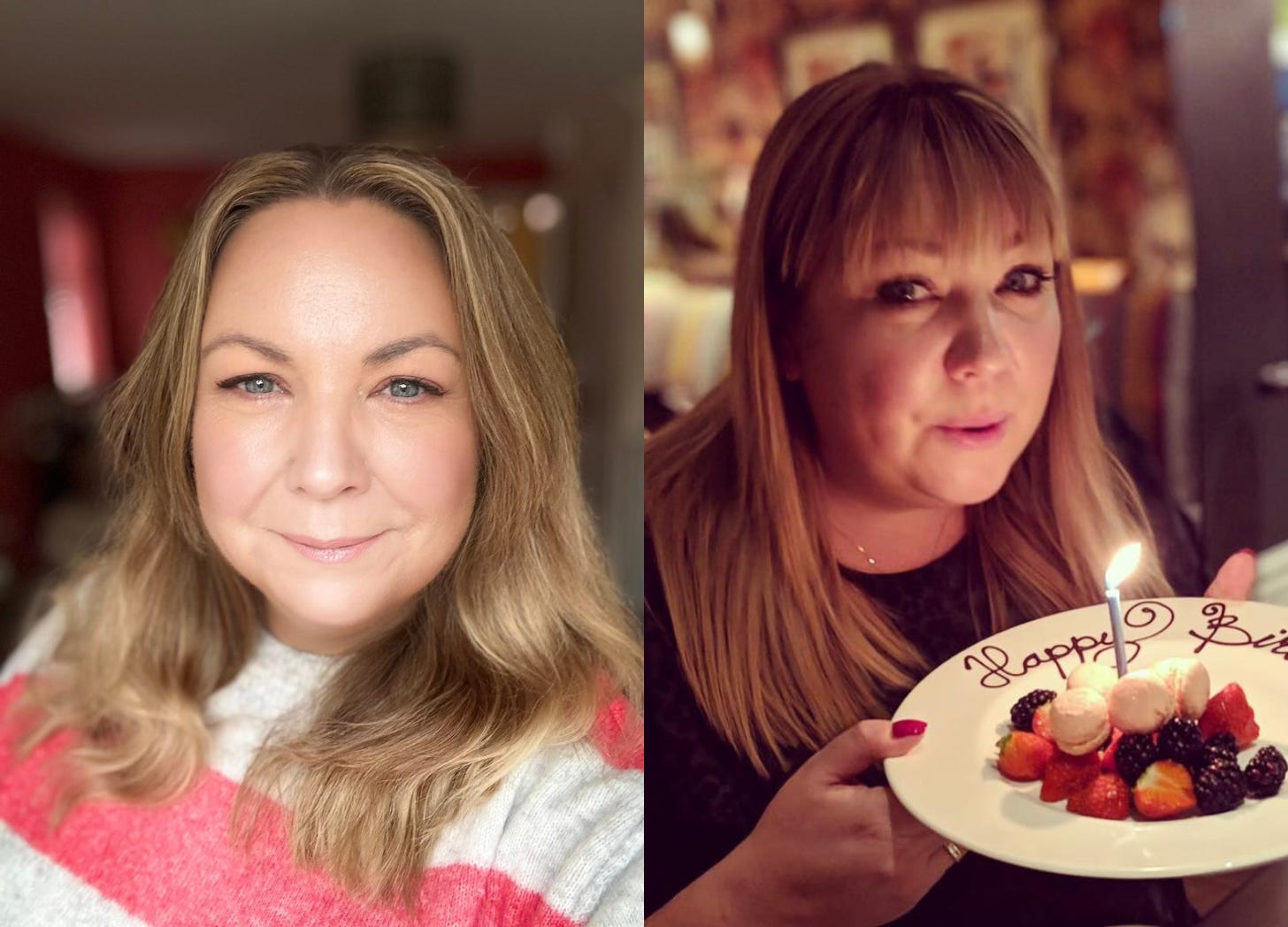
By Caroline Millington
Menopause wasn’t supposed to arrive at 40. But in my late thirties, my body quietly began telling a different story and to be honest, like so many women in perimenopause, I didn’t have a clue what was going on.
In September 2018, I missed a period. They’d always been regular and there was no possibility that I was pregnant. It was the first time I’d considered I could be in early menopause at 40. But not the first sign. Here’s what I wish I’d known…
You’re not going mad - it’s perimenopause!
I sent a text to a friend on 19 September: Missed a period - literally slight spotting one day last month (August). Nothing since. Early menopause is a possibility. Would explain low mood & oversleeping some days. Wake up boiling hot... It might not be but... 😢
I’d struggled for a few years in my late thirties feeling discombobulated, in a way that’s hard to describe but slipping into a similar depression I’d experienced in my early twenties: agitated and frustrated at work, cancelling on friends because of social anxiety, and just not feeling myself. Instead of going to the GP, I went to therapy for four years. It certainly helped but there was still a feeling things weren’t right. When I was 40, I started missing periods.
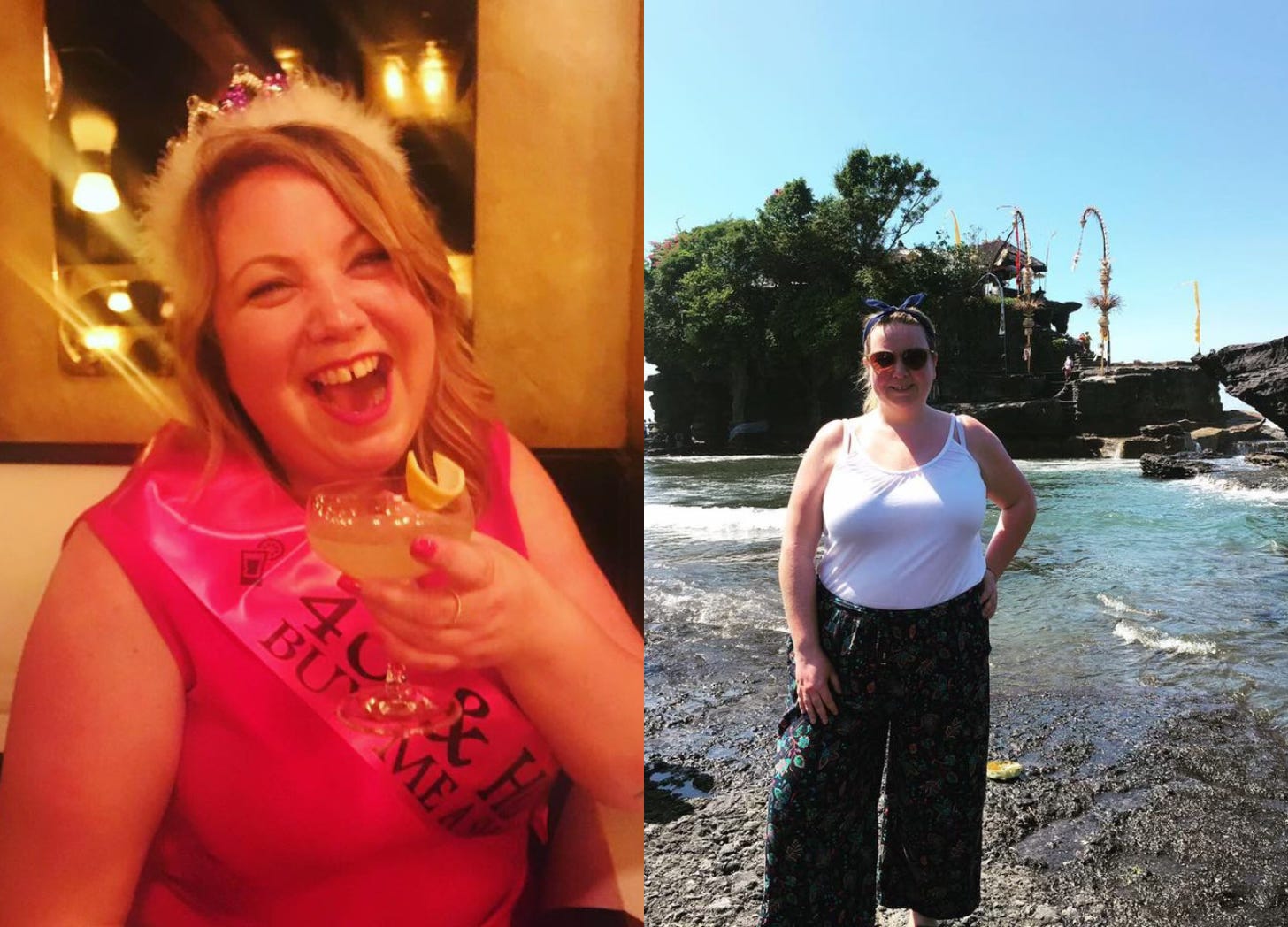
What followed wasn’t just the absence of periods, but a cascade of feelings I didn’t have language for. I felt low. Overwhelmingly tired. I could oversleep for hours and still be exhausted. I’d wake up hot and sweaty for the first time in my life.
It felt dramatic. I was only 40. Still hopeful that having kids was on the cards. And when you’re used to being “fine”, you learn to doubt your own instincts.
Start the conversation with your doctor early
I wish I’d gone to the doctors when I started showing symptoms of perimenopause but 10 years ago, menopause wasn’t talked about as much, and certainly not in my friend group of 30/40 somethings. I did eventually go to the GP. My hormone blood tests came back “normal” according to the phone call I got about the results. But I’d now missed two periods. The explanation offered was stress. Meanwhile, I felt like I was experiencing a year’s worth of PMT all at once, crying constantly, overwhelmed. I’d lost the version of myself I recognised.
But I kept going. Because that’s what women do.
Another text to a friend on 2 October: All blood tests came back normal. Missed 2 periods. So stress? And feel like I have a year’s PMT flooding... crying a lot! I mean 🙄 I think just overwhelmed and I’m so used to being ‘fine’.
Advocate for yourself
Going back to the doctors, I saw a male GP and he told me something very different: the earlier blood tests hadn’t been normal. My hormone levels were described as those of “a pre-pubescent girl or a woman over 60”. He certainly had a great bedside manner in breaking the news.
That sentence changed everything.
When I finally saw a senior gynaecologist in mid-November, she suspected reduced ovarian reserve. Another blood test was needed, but only during a period. That period didn’t come. HRT was mentioned as a future possibility, but nothing happened. I learned that hormone tests can only take place on days 2 and 3 of your period. So if it starts on a Friday and clinics are shut over the weekend, you have to wait until your next one. Which can be months away.
Related articles


And so began the pattern that would define the next four years: missing periods, inconclusive blood tests - sometimes showing ‘normal’ hormone levels - scans showing “possible cysts”, and reassurance that everything was normal, despite my lived experience telling me otherwise.
Research, research, research
Over the next few years, my periods appeared sporadically, each one raising hope that maybe this wasn’t menopause after all. But the symptoms persisted. And the support from doctors was lacking. By 2020, I was still missing periods for months on end and waiting for a “menopause catch-up” appointment at hospital.
A text to a friend: Hospital tomorrow for menopause catch up. Missing periods again & other symptoms 🙄
Then came COVID.
By this point, I had gone nearly 11 months without a period, a clear sign I was about to be postmenopausal according to all the research I was trying to do. Lockdown slowed any chance of pushing for a diagnosis. My last period was in April 2020 when I was 42 and then nothing. I moved house in December 2021. New area. New consultant. New chance to finally be heard.
Don’t give up
In 2022, after more scans and blood work, menopause was finally confirmed, four years after my first missed period. I was told plainly that I was in early menopause, when you stop having periods before the age of 45. I had no idea 10% of women go through early menopause, around 1 in 10!
Relief came first. Validation. I wasn’t going mad. My body had been changing, earlier than most women, all along. And it wasn’t my fault.
I texted a friend: Finally told I am in early menopause & offered HRT. Only took 4 years. Am going to discuss with GP. But need to shake up my health now 💪
Then came frustration. Why did it take four years? How much confusion, self-doubt - and money spent on therapy! - could have been avoided if someone had clearly told me I was in perimenopause and offered me HRT?
Life after early menopause
Early menopause isn’t just about periods stopping. It’s about low mood, weight gain, lack of energy, a drought of sleep, loss of identity, and feeling unheard in a system that too often relies on snapshots of “normal” blood results rather than the full picture of a woman’s life.
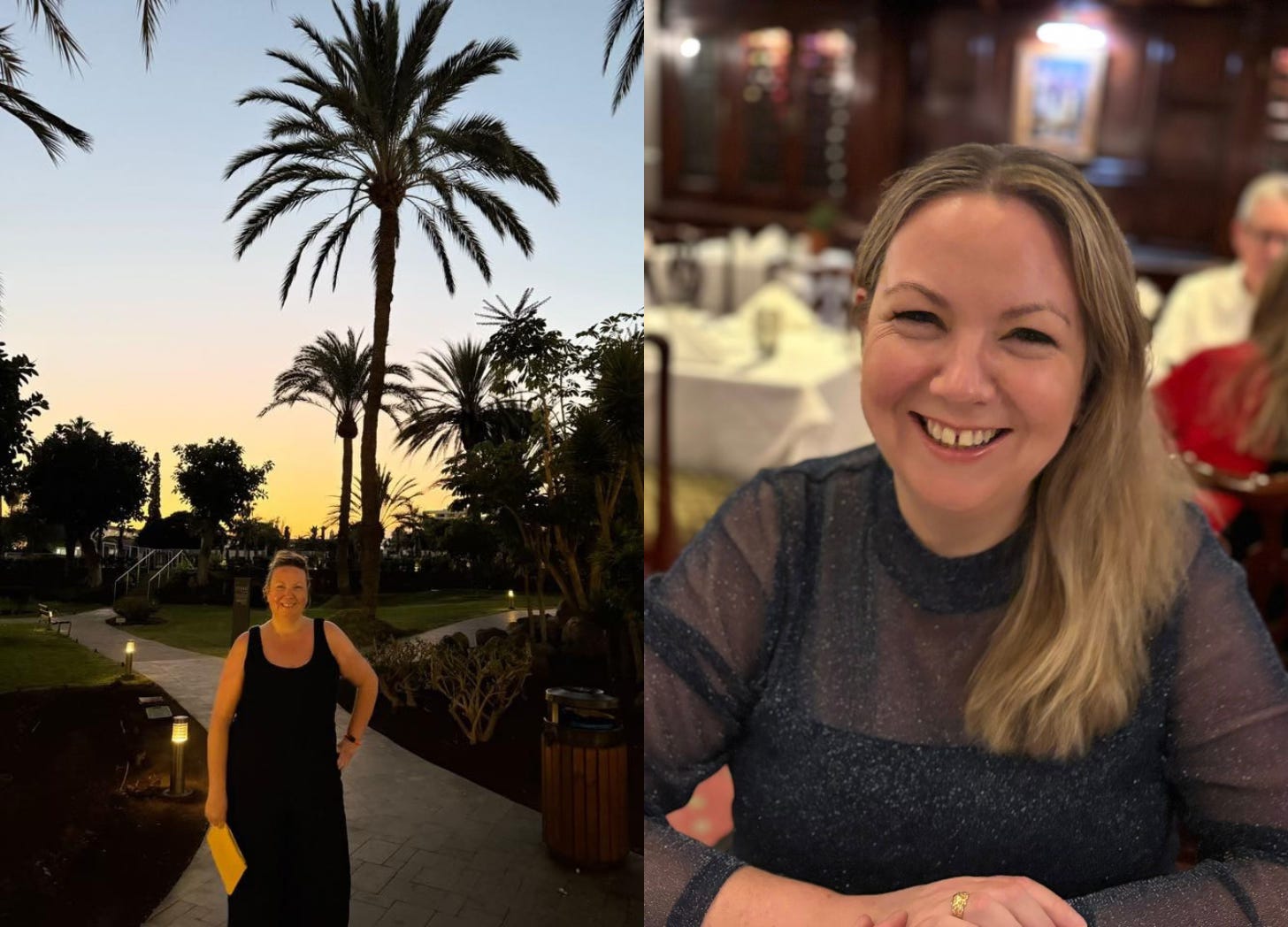
Four years on - and finally on HRT - the brain fog persists. But I’m grateful for my body and take care of it now. More sleep (pillow spray and brown noise help), cutting back on alcohol, losing weight and taking supplements all contribute to better health postmenopause. Knowing you can buy a HRT prescription prepayment certificate (HRT PPC) - £19.80 for 12 months - which keeps the cost of HRT down was information that immediately went into my Whatsapp groups as my friends are beginning to catch up with me on their menopause journeys.
My advice to anyone who suspects they are in perimenopause, whether in your thirties like I was, forties or fifties, is simple: trust your instincts about your own body, advocate for yourself, read up on the menopause (The Female Lead has many informative articles) and talk about it without embarrassment. We owe it to future generations of women to empower them with knowledge, dispel the myths and make menopause easier to navigate.

I had a very similar experience except it took them 10 years (and hundreds of false routes) to get to a conclusion that I’d gone through early menopause. Even after stopping menstruating, they were still suggesting stress and I had to push for the blood tests and forcefully request HRT and specialist advice. Like you I knew there was something wrong, but felt like I was going mad. HRT was a game changer for me, sounds like it was for you too. Chuckled when you mentioned their bedside manner - one consultant casually mentioned I was in “ovarian failure” 😳 The one thing I wish I’d known is to write down all the symptoms and give them the full list. We’re taught to focus on just one complaint per visit, but the menopause comes with an entire litany of issues which on their own can send you down dead ends for diagnosis. The minute I wrote it all down, the conversation changed.
Information was so scarce until recently. Women are stepping up in so many ways.
We wrote about it here: https://bodylogic101.substack.com/p/like-water-for-flowers
It’s never too late to improve your health and quality of life, ladies.