


The minutes after a cardiac arrest - when the heart stops suddenly causing the immediate loss of consciousness, collapse, and breathing - are crucial to save a life. But women are less likely to get the treatment they need because bystanders are hesitant to perform CPR on a woman’s chest, or remove her bra to use a defibrillator.
Research from Thames Valley Air Ambulance in the UK reveals one in three women who suffer a cardiac arrest receive no CPR before emergency crews arrive.
And according to St John Ambulance research, a third of adults in the UK are afraid to give CPR to a woman because they’re worried about touching her breasts. Thirty three per cent of men said they were concerned they would be accused of inappropriate touching when giving chest compressions to a woman, compared to 13% of women.
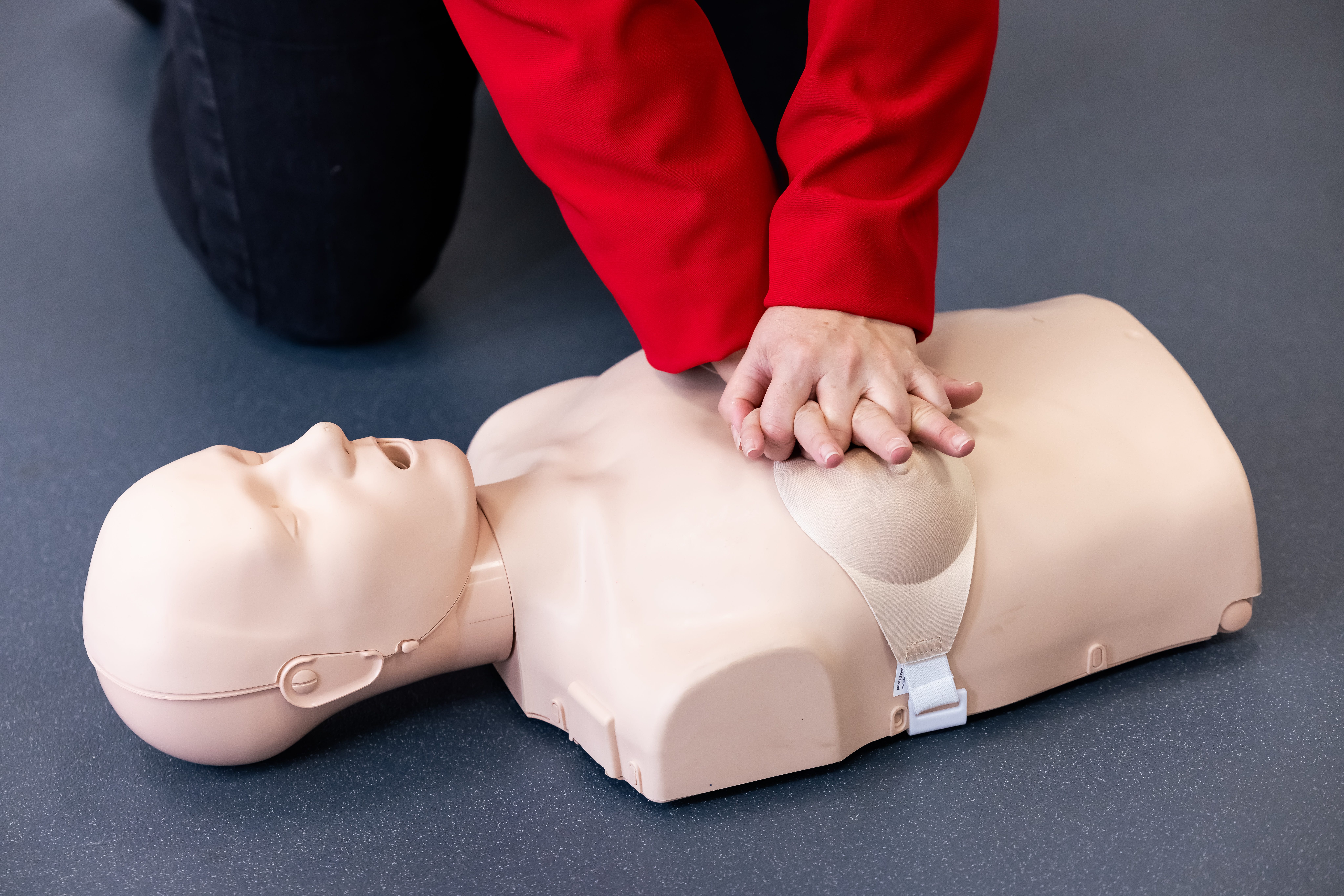
CPR training has historically only taken place on male manikins, leading to a lack of knowledge and experience of performing life saving chest compressions on women. Now, female CPR manikins are being used by charities such as Thames Valley Air Ambulance to help break the stigma and educate members of the public on how to help save women’s lives while waiting for medics to arrive.
Women are more likely to die from a cardiac arrest because their bra is not removed when a defibrillator is used to give an electric shock to the heart, which can help restore the heart's rhythm and get it beating normally again. When a defibrillator is applied within the first three minutes of cardiac arrest it can increase the chances of someone surviving a cardiac arrest by up to 70%.
Understandably, members of the public assisting someone in cardiac arrest are hesitant to remove a woman’s bra but this crucial act could save her life. Resuscitation charity Bra Off Defib On has highlighted the best way to remove a bra - cutting down the side of the fabric instead of the middle, where a wire often is - to make sure skin is exposed for defibrillation which will only work on bare skin.
To close the gender CPR gap, Thames Valley Air Ambulance is being supported by the charity’s royal patron, The Duchess of Edinburgh who got involved with a CPR session recently.
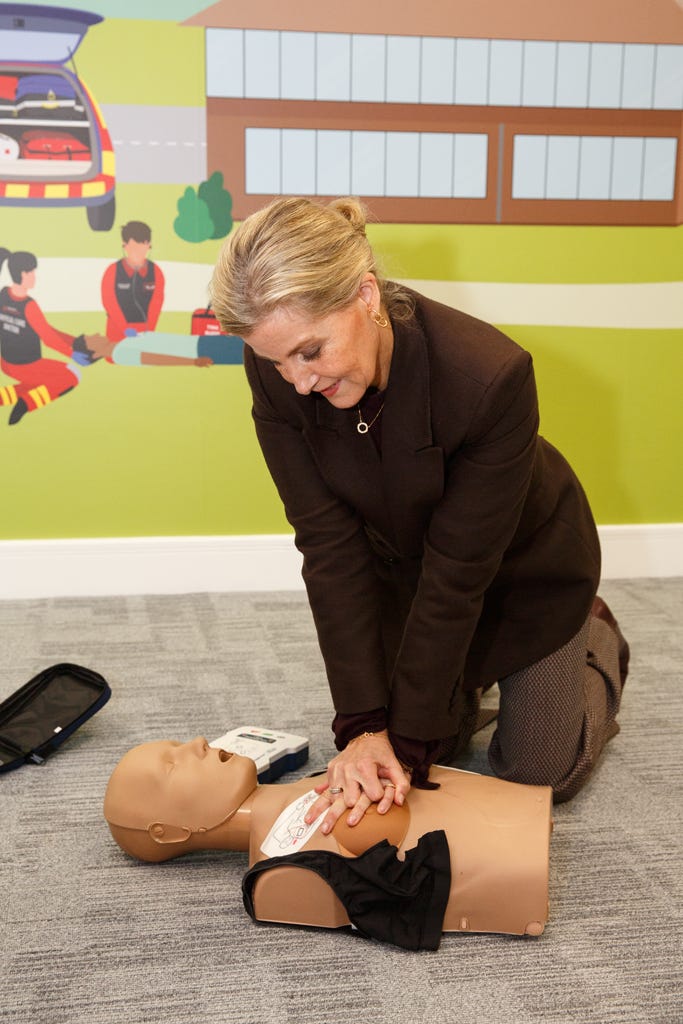
Thames Valley Air Ambulance Chief Executive Amanda McLean says: “Early CPR gives us the best possible chance of saving a life. But we know confidence rates to step in and perform CPR are low and, sadly, they appear to be even lower for women in cardiac arrest. Notions of modesty should never get in the way of saving a life. That’s why we include manikins with breasts in our CPR awareness sessions, and we show people how to cut through a bra before applying defibrillator pads.”
You can watch a video on giving CPR presented by Thames Valley Air Ambulance critical care paramedic Tracey here.
How to give CPR
For an unresponsive adult not breathing, call emergency services immediately and perform CPR - place the heel of one hand in the center of the chest (between the nipples) and the other hand on top, interlocking fingers. Kneeling, keep arms straight and use your body weight to press down 5–6cm at a rate of 100–120 beats per minute. These songs all match this rhythm so help you give lifesaving treatment while waiting for emergency services to arrive:
Shake It Off – Taylor Swift
Stayin’ Alive – Bee Gees
Espresso – Sabrina Carpenter
Girls Just Want to Have Fun – Cyndi Lauper
Flowers – Miley Cyrus
Dancing Queen – ABBA
I Will Survive – Gloria Gaynor

https://busybush.substack.com/p/laid-bare?r=6dxfov&utm_medium=ios