
The Gender Pain Gap - more than 50% of women say their pain is ignored by doctors
New research shows the reality of medical misogyny in 2026

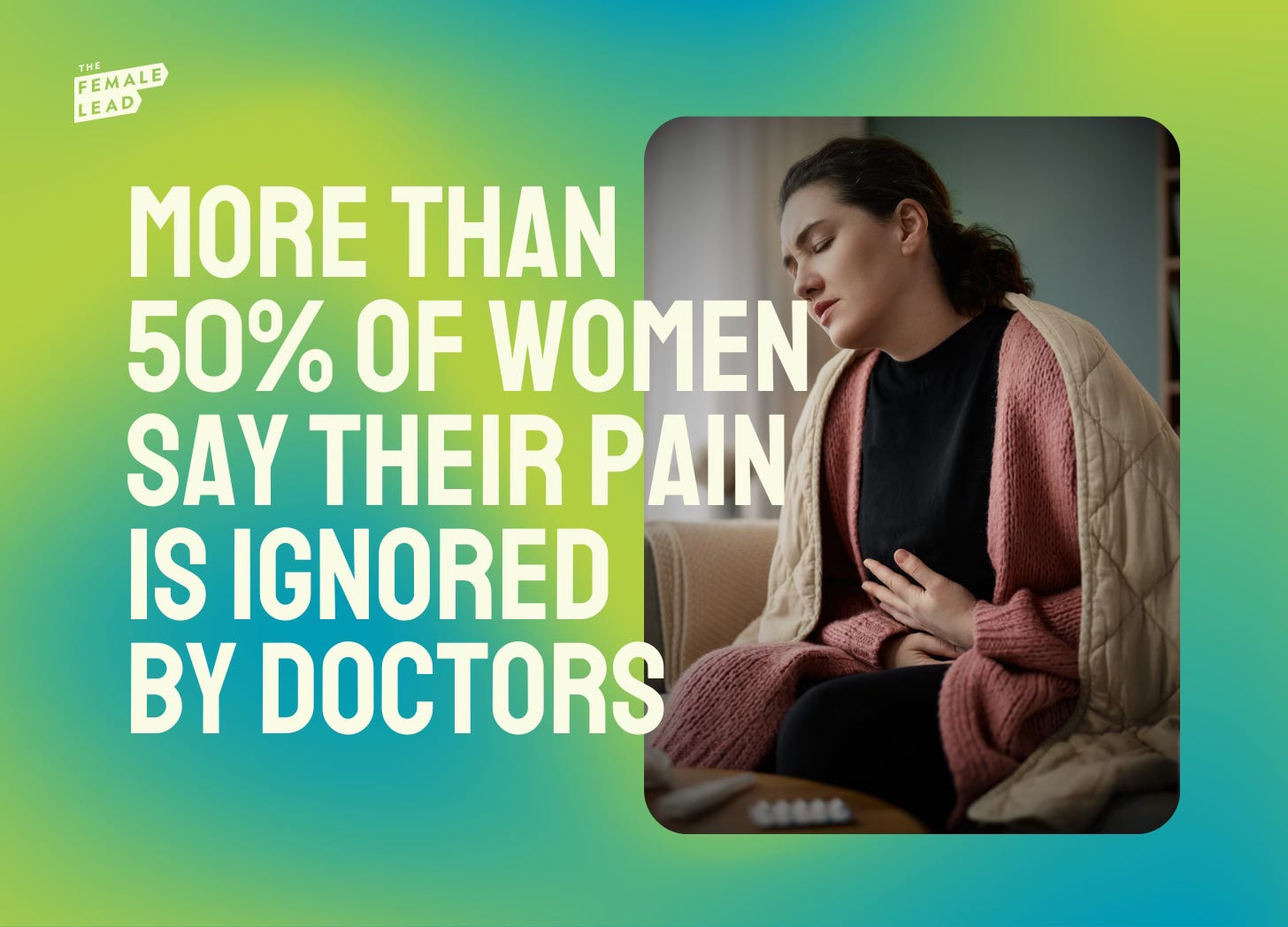
New research shows women in the UK are turning to AI to help diagnose medical issues because their pain is being dismissed by doctors.
Nurofen’s fourth annual Gender Pain Gap Index reveals the scale of pain dismissal experienced by women across the UK and the devastating impact it has on their lives and their lack of trust in the healthcare system. When dismissed by doctors, women are turning to AI to seek out answers, risking their health and misdiagnoses.
The findings of the Gender Pain Gap Index show that:
More than half (53%) of women feel their pain is ignored or dismissed - rising to 73% among 18–24-year-olds, compared to 40% of those over 55
74% of Black women and 65% of Asian women report being dismissed, compared to 51% of White women
94% of women who experienced dismissal say it had a negative impact on them
Nearly half (46%) reported becoming reluctant to seek help again; more than a third (35%) said their trust in the medical system had been impacted, with 13% giving up seeking help entirely
With so many women not finding the support they need from doctors, sadly 3 in 4 (74%) have used unverified sources for answers, with 1 in 5 (21%) using AI tools like ChatGPT. This puts women’s health in danger with misinformation and unreliable sources.
Women are suffering because of medical misogyny and it’s time for the gender pain gap to be closed for good. One in six women experience severe pain every day, and are in more pain, more often than men according to the new research published. And one in two women believe their pain is ignored or dismissed because of their gender.
The new report states nearly three in five (57%) women say they felt dismissed by their GP (57%), with 67% of women feeling that they were dismissed by healthcare professionals (GPs, specialist consultants, and pharmacists) compared to 53% of men.
Penny East, CEO of the Fawcett Society, said: “The Gender Pain Gap is a long-standing equality issue affecting women and girls. When more than half of British women continue to feel their pain is dismissed and millions are resorting to unverified sources for health advice, we’re seeing a systemic problem at play. Having our pain minimised affects our wellbeing, our worth and our health outcomes.”
The UK government’s Women and Equalities Committee (WEC) warned women’s health is not being sufficiently prioritised in the Government’s system-wide NHS reforms, in March this year.
Related Articles


Chair of the Women and Equalities Committee and Labour MP Sarah Owen said: “Our inquiry has shown that too many girls and young women are still being let down by a system that fails them at every stage, from the lack of access to a school nurse to dismissal in primary care, and they continue to face unnecessarily painful procedures in diagnosis of relatively common conditions. The Government’s response to the Committee’s 2024 ‘medical misogyny’ report was deeply disappointing, and as our new report sets out, the Committee is not convinced that the menstrual and gynaecological needs of young women and girls has been sufficiently prioritised in wider reforms to the healthcare system.”
In April 2026, former Health Minister Wes Streeting vowed to stop women being “gaslit” by doctors as he relaunched the women’s health strategy for England, saying, “[Women] have for so long been let down by a healthcare system that too often gaslights women, treating their pain as an inconvenience and their symptoms as an overreaction.”
“It’s clear the system is failing women. Women’s voices must be central to delivering effective, respectful and empathetic care. We need to hit medical misogyny where it hurts – the wallet. Today’s renewed strategy will tackle the issues women face every day and ensure no woman is left fighting to be heard.”
Penny East, CEO of the Fawcett Society, said: “The government’s renewed Women’s Health Strategy is a welcome step, but policy must be met with action and wider societal change: we need everyone from the NHS to brands to employers to confront this issue and make improvements in the way women are supported. Nurofen’s Pain Pass is an example of a tool that provides women with practical support to communicate their pain. We need much more innovation and education throughout the health system; women are living with the daily consequences of not being heard.”

Medical care is lined with misogyny and it’s so sad. The fact women are less likely to receive CPR (because oh my god what do we do with boobs) AND their pain leaves them more open to further complications (hello ignoring female chest pain while they develop MIs). Ridiculous.
A really informative read and I thoroughly enjoyed. Thanks for writing!
so true and I believe it is also true in New Zealand for sure!!