
💪 Six good news stories you don't want to miss
We’re cutting through the noise to remind you of the brilliant, barrier-breaking things women have been doing - and to give your newsfeed a much-needed shift in mood.

In the UK, April kicked off with the clocks changing and the evenings finally stretching out. We’re now heading into those long, forgiving months where the sun lingers until 9pm, as if it’s in no rush to leave.
The news cycle? Still fairly bleak. Longer days can’t fix everything - but they do help. And alongside all of that, women - as always - have been getting on with doing remarkable things across space, sport, environmental activism, art, healthcare and human rights.
Consider it our job to make sure you hear about the very best good news stories from the past month.
One giant leap for women
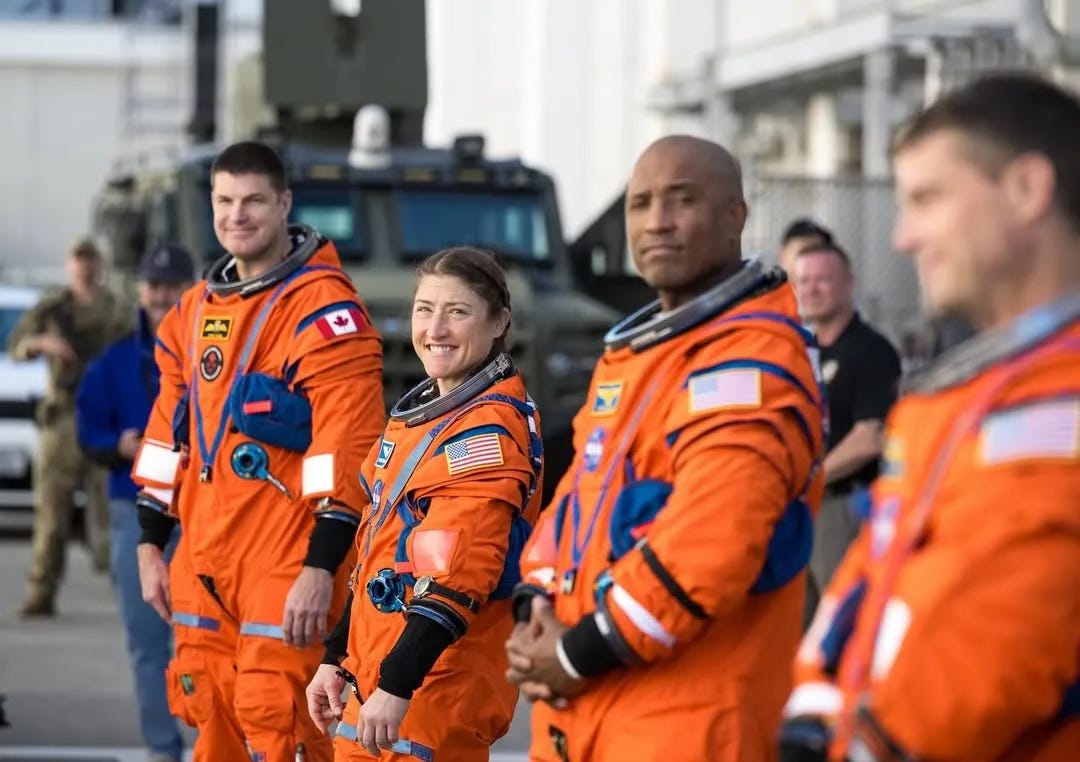
On 1 April, Christina Koch quite literally reached new heights. As a mission specialist on Artemis II, she became the first woman to fly around the moon, joining a four-person crew on a 10-day journey from Florida’s Kennedy Space Center. It marks the first time in over 50 years that humans have returned to the moon’s orbit.
Koch, an engineer and physicist, already holds the record for the longest continuous spaceflight by a woman, and previously took part in the first all-female spacewalks. In a field where nearly 90% of astronauts have historically been men, her presence is reshaping what leadership in STEM looks like. As she put it: an “incredible privilege and responsibility”.
You can read more about the women involved in the mission here.
A clean sweep for women saving the planet
For the first time ever, all of the Goldman Environmental Prize (often dubbed the “Green Nobel”) winners were women.
Iroro Tanshi (Nigeria) – Protected endangered bats and their habitat in Afi Mountain by leading community efforts to prevent destructive wildfires.
Borim Kim (South Korea) – Led the first successful youth climate court case in Asia, forcing the government to strengthen its emissions targets.
Sarah Finch (UK) – Won a landmark Supreme Court case requiring the climate impact of fossil fuels to be considered in planning decisions.
Theonila Roka Matbob (Papua New Guinea) – Pressured mining giant Rio Tinto to take responsibility for environmental damage caused by the Panguna mine.
Alannah Acaq Hurley (United States) – Helped stop a major open-pit mining project in Alaska, protecting land and ecosystems.
Yuvelis Morales Blanco (Colombia) – Mobilised her community to successfully halt fracking projects along the Magdalena River.
The six winners, representing regions from all over the world, were recognised for grassroots environmental work that ranges from land protection to fighting industrial pollution. Each receives $200,000, but most importantly, global visibility.
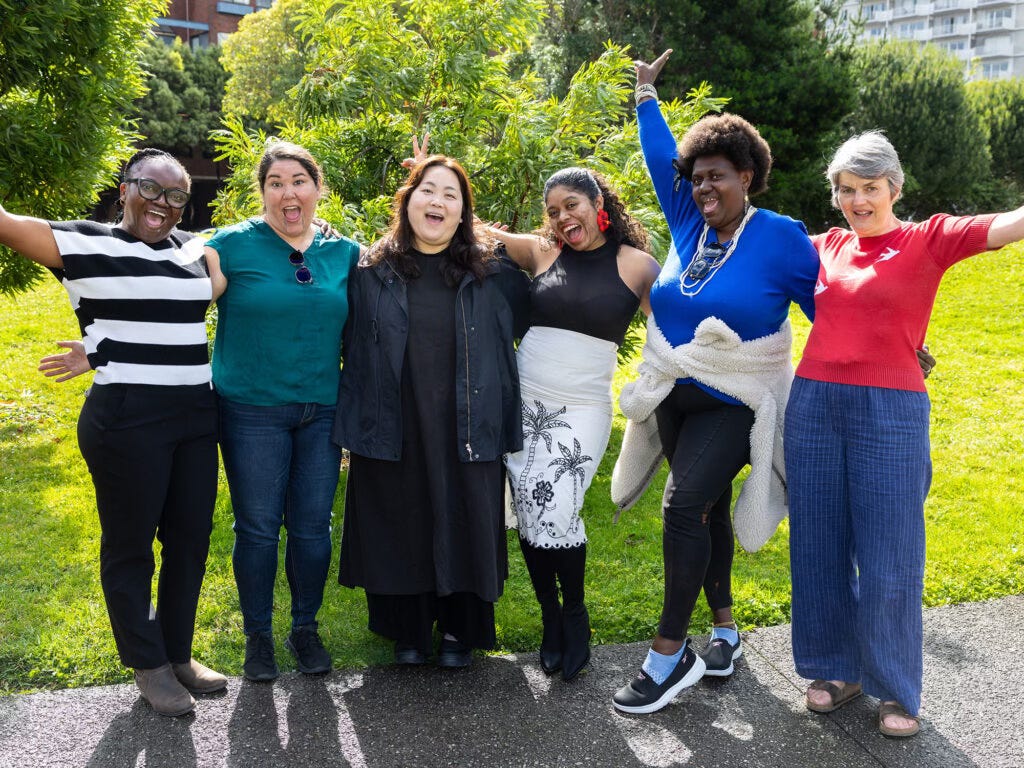
Since its founding, the prize has honoured 233 defenders across 98 countries.
Abortion decriminalised
In England and Wales, a significant legal shift took place. The Crime and Policing Bill 2026 received Royal Assent on 29 April, meaning women will no longer face criminal prosecution for ending their own pregnancies.
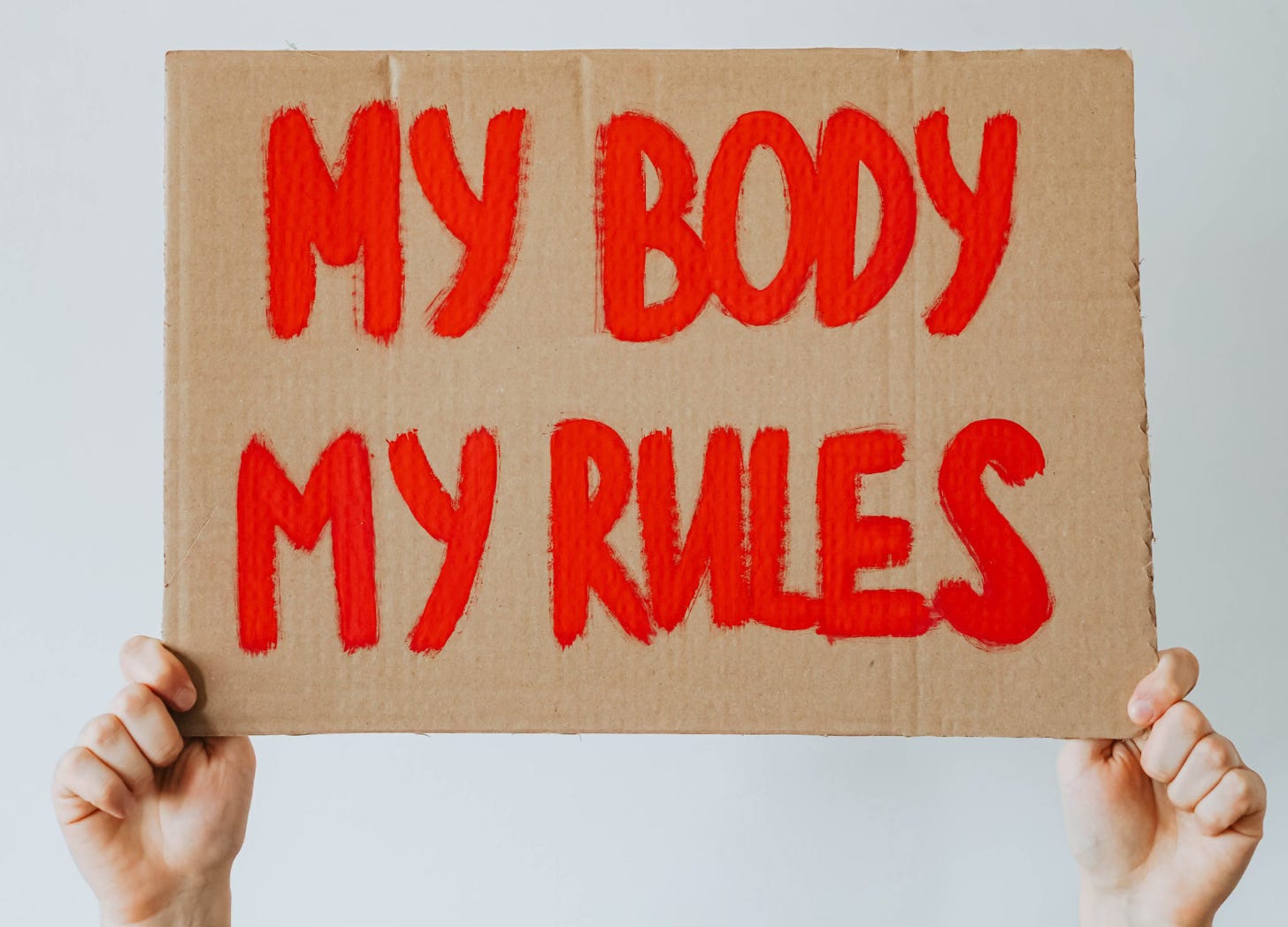
This doesn’t change when or how abortions are legally available. What it does do is remove women from a criminal framework that, until now, meant potential investigation, charges, and even life imprisonment under the Offences Against the Person Act 1861.
It sends women in the UK a clear message that abortion is healthcare, not a crime.
Afghan Women United can return to competition
In football, FIFA made a quietly radical move. Afghan women’s refugee players - many of whom fled after the Taliban regained power in 2021 - have been officially recognised as a national team, without needing approval from the Taliban.
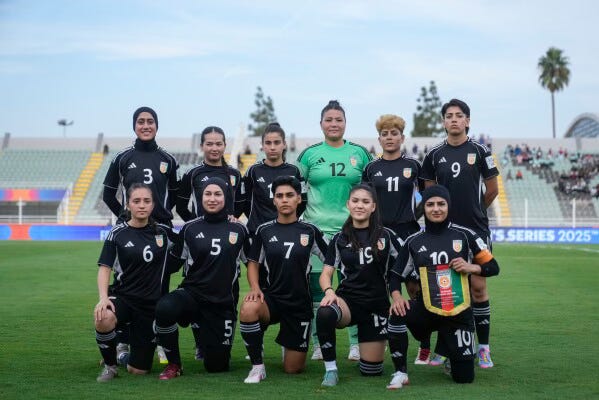
The team, known as Afghan Women United, is made up of players now living across Australia, Europe and the Middle East. It’s part of a wider FIFA strategy to support Afghan women in sport, including advocacy and access to play.
Given that the original national team was effectively erased, this is more than administrative - it’s a way of restoring identity, visibility and the right to compete.
Women’s rugby won’t slow down
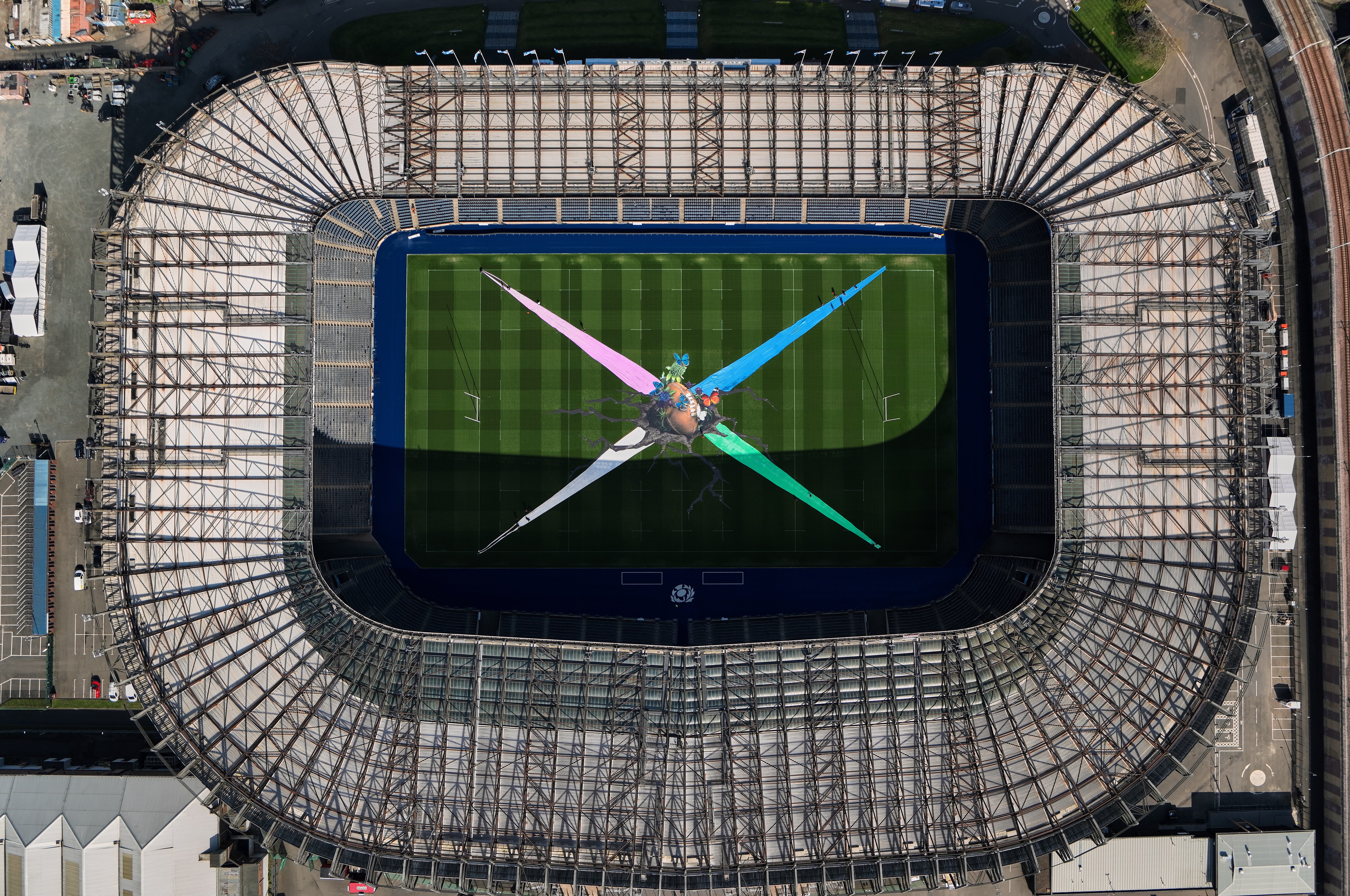
Women’s rugby is officially the fastest-growing team sport in the world. Around 2.7 million women and girls now play globally, up from just 200,000 in the early 2000s, with a surge in new fans helping to reshape a younger, more balanced audience.
In Scotland, that rise was marked in a very literal way. Claire Luxton unveiled Now We Arrive, a 2,228 square metre artwork spanning the pitch at Scottish Gas Murrayfield Stadium, during a Women’s Six Nations match that drew a record-breaking crowd of over 30,000 - the largest ever for a women’s sporting event in Scotland.
Commissioned by Skyscanner for Scottish Rugby, and supported by UN Women, the piece takes its name from the Scottish Gaelic Ruighinn, meaning “arrival” - which, at this point, feels about right.
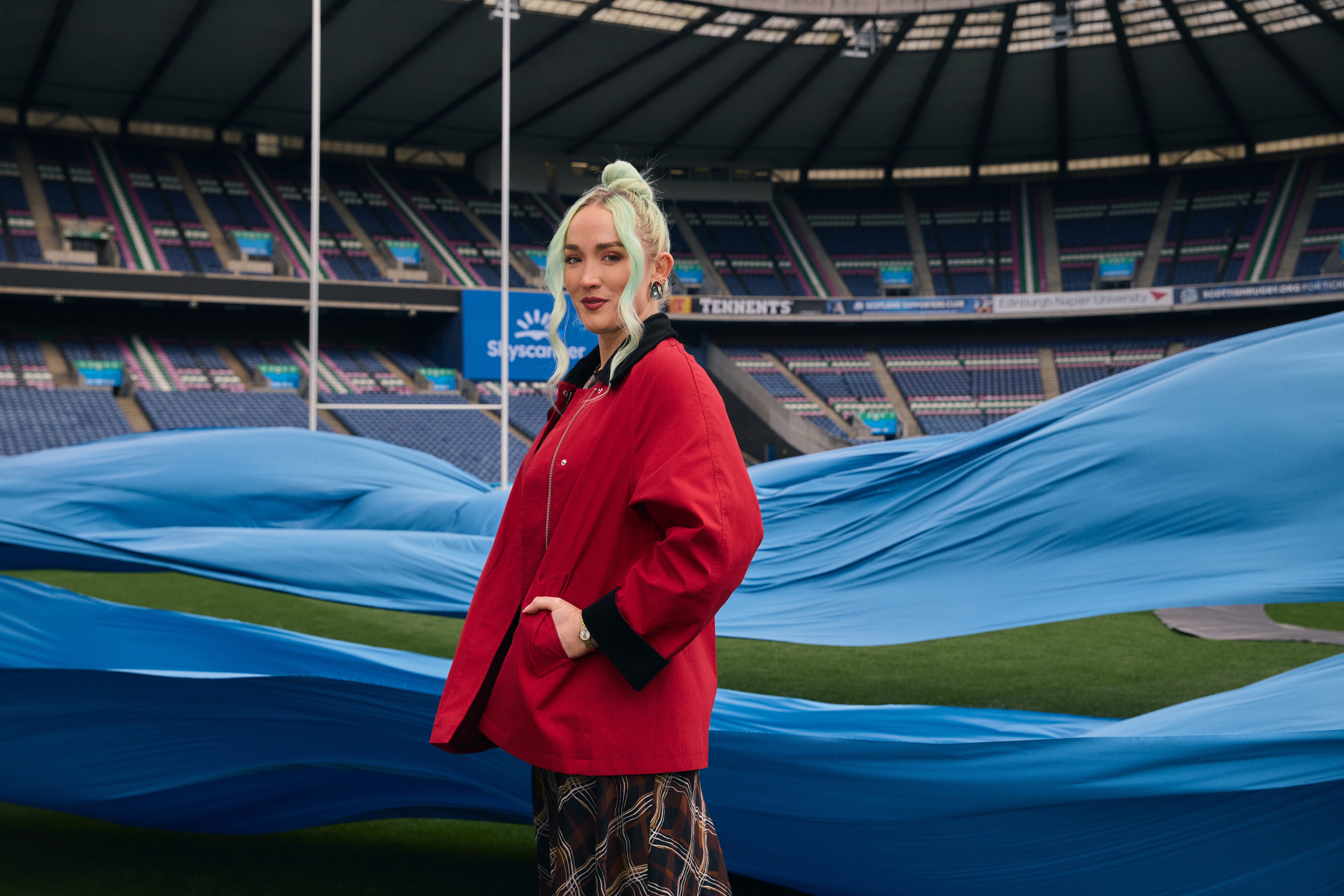
Watch the video on Claire’s Instagram
Better information, safer pregnancies
Tommy’s, the pregnancy and baby charity, has launched the Pregnancy Health Information Questionnaire, aiming to understand how clearly and effectively pregnancy advice is actually reaching people.
Because knowing your body is one thing - having the right information at the right time is another. The survey looks at how women access and understand health guidance, where gaps exist, and how communication can improve.
It’s open to anyone currently pregnant or who has been in the last three years, including those who’ve experienced baby loss. Tommy’s goal is to ensure that important health information is not only evidence based, but also clear, consistent and available at the right moment.
If you needed a reminder that good things are still happening - and that women are behind so many of them - consider this it. Share this with your friends, your group chats, your mum. Everyone could do with a bit more good news.
And if you’ve got stories of your own - from your community, your industry, or anywhere in the world - send them our way. We might include them in next month’s round-up. Because while news headlines tend to amplify the worst, we’re just as committed to documenting the better.

I needed some good news this week! The past few weeks have been bleak! Here's just one example: https://theequitablehome.substack.com/p/wife-school-a-six-week-course-in?utm_source=share&utm_medium=android&r=5zf76s
India's first school for the daughters of sex workers, run by the daughters of sex workers: https://www.hindustantimes.com/opinion/not-rescue-but-revolution-inside-kranti-s-radical-classroom-101776627418551.html