

It was once one small step for man, but in 2026 it’s one giant leap for women.
Christina Koch made history this week as mission specialist on NASA’s Artemis II mission as she took off with her fellow astronauts to become the first woman to fly around the moon.
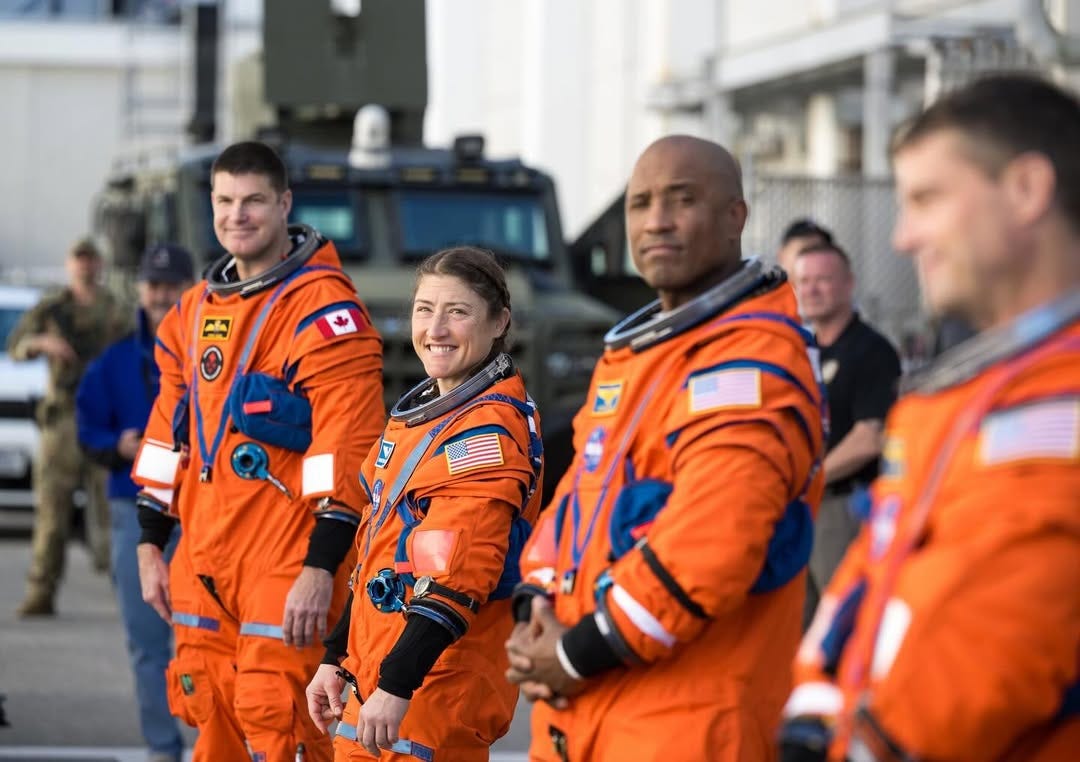
The astronauts – three Americans and one Canadian – took off from the Kennedy Space Center in Florida on 1 April on the 10-day voyage, the first time in half a century that humans returned to the vicinity of the moon.
Christina, 47, an engineer and physicist who became an astronaut in 2013, spent 328 days aboard the International Space Station back in 2019, a record for the longest continuous spaceflight by a woman. She was also part of NASA’s first three all-female spacewalks alongside Jessica Meir.
Historically, nearly 90% of astronauts have been men so Christina’s role as a leader in STEM is crucial for inspiring young women and girls. “It feels like an incredible privilege and responsibility,” Christina has said of being part of the Artemis II crew. “We are at a time when everyone who has a dream gets to work equally hard to achieve it.”
On the Artemis II mission, Christina has taken handwritten notes from people close to her for her personal item, a “tactile connection” to loved ones back on Earth.
Surprisingly, the mental load doesn’t seem lighter even when there’s zero gravity. In an interview before takeoff, Christina told reporters that her husband Bob would have to fend for himself at home and not be able to call to find out where lost items are.
“He’s not going to be able to ring me and ask where something is in the house,” she laughed. “He’s going to have to find it.”
In ancient Greek mythology, Artemis is the twin sister of Apollo, who was the namesake of the last Nasa missions that went to the moon. Artemis is the goddess of the hunt, the wild, and - mostly importantly - the moon itself.
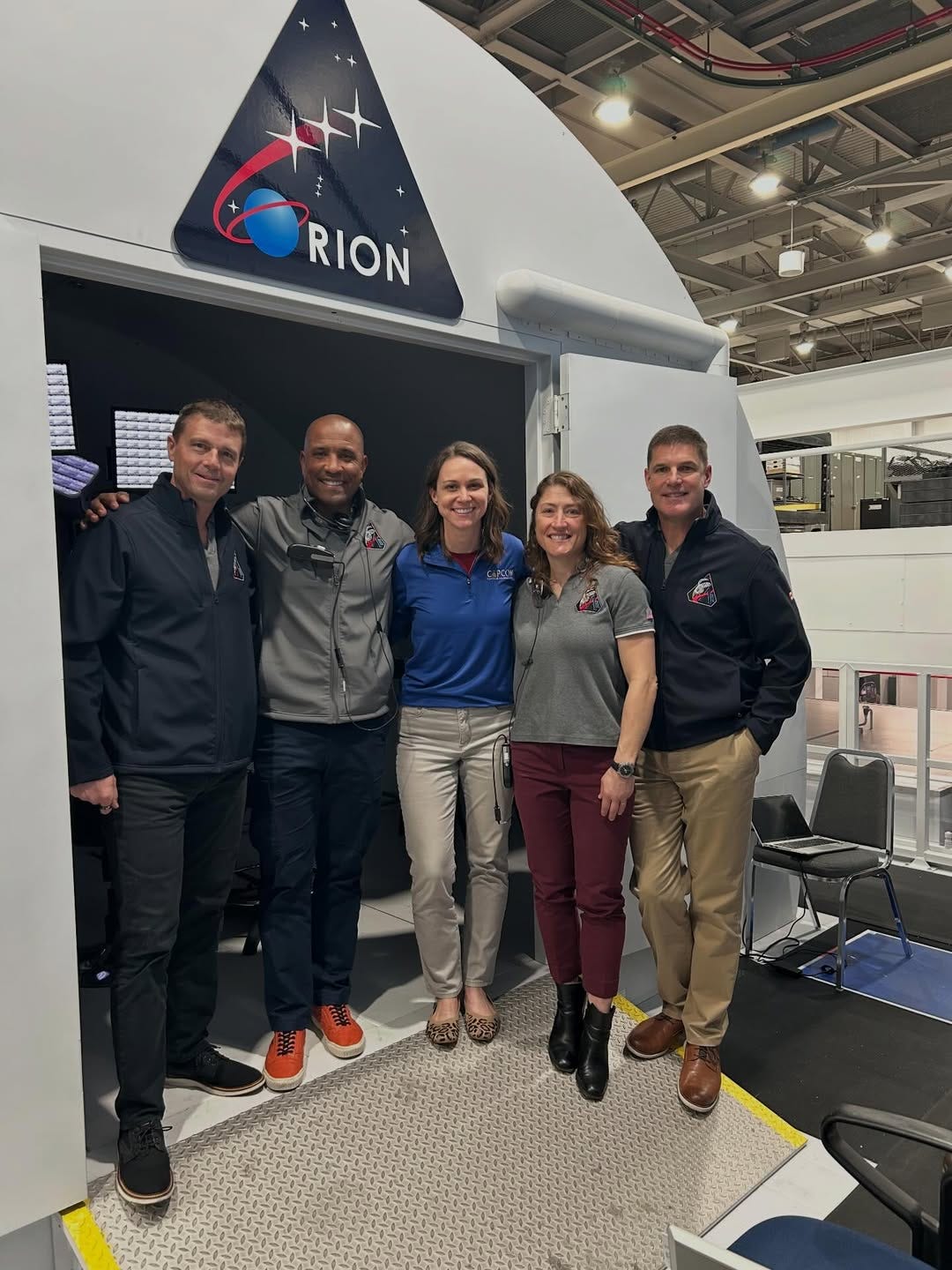
And Christina isn’t the only woman shaping the future of space exploration:
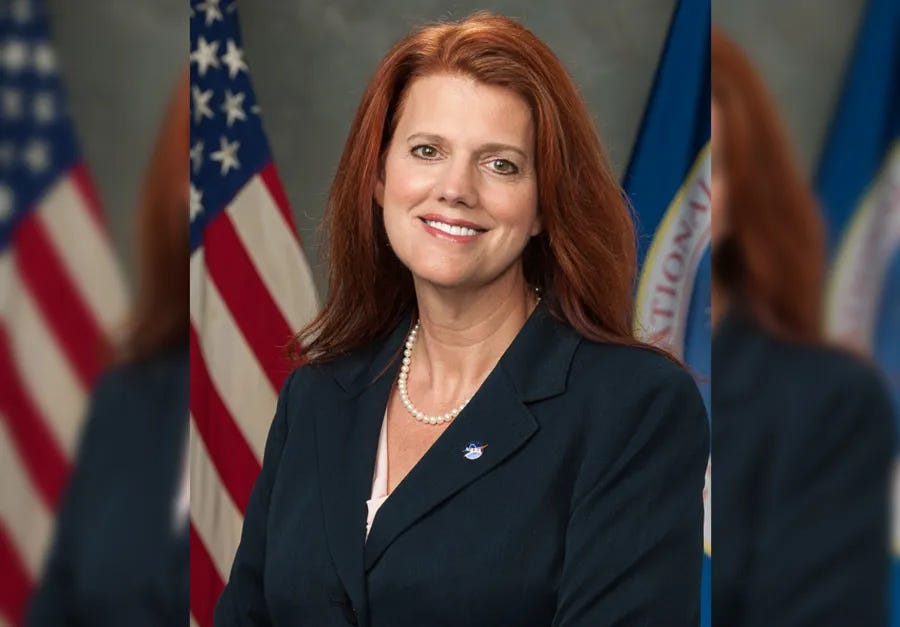
Charlie Blackwell-Thompson made history as NASA’s first-ever female launch director, leading the 90-strong Exploration Ground Systems Program. She made the final call, delivering the electrifying “GO!” that sent the mission into the sky. Charlie previously commanded the historic first test flight of the Space Launch System (SLS) rocket and Orion spacecraft, Artemis I, guiding the mission all the way to launch.
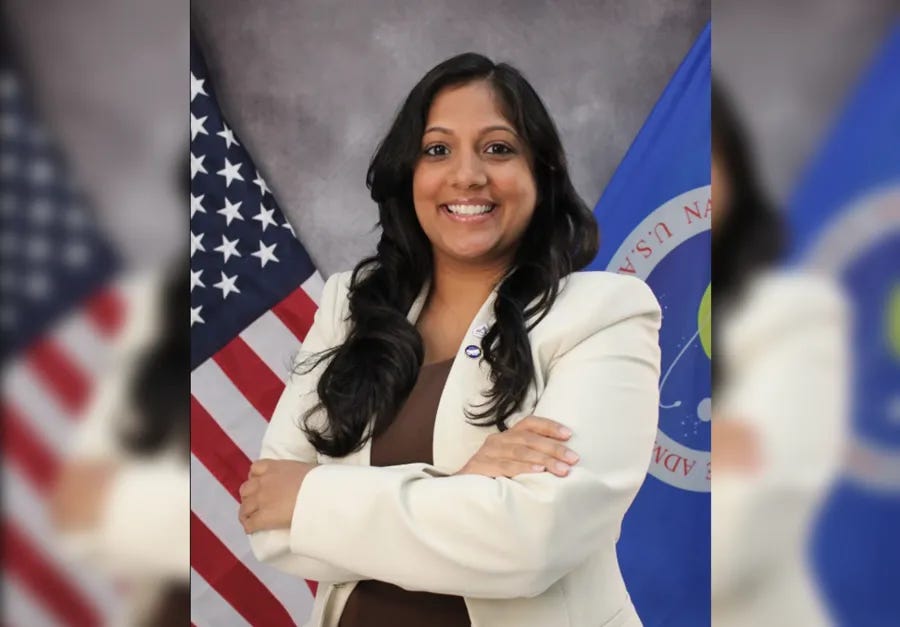
Laura Poliah, Lander Ground Operations Expert, is part of the Lander Ground Operations team at NASA’s Kennedy Space Center and previously served as a lead test engineer for the Orion spacecraft. Her role was to oversee rigorous testing across the crew module, service module, and launch abort system which are vital in keeping the Orion astronauts safe. Laura and her team have been working on testing for Artemis II and Artemis III.
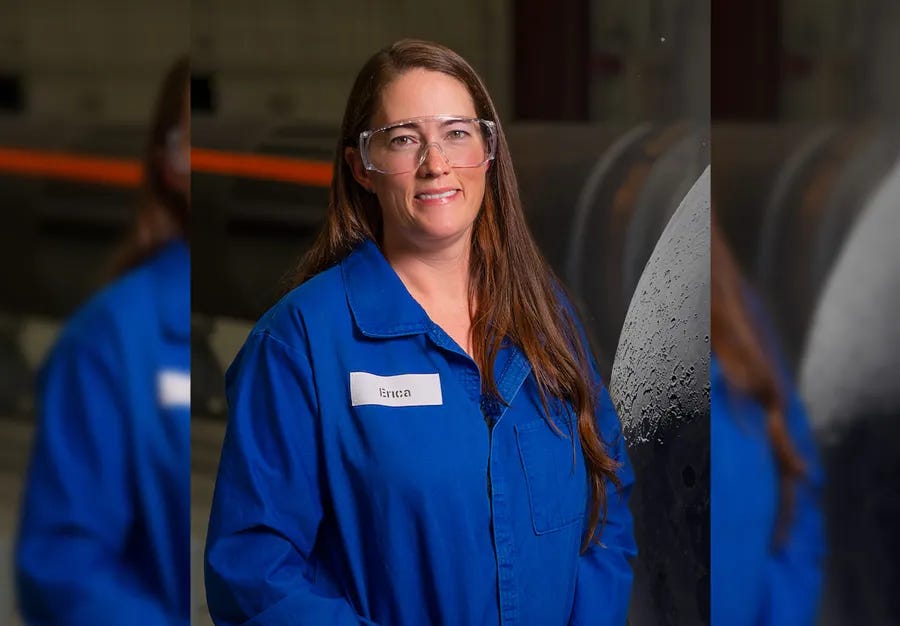
Erica Sandoval is the Program Manager, Abort Motor, Orion Launch Abort System, After completing a degree in mechanical engineering, she worked in rocket motor manufacturing and now leads the team that builds the abort motor for the Orion spacecraft’s launch abort system (LAS). “I had a roundabout path into the space industry, but I love it here,” she said. “I would’ve never imagined that this is where I would end up, but it is an exciting industry and humbling to be a small part of the space industry team.”
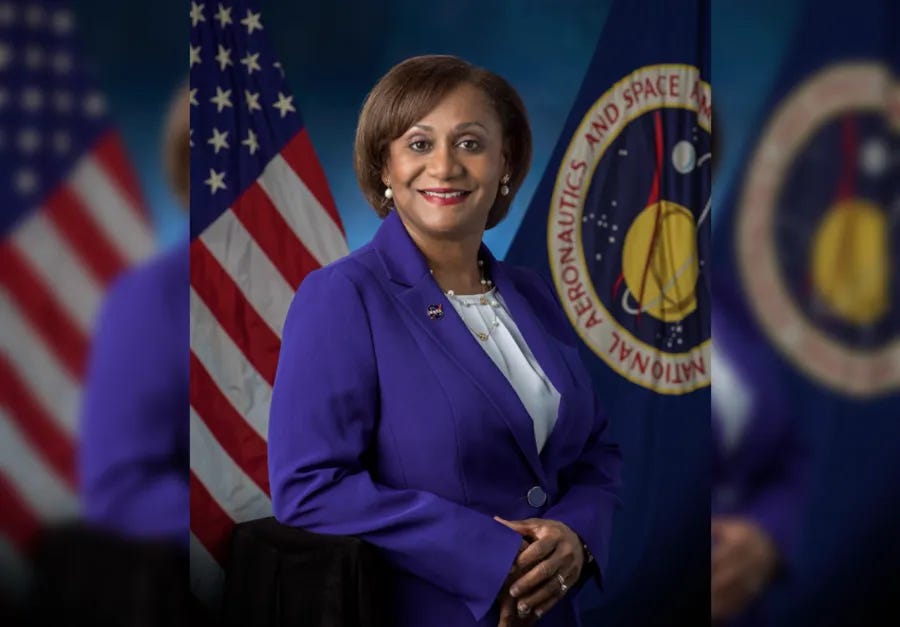
Vanessa Wyche is the director of NASA’s Johnson Space Center, overseeing spacecraft development, astronaut selection and training, and the iconic mission control room. The centre is home to NASA’s astronaut corps and programs such as the International Space Station, Orion, and the Lunar Gateway, with Vanessa guiding missions to the Moon with Artemis, and laying the foundation for future journeys to Mars.

As someone who coaches women to thrive in career, I spend most days dealing with challenges and sharing mindsets and habits for resilience. But today we can celebrate that some women are changing the game as Christina Koch begins her Artemis flight around the moon. It's such a delight to think about the good things! Let's hold on to this momentum for as long as we can.
A short piece I wrote on Christina!