
“My surgical menopause at 34 - I didn’t recognise myself anymore”
Michelle Heaton reveals the devastating impact surgical induced menopause had and how she’s recovered…


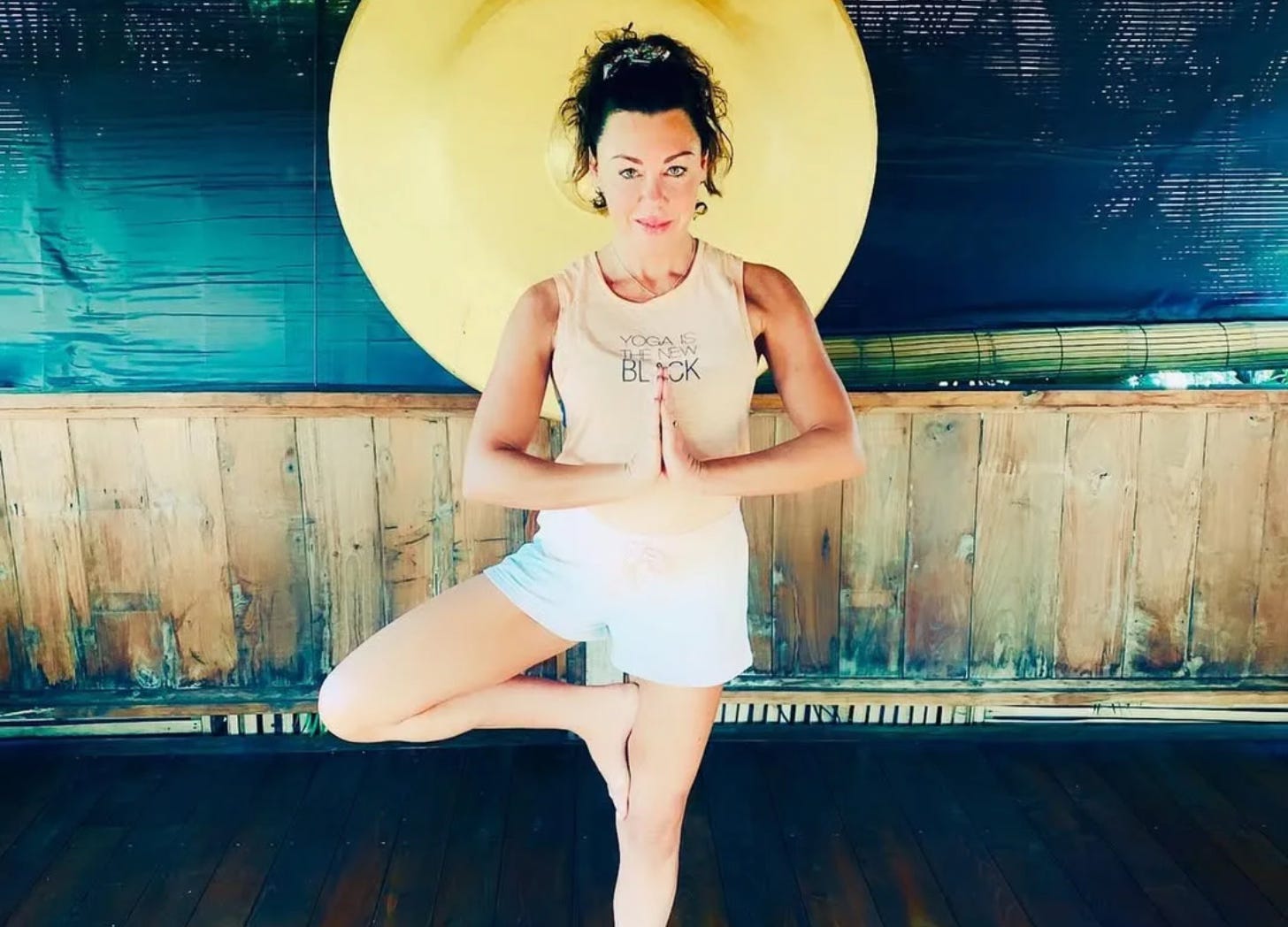
When Michelle Heaton talks about her experience of menopause, there’s no sugar-coating, no euphemisms and no shame. Unlike most women, Michelle’s menopause in her thirties was immediate, surgical, and life-changing. What followed was years of isolation, addiction and eventually recovery. Now Michelle, TV presenter, author and singer in UK band Liberty X, is using her voice to ensure other women don’t feel as alone as she once did.
“I didn’t wake up different, it crept up on me”
Michelle went through menopause in 2015 aged 34 after undergoing a full hysterectomy and oophorectomy due to carrying the BRCA gene, which gave her an 85% chance of getting breast cancer and a 40% chance of getting ovarian cancer. It was just six months after having her youngest child, AJ, and followed a double mastectomy in 2012 to prevent breast cancer.
“I knew that I was going to be in menopause straight after surgery but you don’t know much about it at that age. My main concern was eradicating the chance of having cancer, which both my grandma and her mum had in their 30s. I think people assume you wake up the next day and everything feels different. I didn’t. It crept up on me slowly. That’s the dangerous part,” she tells The Female Lead. “It doesn’t just slap you, it slowly grazes. Then all of a sudden gives you a punch and you’re like, ‘What the hell is happening?’”
Because Michelle was given an oestrogen implant during surgery, the hormonal crash wasn’t instant, but it was profound.
“My body had been used to a full range of hormones, and suddenly it had a fraction of that,” she says. “Even with HRT, I still had every menopause symptom you can imagine. I lost my libido, my confidence, my spark and my will for life. I didn’t recognise myself anymore.”
Michelle, now 46, has been open about her sobriety since going into rehab in 2021 for alcohol addiction, but what’s often missing from the conversation is how her experience of menopause played a role.
“There’s no denying that going through menopause in this way started off my bad relationship with alcohol. It became my escapism. When I drank, I felt like me again, just for a few hours,” she says. “Having every womanly part taken away messes with your head. Even if you’ve had children, losing the choice is huge.”
Michelle explains that her friends weren’t going through menopause yet, which made her feel deeply isolated, “How many times can you say you’re tired, dry, itchy, irritated, and don’t want sex with your husband? I didn’t want to keep bringing it up. Drinking helped me relate to people again.”
Related articles


What she didn’t know at the time was that alcohol can reduce the effectiveness of HRT, leaving her stuck in a vicious cycle, “I was taking hormones and drinking myself stupid, basically cancelling out any benefit.”
Michelle is now nearly five years sober. “If I drank again, I know exactly where I’d end up. It nearly killed me,” she says.
Menopause didn’t just affect Michelle physically, it seriously affected her marriage.
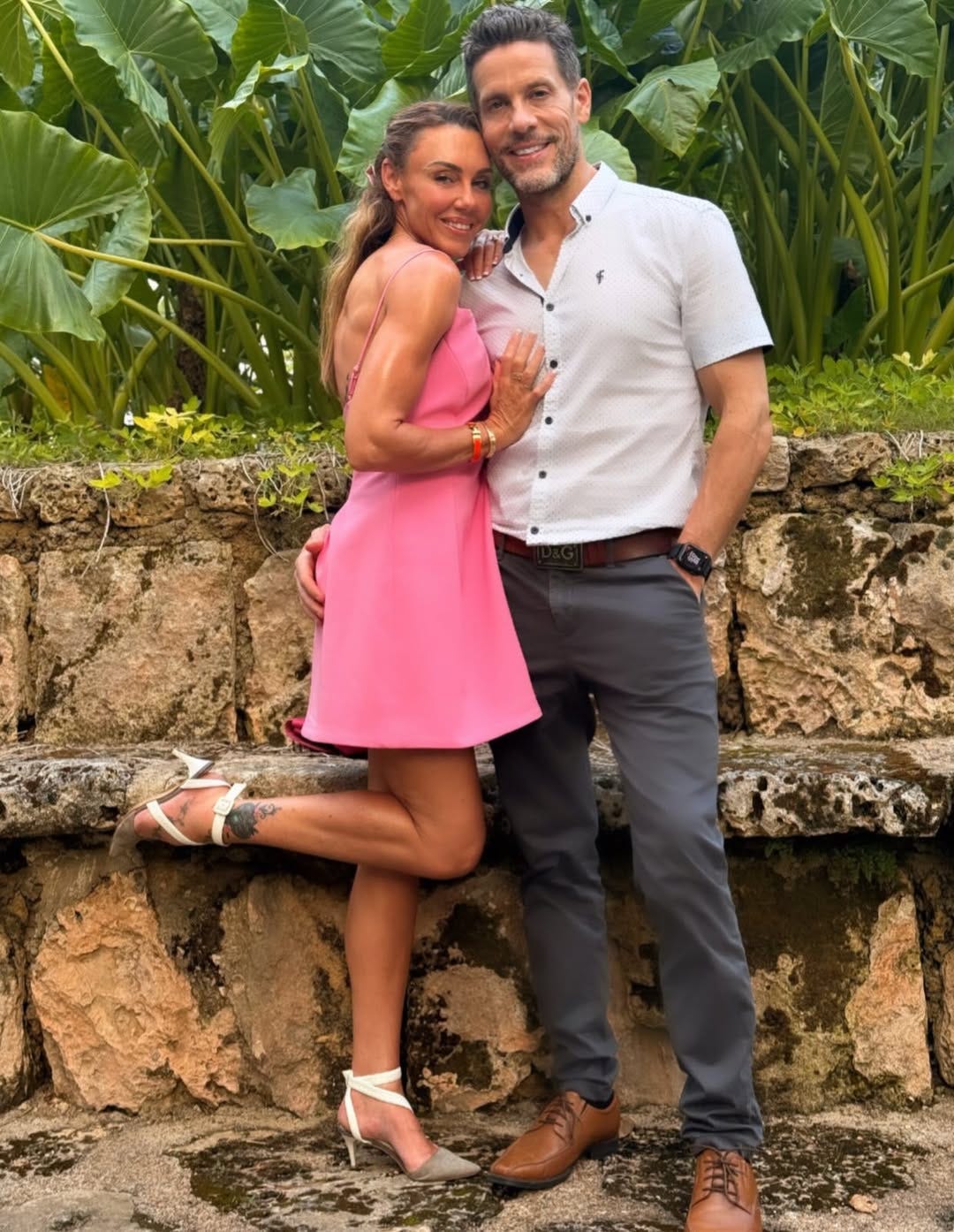
“I was horrible, honestly. And my husband Hugh was helpless. He didn’t know how to help me,” she explains. She understands why so many relationships break down during menopause. “When someone isolates themselves and becomes a different person, their partner is left watching, unable to fix it.” Thankfully, the couple worked through Michelle’s addiction together and are still happily married after 15 years.
Menopause doesn’t mean the end
After countless blood tests and appointments, Michelle was eventually prescribed testosterone alongside her HRT implant, something still surrounded by myths when it comes to women.
“Testosterone changed my life. I went from feeling maybe 20% myself to about 70%,” she says. But she’s blunt about her struggle with NHS support. “You have to fight for testosterone. And most women can’t afford to. I pay privately and it’s expensive. Women think testosterone means growing a beard or a deep voice. That’s nonsense. We’ve always had testosterone as a natural hormone, we just lose it in menopause.”
Michelle rejects the idea that menopause is the end of living a great, fulfilling life.
“It’s not a full stop. It’s a pause. You’re never the same again, but that doesn’t mean you’re less. You can be just as brilliant,” she says.
Today, Michelle is healthier than she’s been in years and is planning major physical challenges, including climbing Mount Kilimanjaro in Tanzania for charity in 2026, saying. “Going through menopause - whether it’s in your thirties, forties or fifties - doesn’t define you.”
Michelle now speaks regularly about menopause in businesses, often alongside her husband Hugh. Both women and men attend. They listen to the couple share their experiences. “That’s how change happens, when people realise they’re not alone,” she says. “Half the population goes through menopause. The other half knows someone who is.”
If there’s one myth Michelle wants to debunk, it’s this: “That menopause means you’re done. You’re not. You’re just beginning something different.”
Michelle’s advice to women facing medical menopause
Make a plan before it happens: “Ask about HRT early, and know your options. Menopause symptoms are quite easily written off as depression. Keep talking to your doctor in the months and years after surgery to get the support you need.”
Build a support network: “Don’t feel defeated by asking for help. Keeping everything in only leads to more destruction. You’re not alone.”
Don’t feel guilty: “Because I’d chosen to have surgery I felt like I wasn’t allowed to feel sad about it. Even if your menopause is induced because you’ve elected to have life-saving surgery, you’re to feel all the emotions.”
Take The Female Lead’s Menopause Journey survey and share your experience to help women in the future: thefemalelead.typeform.com/menopause
Michelle’s book, Hot Flush: Motherhood, the Menopause and Me, is available to buy.
You can read more about her DSNY Kilimanjaro Summit Climb for Caudwell Children and Caudwell Youth here.

Thank you for writing your honest experience with surgical menopause. I'm sorry you went through this, and that it was so isolating.
I'm still recovering from a total hysterectomy and am crossing my fingers my remaining ovary will produce hormones again. It's not a journey I would wish on people, but I'm glad to hear more people sharing their stories.