
Masking in women and girls with ADHD & AuDHD
ADHD coach Tamsin Morris on the drama performance no one sees - and why it’s exhausting.

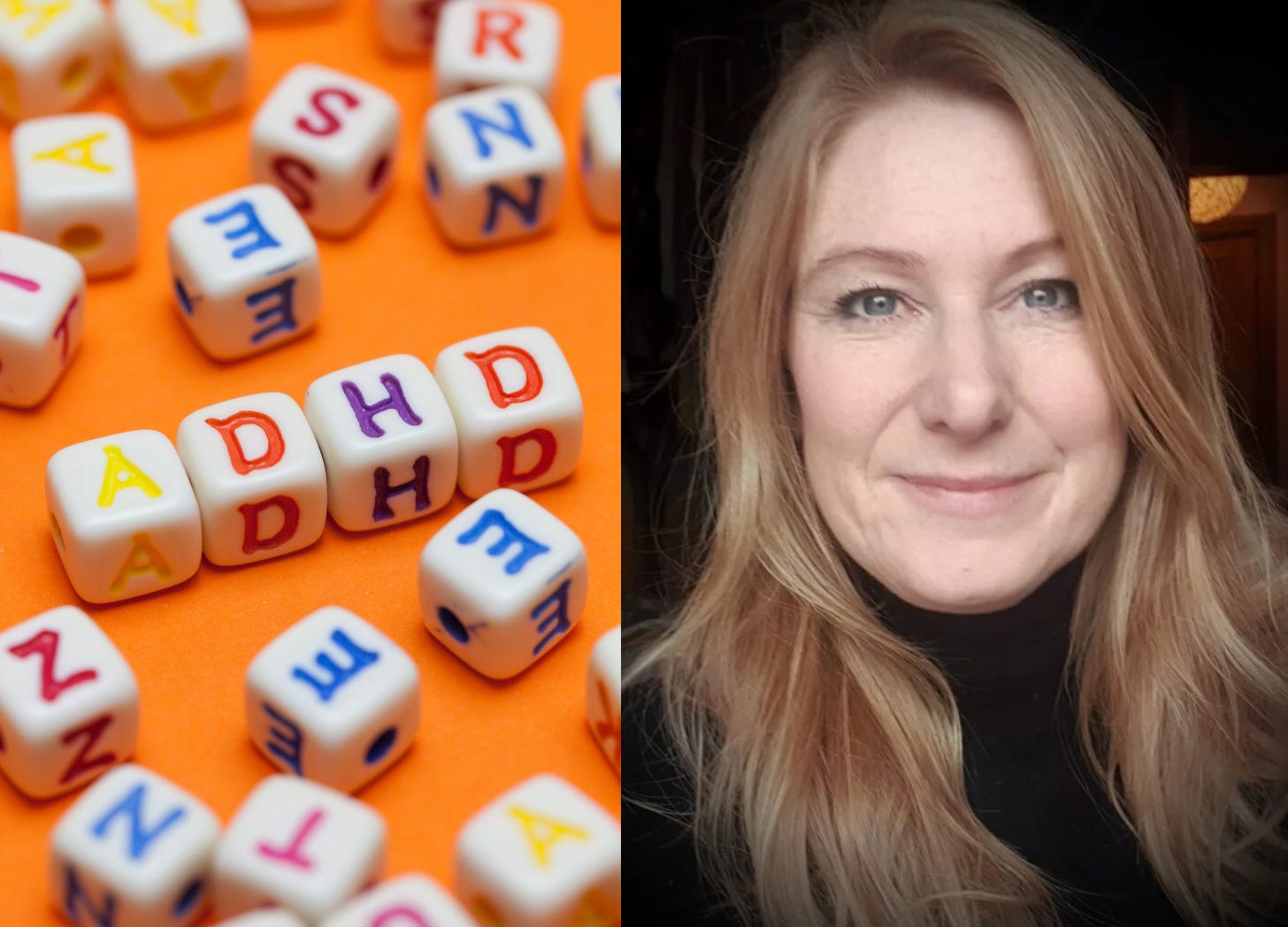
By Tamsin Morris, ADHD Life Coach
ADHD is not a deficit of attention, as the name suggests. It is, at its heart, a difference in executive function, which is the brain’s management system. So things like starting tasks, sensing time, planning, regulating emotion, and deciding what matters most.
In an ADHD brain and AuDHD brain - AuDHD is a non-clinical term used to describe individuals who live with the co-occurrence of both Autism Spectrum Disorder (ASD) and Attention Deficit Hyperactivity Disorder (ADHD) - that system isn’t rigid, so it can be brilliant one hour, and completely unreachable the next. The attention is there, but it just doesn’t always go where it’s told.
Most neurodivergent people know about some common themes, widely shared on social media and talked about in podcasts:
Procrastination, which isn’t a motivation problem but an initiation one because the ADHD brain runs on interest and urgency, not importance.
Perfectionism, which feeds into procrastination because of that fear of not getting things right
Time blindness, where time exists only as now and not now, so a deadline stays comfortably distant until it floods in as panic.
And Rejection Sensitive Dysphoria (RSD), where a mild comment or flat reply can feel more like a slap in the face as the nervous system registers possible rejection as danger.
But here’s how these same things can look in women. Because from a young age, girls learn early that being “difficult” carries a cost. We’re praised for being good, quiet, helpful, and easy. So when our brains run differently, we learn to act and we are very good at it.
Our procrastination hides behind all-nighters and quietly cancelled plans. We smile and say “I work best under pressure” while the not-starting gives us anxiety, and nobody ever sees those hours where you can’t move, which come before the frantic ones where you manage to hit a deadline.
Our perfectionism polishes, over-prepares and triple-checks. If it’s flawless, nobody can criticise it, and nobody can catch us out, especially because we are women and we have to work twice as hard in most industries to become equals. And the fear of doing it imperfectly quietly feeds the procrastination that started the loop.
Our time blindness gets buried under elaborate compensation: arriving stupidly early, setting nine alarms, panicking because two hours somehow evaporated. Nobody sees the scramble - they see a woman who has it together, because we have to behave like that.
And our RSD, in a world that raised us to be likeable, becomes people-pleasing. We say “no problem at all” while replaying the moment for three days. It isn’t a personality quirk. For many of us it’s RSD wearing a cardigan.
There’s a name for all of this hiding - it’s called Masking.
The bright “I’m fine!” when you’re running on empty. The laugh that arrives half a second late, because you were watching to see when laughing was expected. Every mask is an executive function gap with a costume on, and it’s why so many of us are missed for decades. Our restlessness became anxiety, our struggle became a performance of coping, and the better we masked, the less help we were offered. We called ourselves the harsh words instead. Lazy. Disorganised. Too sensitive.
Related articles


And masking is not effortless. It’s real cognitive labour, humming behind everything else you do. It’s why a nice lunch can flatten you, why you hold it together all day then come apart when your front door closes. You haven’t failed at socialising. You’ve just finished a huge work shift.
So where does it ease?
It’s too big a thing to rip that mask off at once, but the first thing to do is notice it. For one day, register the moments you’re performing.
From there, the kindest changes are quiet ones.
Build in recovery time on purpose: nothing demanding behind a socialising afternoon.
Move what you can out of your head: a calendar, one list, alarms with buffers, because executive functions work better with scaffolding than willpower.
Let good enough be a finish line, not a failure.
When a comment knocks you sideways, name it gently and say, “This is the dysphoria, not the truth”.
And most importantly, find one place, one person, one hour where that mask can slip. Being met as yourself is how you remember there’s a self in there to be met.
And if you’re reading this without a diagnosis, thinking but this is just… me, that recognition is worth taking seriously. Plenty of us started exactly here.
A small thing to sit with this week:
Where do you feel most like yourself, and where do you feel most like you’re performing?
Just notice. That noticing is where it begins.
After a career as a TV Producer, Tamsin Morris became an ADHD coach, supporting individuals in developing personalized strategies to navigate the unique challenges associated with Adult ADHD.
