

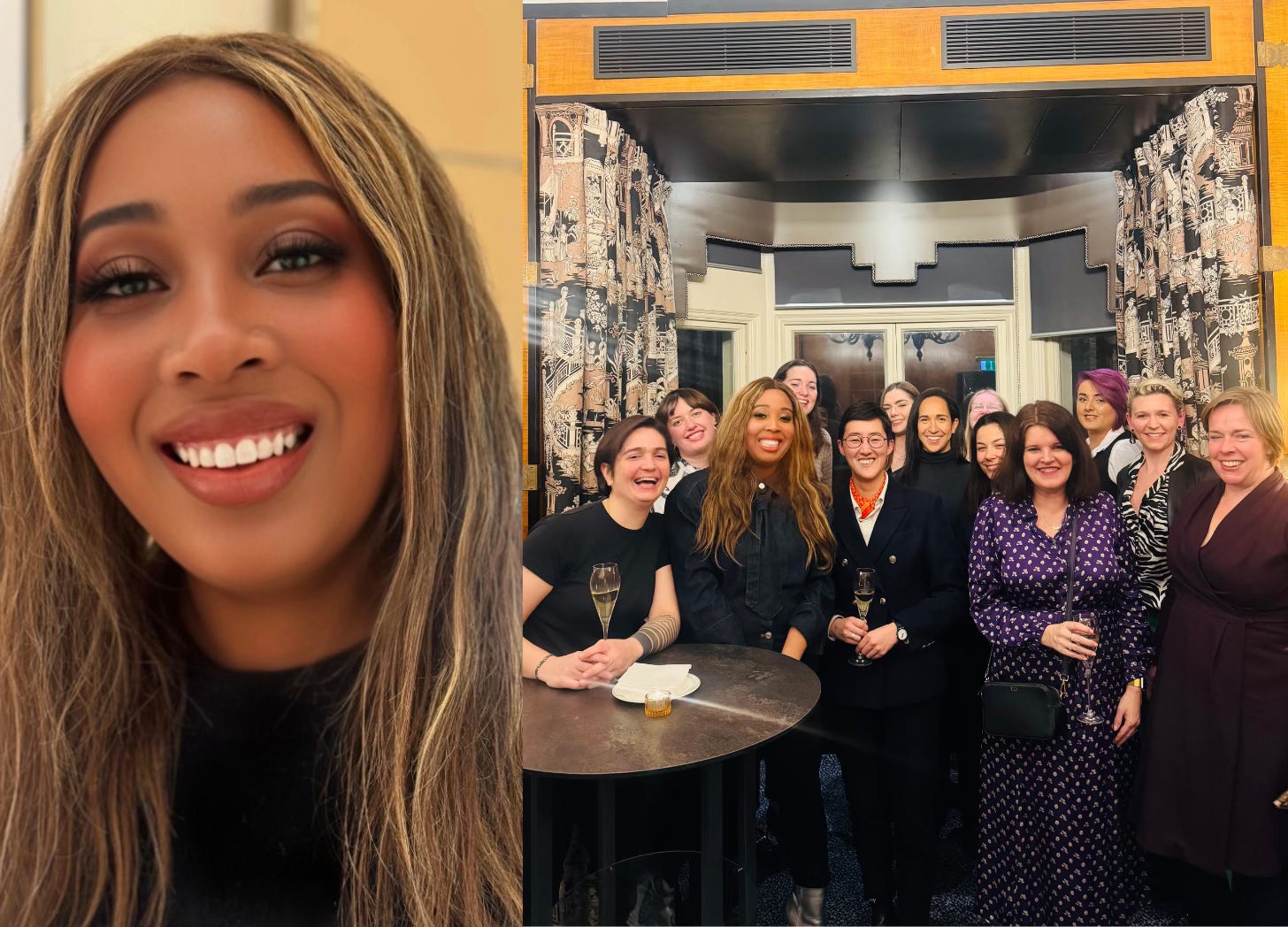
By Jaqui Rhule-Dagher, Lawyer and Founder of Legally Queerly
I am at a Pride lunch under the guise of being an ally. The event is being held by the law firm where I work. Feeling nervous, I try to stay calm and composed. But no sooner has the food been placed on my plate, than I leap up. Fleeing the room, I rip off my rainbow lanyard and discard it in a nearby plant pot.
Why the extreme reaction? Although nobody has explicitly said to me, “If you come out it will ruin your career”, I am already hyper aware that I am one of the few Black people at my firm. I don’t want to add my sexuality to the mix too.
Flash forward to today, more than a decade later, and I am now proudly out at work. But the journey to get here has not been easy. The reality is that there are not huge numbers of out lawyers. In 2025, 2.6% of lawyers identified as lesbian or gay, just a slight increase from 2.1% in 2015, according to the Solicitors Regulation Authority.
The absence of out senior leaders can leave junior lawyers feeling isolated and excluded.
While 3% of partners in larger firms (50+ partners) are gay men, only 1% are lesbian women. Many people also feel pressure to conceal their sexuality to fit into a heteronormative framework. I have heard of people being too afraid to announce their engagement to colleagues, for fear of being viewed negatively. Research by the Trades Union Congress found that 34% of LGBTQ+ legal professionals still face microaggressions in the workplace, such as offensive “banter”.
Challenges are compounded when a person exists at multiple intersections. Characteristics such as class, race, religion and gender can interact to create unique experiences of privilege or oppression.
The importance of visibility cannot be overstated. If you don’t see people who look like you, you can start to think there is something wrong with the way you look. Representation impacts attitudes and culture. When people see lesbians and queer individuals working authentically, it challenges perceptions. If I had seen diverse role models from the start of my career, it would have made a massive difference.
Related articles

If all that is not enough to persuade you of the importance of inclusion, lesbian and queer visibility also makes business sense, enhancing innovation and problem-solving.
Remembering the dearth of role models when I entered the legal industry, I founded Legally Queerly in April 2023. This initiative involves lesbians and queer individuals in the legal industry, or in-house lawyers, writing about their careers and the power of visibility, in a feature published by DIVA magazine.

To date, over 100 individuals have taken part in Legally Queerly. Consistent visibility acts as “profound advocacy”, directly disrupting harmful stereotypes and unconscious biases.
My advice to aspiring and junior lesbian and queer lawyers? Establish a “Personal Board of Directors” at the outset of your career. Seek out a group of trusted mentors, including senior lawyers, who can offer guidance on early years in practice. Reverse mentoring senior lawyers can also be a brilliant way of sharing your lived experiences and positively impacting your firm’s inclusion efforts.
When applying to firms, search for meaningful initiatives, such as inclusive parental leave and trans-inclusive health benefits. Try to unearth whether the firms have openly LGBTQIA+ lawyers and active Employee Resource Groups (ERGs).
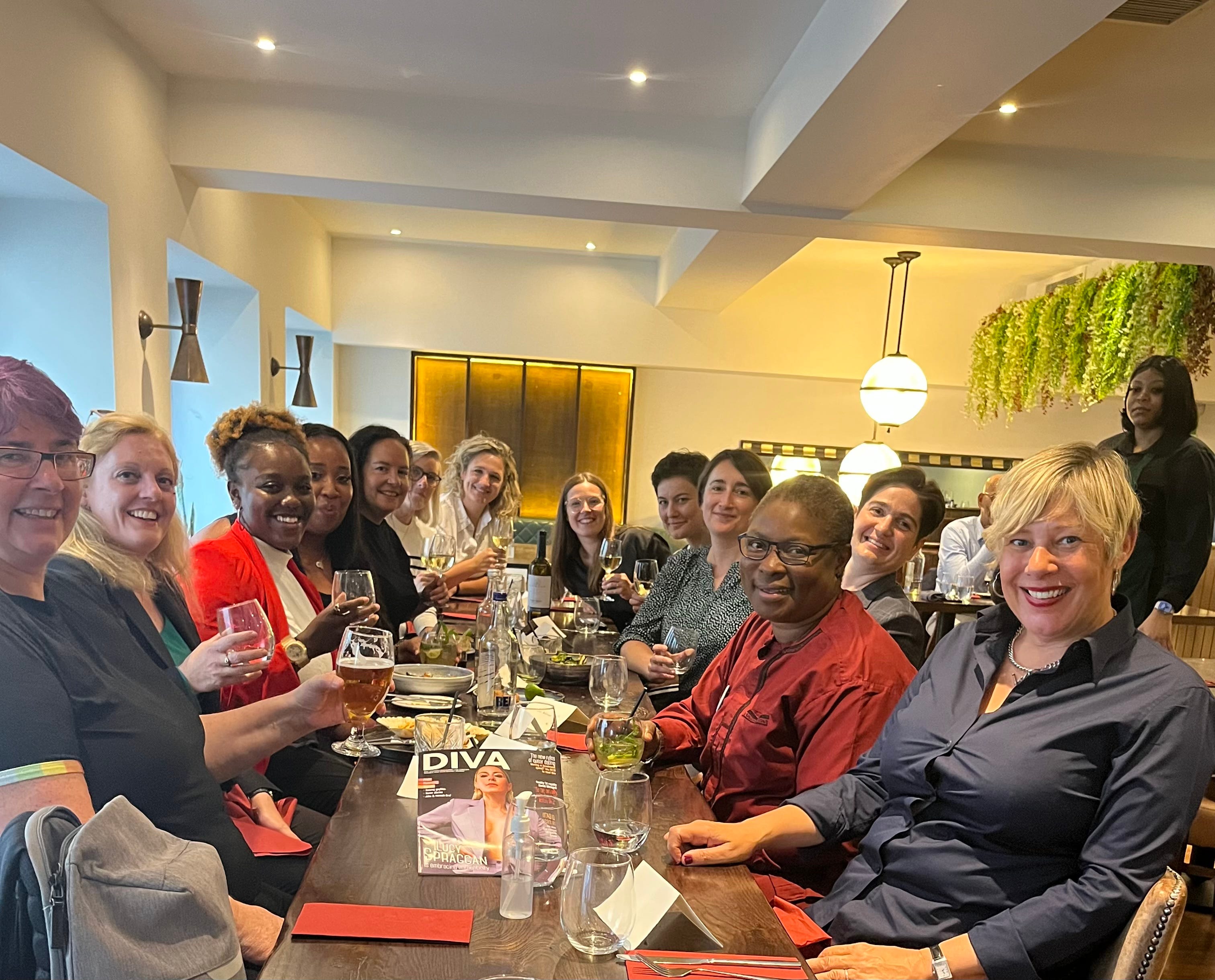
If you’re an ally, then participating in ERGs is powerful, showing that inclusion is a firm-wide concern and not just a minority issue. You can also make a difference by calling out microaggressions or offering sponsorship – using your political capital to ensure opportunities are distributed equitably.
Although being lesbian and queer in the legal industry can present specific challenges, it can also offer unique opportunities. Two years after that disastrous Pride lunch, on starting my training contract at another firm, I made the decision to be out at work. Since then, I have had the pleasure of meeting incredible people I may not have otherwise encountered. I have been able to help shape policies and strategy. Significantly, the Legally Queerly contributors are now positive role models for others. The biggest lesson I have learned is this: being out is not always easy, but it’s always worth it.

I have never wondered what it is like being a black lesbian working in the legal system. Pass.