
Three trailblazing women breaking barriers in a man's world
"Change is possible" says film director Stacey Tenenbaum as she tackles ageism and activism in her inspiring documentary.

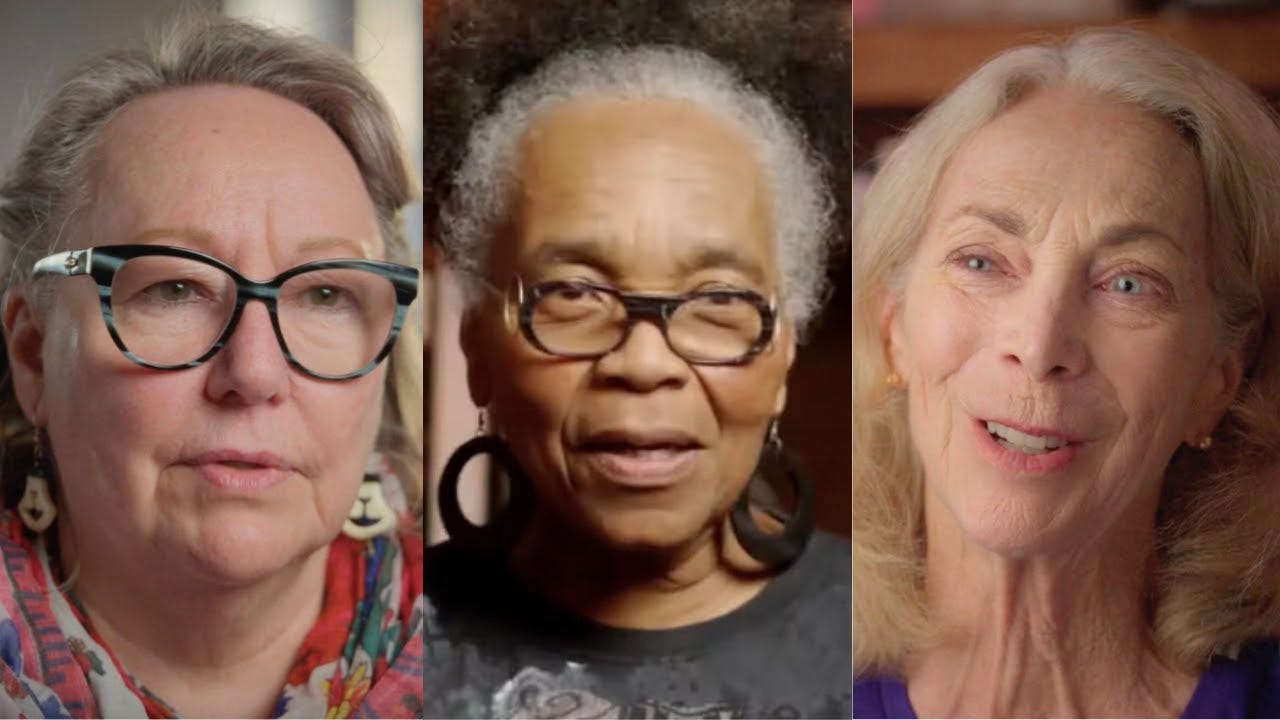
It was out of her own personal curiosity that documentary filmmaker Stacey Tenenbaum began working on her project Tough Old Broads.
“I’m heading towards middle age,” she says. “I was wondering what it was about these ladies that allowed them to break barriers, especially in a time where things were even more stacked against women.”
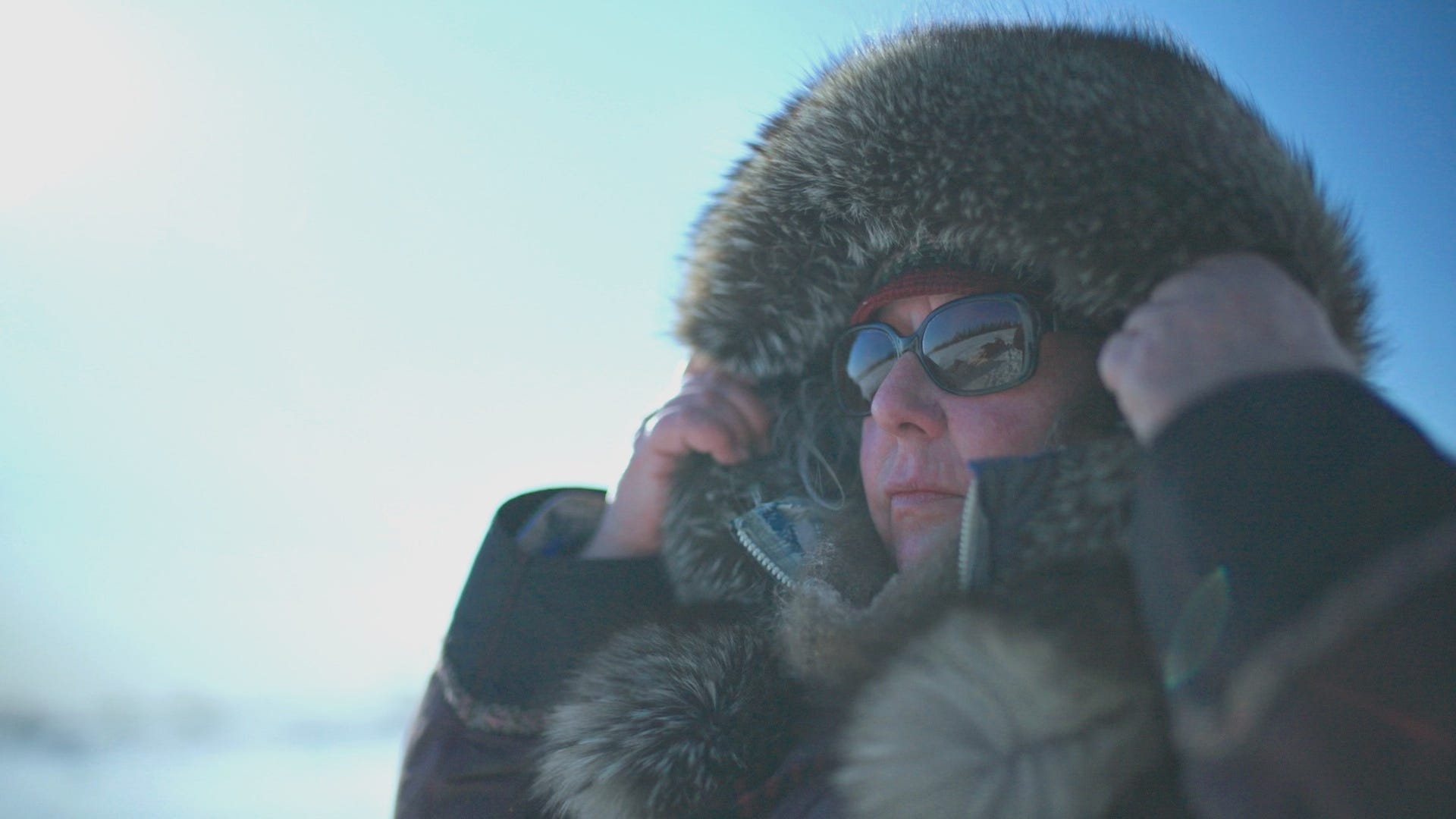
The documentary follows three pioneering women whose work helped reshape the worlds of sport, environmental activism and civil rights: marathon runner Kathrine Switzer, Canadian Inuit activist Siila Watt-Cloutier, and photographer Sharon Farmer. Each became the first woman to achieve something significant in a male-dominated space, and each has continued working for change well into later life.
Stacey initially imagined the film would explore ageism. But as production unfolded, that theme ended up slipping into the background.
“The same thing that allowed these women to be trailblazers has sort of protected them from ageism,” she says. “They just don’t care. They move ahead.”
That attitude and instinct to push forward rather than wait for permission became one of the film’s defining ideas. While age discrimination is definitely real, Stacey found that these women’s long histories of activism and public respect had insulated them from some of its effects.
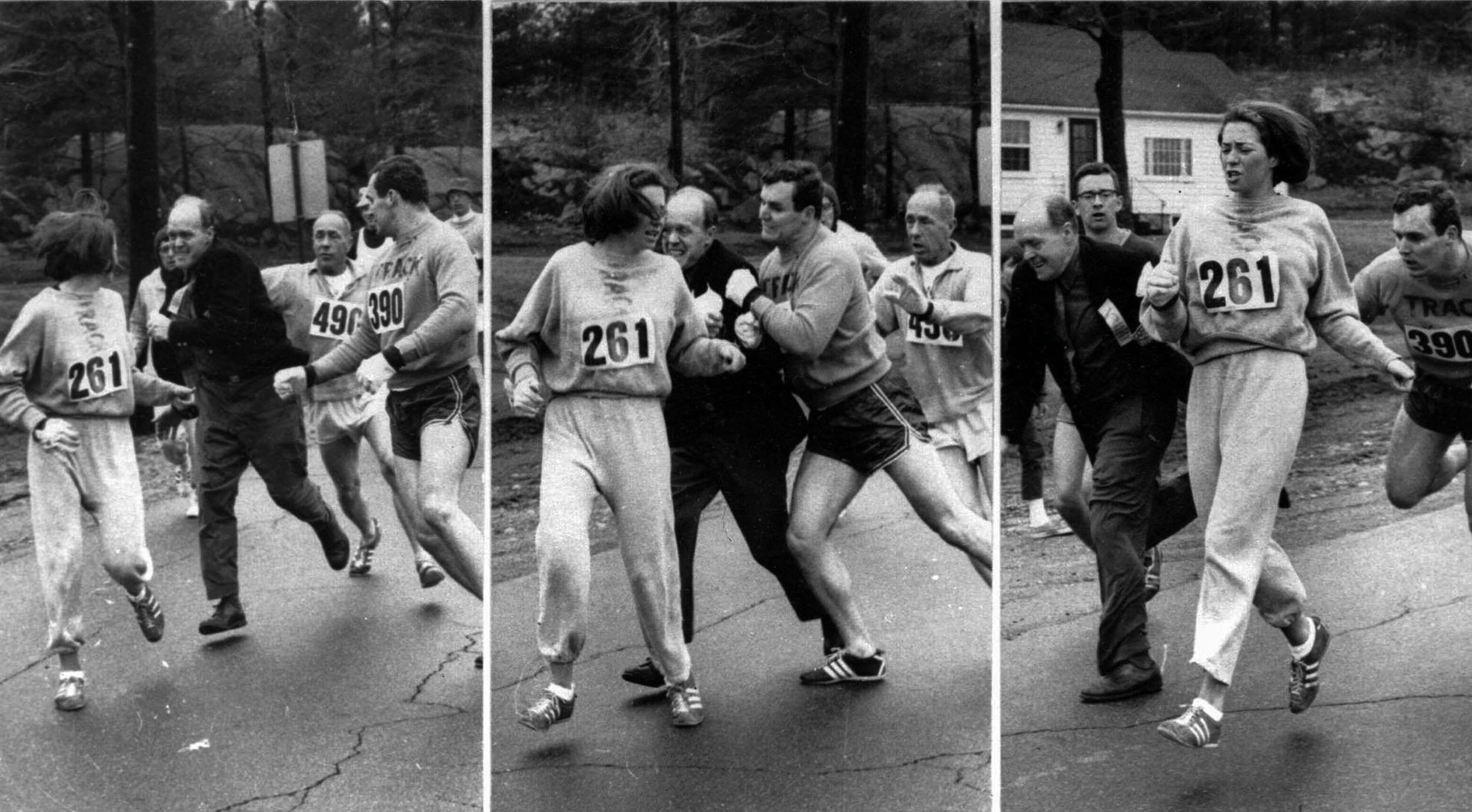
Stacey began by researching female “firsts”, discovering Switzer through the famous photograph of her being attacked by a race official while running the 1967 Boston Marathon.
“I was looking for trailblazing women who were the first to do something in a man’s world,” she explains. “But I also wanted people with different backgrounds and lived experiences, working in completely different areas.”
It took nearly three years to find the right balance of stories.
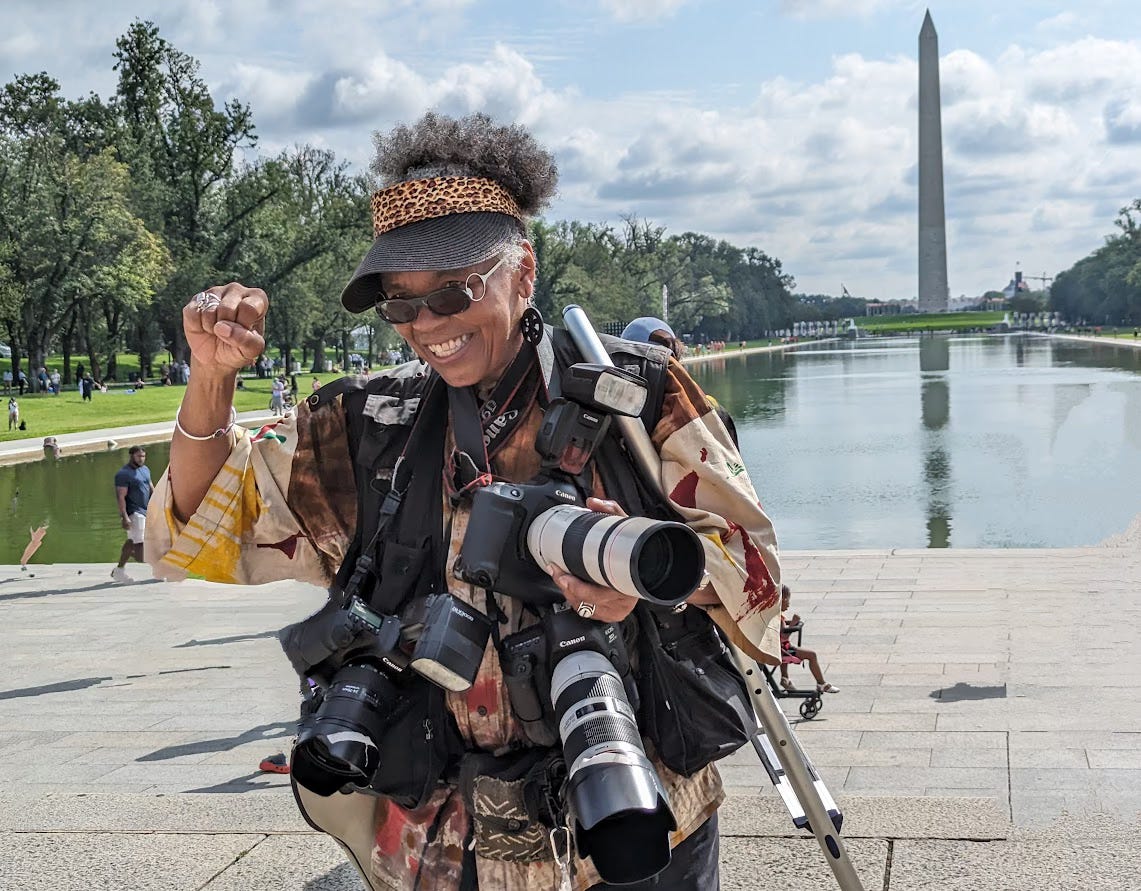
Activism had not been her starting point, but all three women turned out to be lifelong campaigners. Kathrine Switzer fought for women’s inclusion in long-distance running, Siila Watt-Cloutier has spent decades advocating for climate justice and Arctic communities, and Sharon Farmer broke barriers as the first Black woman to photograph a sitting US president as Chief Official White House Photographer.
“That was a happy surprise,” Stacey says. “I didn’t go out specifically looking for activists, but that’s what ended up happening.”
In many ways, that coincidence strengthened the project. By following women who had spent decades fighting for change, Tough Old Broads is less about historical milestones and more about endurance - the long, often exhausting work of activism.
“Change is possible,” Stacey says. “But we have to stick to it and keep at it.”
Despite some logistical hurdles, Stacey had some extraordinary experiences from the production. One of her favourite moments involved travelling north to spend time in Arctic communities while filming with Siila Watt-Cloutier.
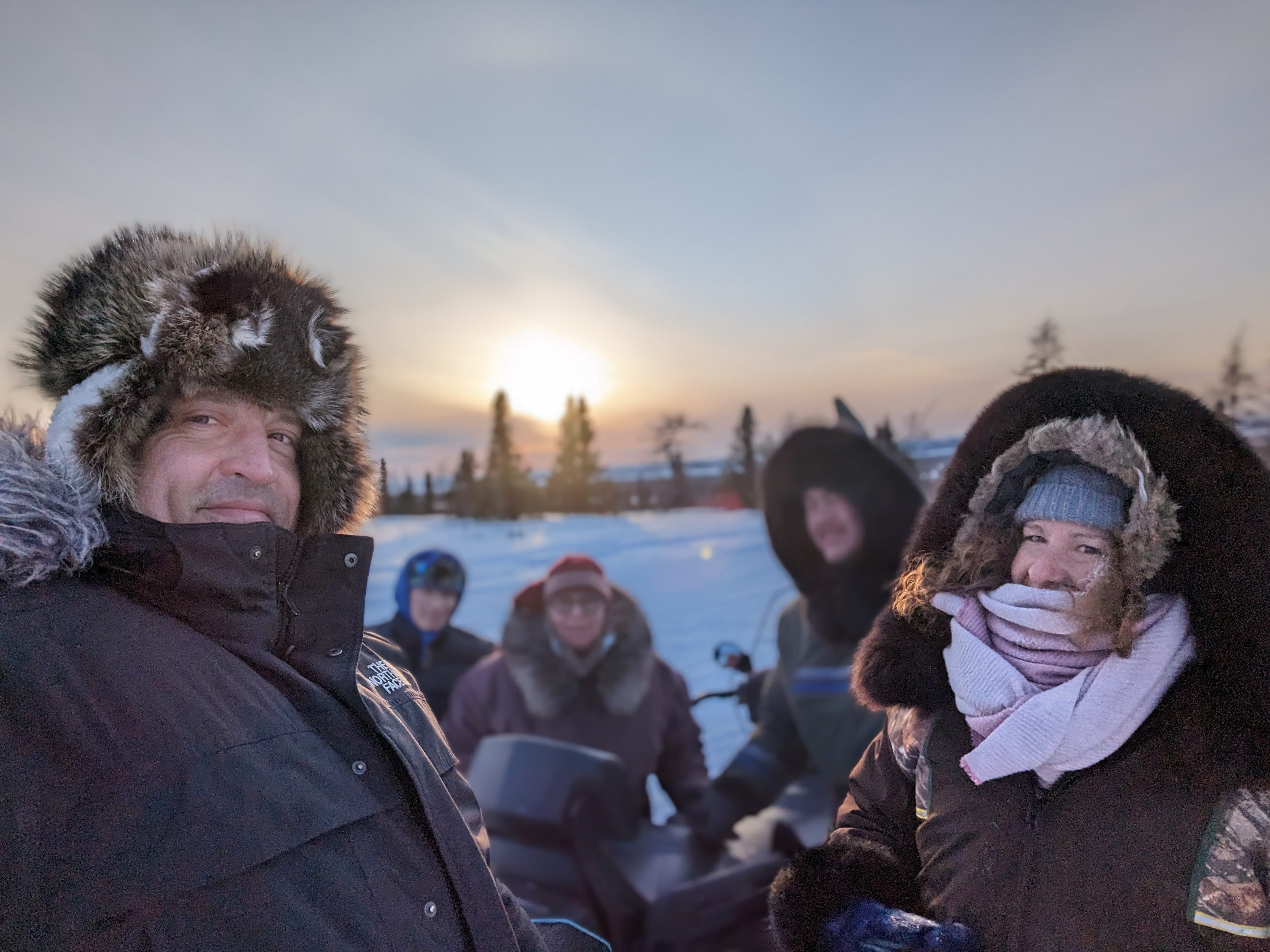
“It’s such a beautiful place,” she says. “Being welcomed into that community was really special.”
But the most meaningful part of the project, she adds, was the friendships that formed with the three women.
“Getting to know these women so well, that’s the real blessing,” Stacey says. “You don’t get to meet people like that a lot in your life.”
Working on the film also changed her personally. Spending time with lifelong activists reshaped how she thinks about her own role in political and social movements.
“I’ve been radicalised,” she says, only half-joking. “I go to way more protests now than I did before.”
What Tough Old Broads tells us about activism is deliberately broad. Rather than presenting one model for change, the film highlights the different ways people contribute to movements - through public protest, storytelling, advocacy or community leadership.
“Everybody has different skills,” Stacey says. “The idea is to figure out what you care about and what you can bring to creating positive change.”
And it’s this philosophy that shaped the audiences she had in mind while making the film. The first is older viewers, who she hopes will feel encouraged to remain active and engaged in their communities.
“There’s a lot of depression in older communities,” she says. “I wanted people to see that you can still take up space and contribute.”
The second audience is younger people, who she hopes will carry forward the work begun by earlier generations.
“Climate change, civil rights, women’s issues - these aren’t things that will be solved in one generation,” she says. “Young people need to take up the fight where these women leave off.”
Stacey explains that the film’s success isn’t festival recognition but audience response. She recalls screenings where viewers laughed, cried and left the cinema energised by the stories they had just seen.
“People come out wanting to do something themselves,” she says. “That’s what matters.”
The documentary also addresses another issue close to her: the lack of representation for older women in film.
“There’s still a lot of sexism in the industry,” she says. “Women-focused stories don’t get as much attention, and older women get even less screen time.”
Spotlighting these voices was part of the point.
“What you see on screen shows what’s possible,” she says.
Ultimately, Tough Old Broads is less about celebrating the past than about continuing a conversation - one that begins with the question: what can each of us do, in our own communities, to make things better?
Real change rarely begins with grand gestures.
“Sometimes it starts with just one person thinking about what they care about,” she says. “And deciding to keep going.”
You can learn more about Tough Old Broads here.
