


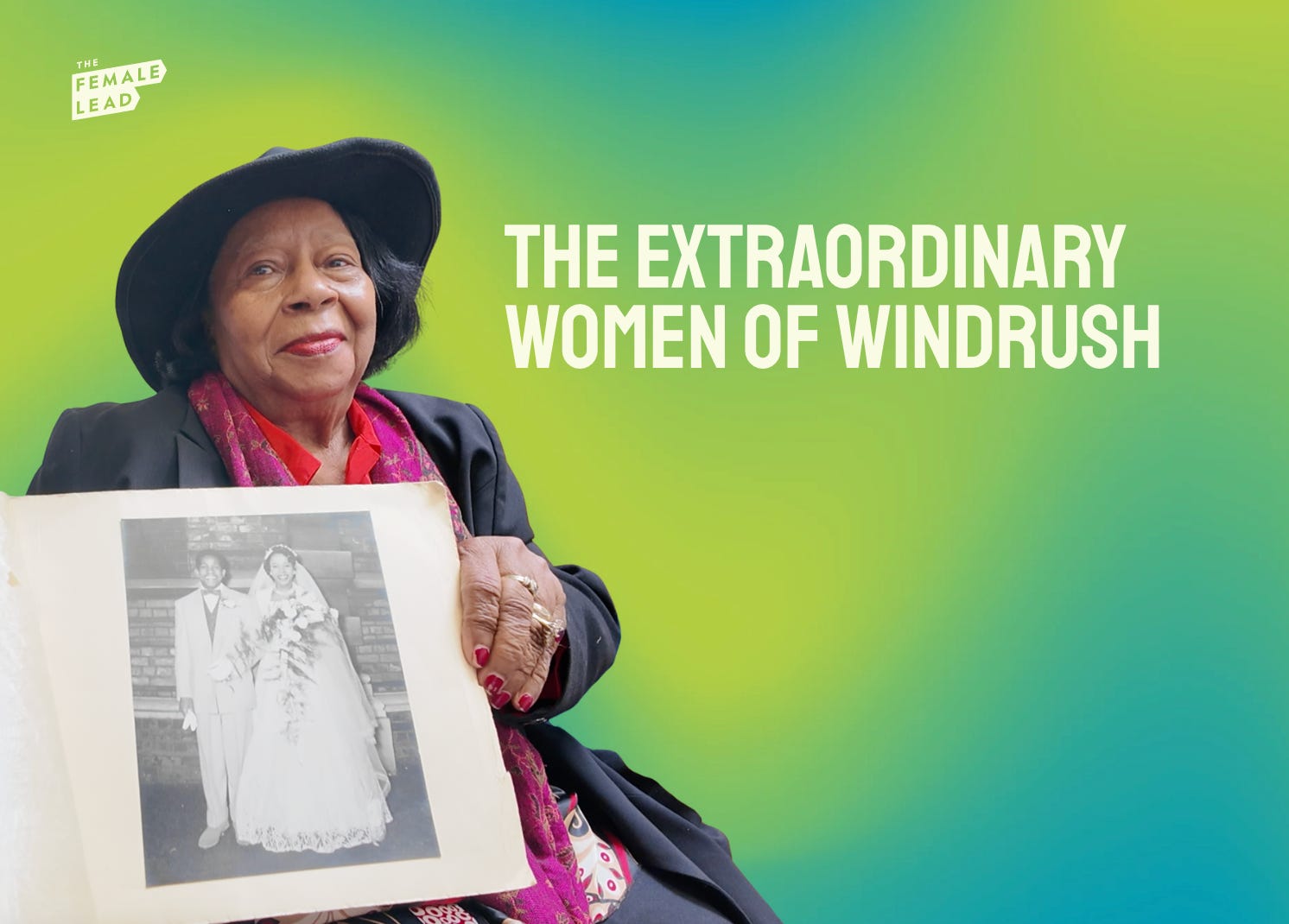
Since 2018, every year on 22 June, the UK celebrates Windrush Day, honouring the arrival of the Empire Windrush at Tilbury Docks in 1948 and celebrating the generations of Caribbean people who came to Britain to help rebuild the country after the Second World War. Their contributions helped shape modern Britain, from the NHS and public transport to schools, factories and communities across the country.
To mark this year’s Windrush Day, we had the privilege of sitting down with six extraordinary women at The Positive Network in Balham, South London. Carmen, Beryl, Veronica, Betsy, Zena and Alicia all came to Britain from Jamaica or Guyana during the Windrush era, many of them as teenagers or women in their early twenties.
Their stories are different but all of courage, sacrifice, hard work and a determination to build a better life. Every woman we spoke to was proud of the life she had built here. Not one regretted making the journey.
Carmen Hinkson
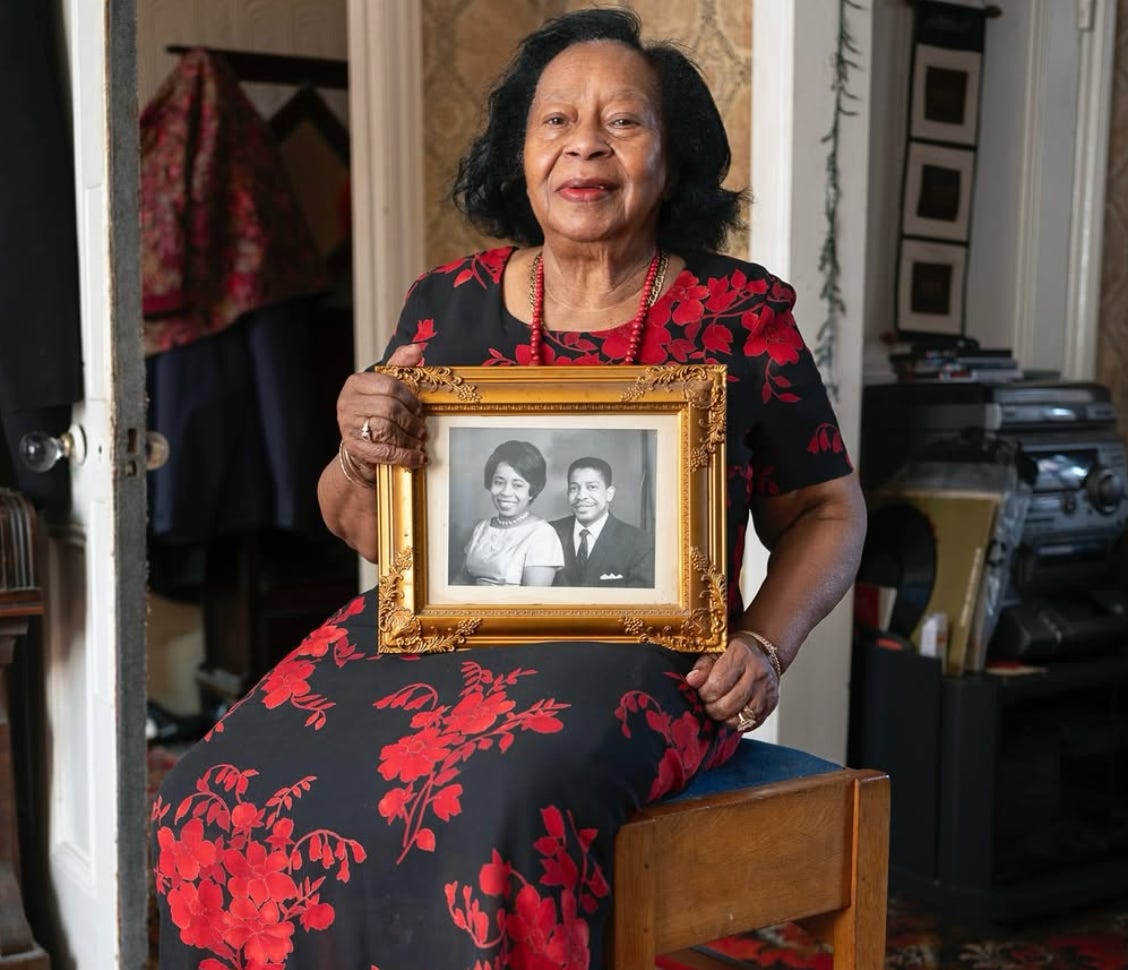
When Carmen Hinkson left Clarendon, Jamaica, in 1956, she was just 18 years old and had never travelled by sea before. “I came by boat, it took 17 days. I’d never been on one in my life,” she laughs. Carmen arrived in Southampton in June and travelled straight to London Euston. “It was raining,” she remembers. “I’ll never forget the first thing I ate was liver and bacon.”
Carmen had come to Britain to join her boyfriend, who would later become her husband. He had already made the journey after his sister came to Britain during the war and trained as a nurse. “I was hoping he would come and send for me too,” Carmen says. “And that’s exactly what happened.”
Like many young people arriving from the Caribbean, Carmen had grown up hearing Britain described as the “mother country”.
“I expected Britain to be very nice. And the people to be friendly. I expected it to be a bed of roses,” she says. “But it wasn’t.”
Just two weeks after moving into a rented room, the landlord gave them notice to leave. Carmen remembers him walking into the house one Sunday morning as she was making tea and turning off the kettle. “He said, ‘You’re not allowed to make any tea. You don’t live here anymore.’ Just like that.”
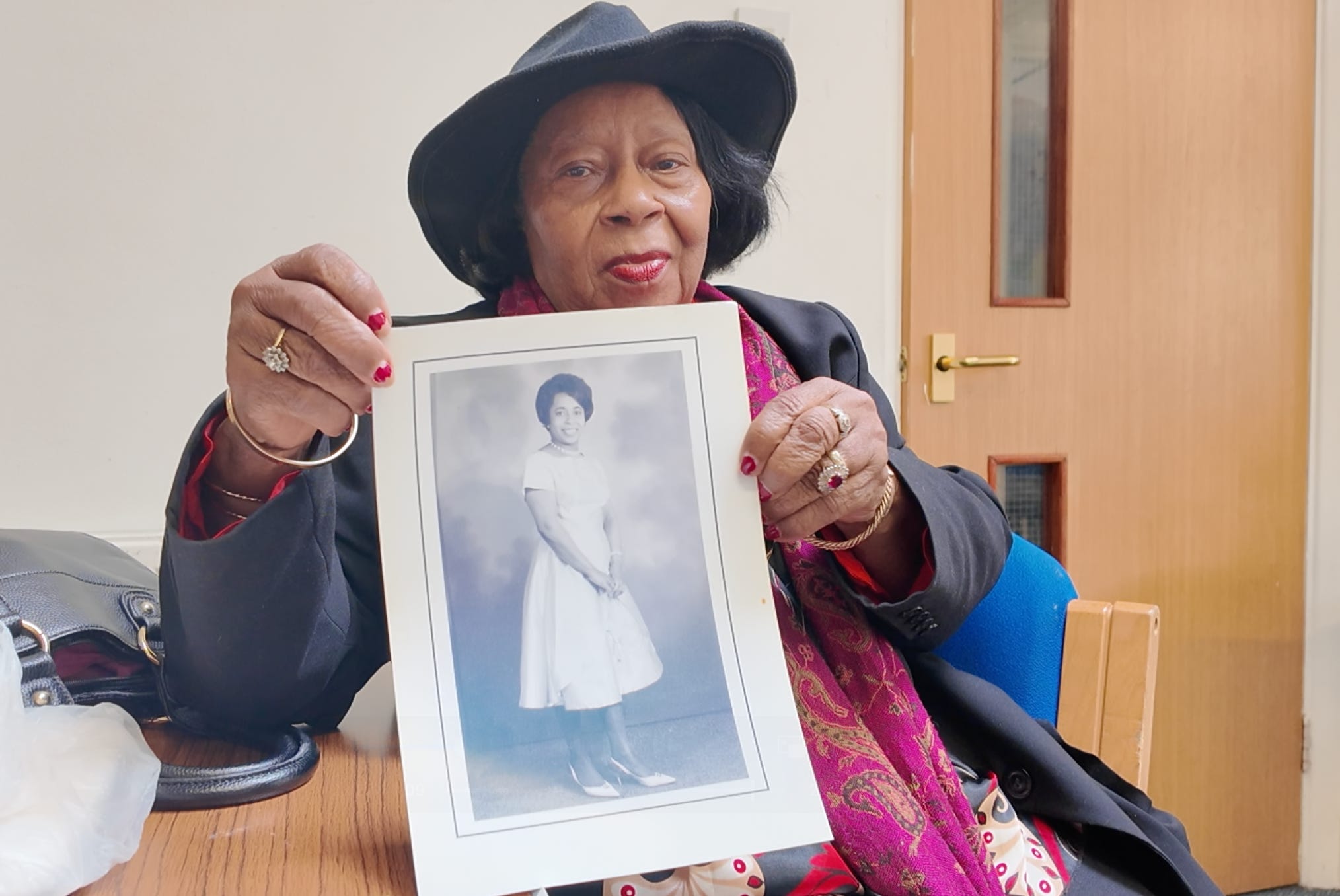
When her husband went to the police for help, they told him there was nothing they could do. Carmen was devastated. “I was walking through Balham crying, thinking, ‘My mother was right. I shouldn’t have come here’.” When she returned, her suitcase had been left outside on the street.
Out of desperation, Carmen approached two men she saw walking nearby and asked if they knew of anywhere she could stay. One simply replied: "Follow me." Nervous but with nowhere else to go, she followed him to a small back room with an outside kitchen and toilet. "I was so desperate," she says. "I'd have taken anything." That same day, Carmen and her husband moved in.
They ended up staying for over a year. "Him and his family were so nice to me." Soon, Carmen was helping to look after the family's children while the adults were out. "They'd say, 'Miss, could you look after the children until we come back?' I'd say, 'Certainly!'"
There were difficult moments throughout those early years. Carmen remembers signs in windows that read: ‘No Blacks. No Irish. No Dogs.’ She remembers how Britain had called on people from the Caribbean to help rebuild after the war, but “they had no preparation for us coming. There was nowhere for Black people to live. Some used to sleep down in Balham tube station.”
Carmen refused to be defeated. Once she started work and built a circle of friends, Britain slowly began to feel like home. Weekends were filled with parties and laughter, neighbours gathered in one another’s homes.
Her first job came through a cousin, who told her about a Jewish woman who owned a factory making clothes for Marks & Spencer. The only problem was that Carmen had never used a sewing machine in her life. “I said, ‘Yes man, I can do it’,” she laughs. “It was a lie.”
On her first day, the sewing machine caught fire. Panicked, she confessed to the woman sitting beside “to tell you the truth, I’ve never used a sewing machine before.”
“’Don’t worry, my love. I’ll help you,’ she said.” Only later did Carmen realise she had been speaking not to another employee, but to the factory owner herself. “I didn’t know it was her business!” she laughs. The owner not only kept her on, but helped relatives of Carmen find work too.
Seventy years later, Carmen has spent her entire life in Britain living in Balham. What kept her going through the difficult times? “My family. Everybody looking to me to keep going and help them all.”
And if she had the choice again?
“I’d do it all over again. I would right now.” She says, smiling.
“I have no regrets. Even though it was hard, it made me tougher and stronger.”
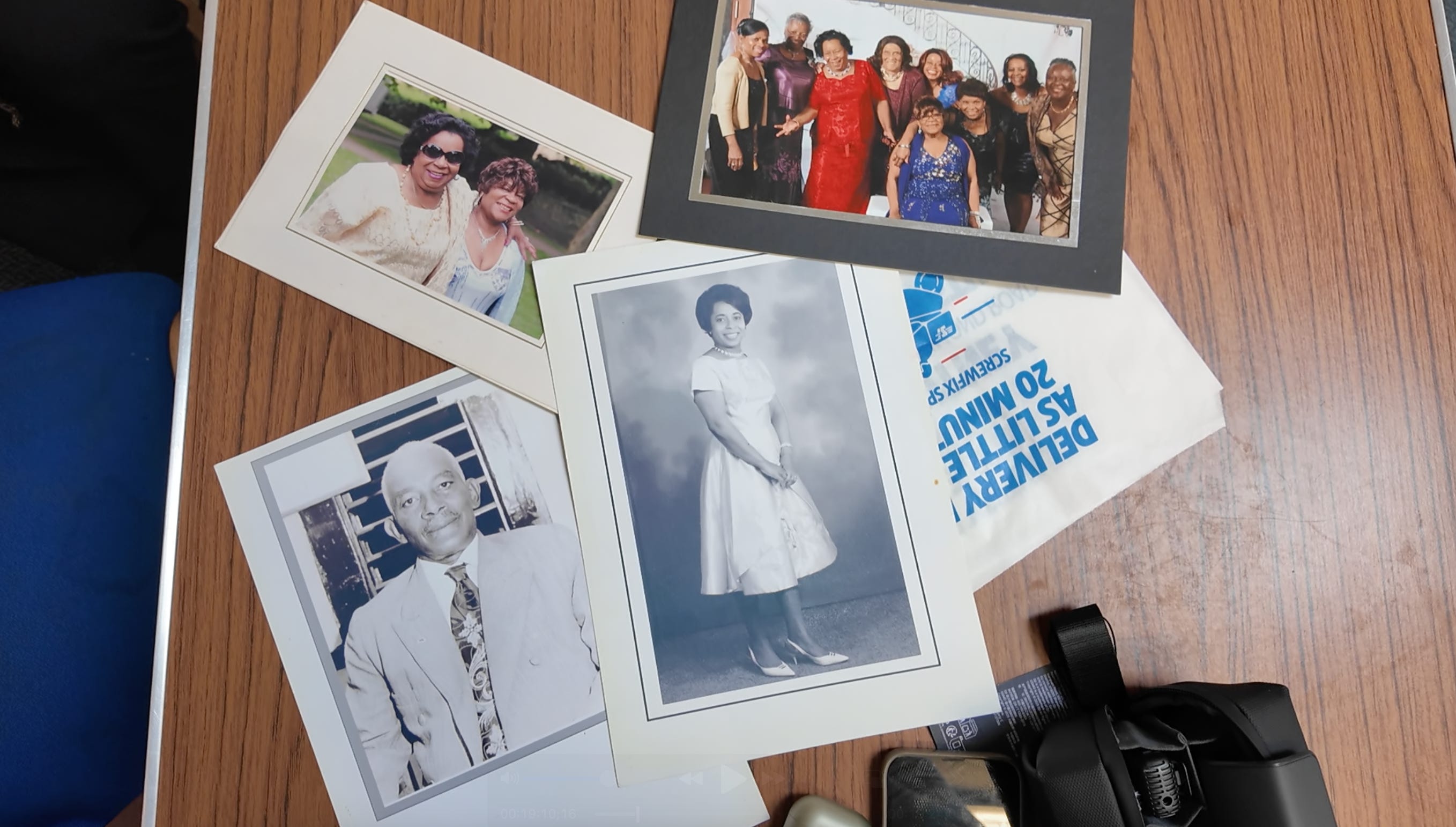
Beryl Palmer
Beryl arrived from Jamaica in 1961 aged 22, joining relatives who had already settled in Britain. “After they come here, they try to help you instead of sitting there doing nothing,” she says. Her parents paid her fare and a cousin helped her find somewhere to live. Within days, Beryl had found work. “As soon as I came here I got a job. And since then I was never been out of work. I’ve never been on the dole. I’ve always worked.” She tells us proudly.
Her first job was at a cotton mill in Stockport. It was there, just a year after arriving, that she met Noel, the pair married in 1963. More than sixty years later, they are still together, both attending community sessions at The Positive Network - they even recently received a congratulatory letter from the King. “We worked and we put our money together,” Beryl says proudly. By 1967, they had bought their first home — a semi-detached house they paid £2,500 for.
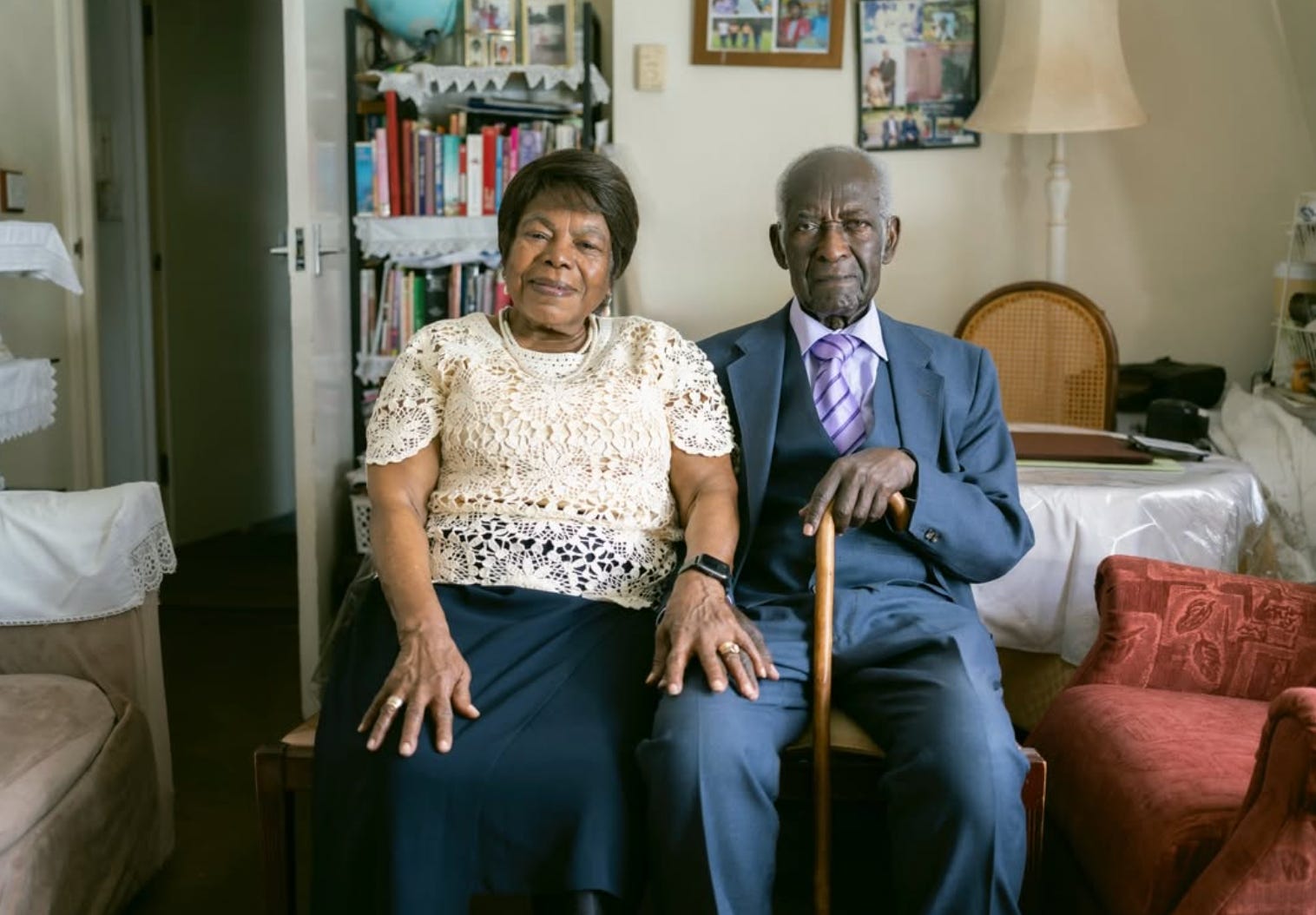
Over the years, Beryl also worked at a brewery, and had a job sewing (which she learnt to do on the job!) and later worked at Trinity Hospice, travelling back and forth between Britain and Jamaica while caring for her ageing parents. “I always thought it was the right choice,” she says of coming to Britain. “I was fully occupied. Working five days a week and getting paid.”
Beryl speaks fondly of the independence Britain gave her. “You used to be at your parents’ home. So coming here meant you became independent.”
Her advice to her younger self? “I would give myself more holiday,” she laughs. “I used to work so much.”
Otherwise, Beryl looks back on her life with satisfaction — proud of the home she built, the marriage she has cherished and the life she created from the opportunities she found here.
Veronica McLean
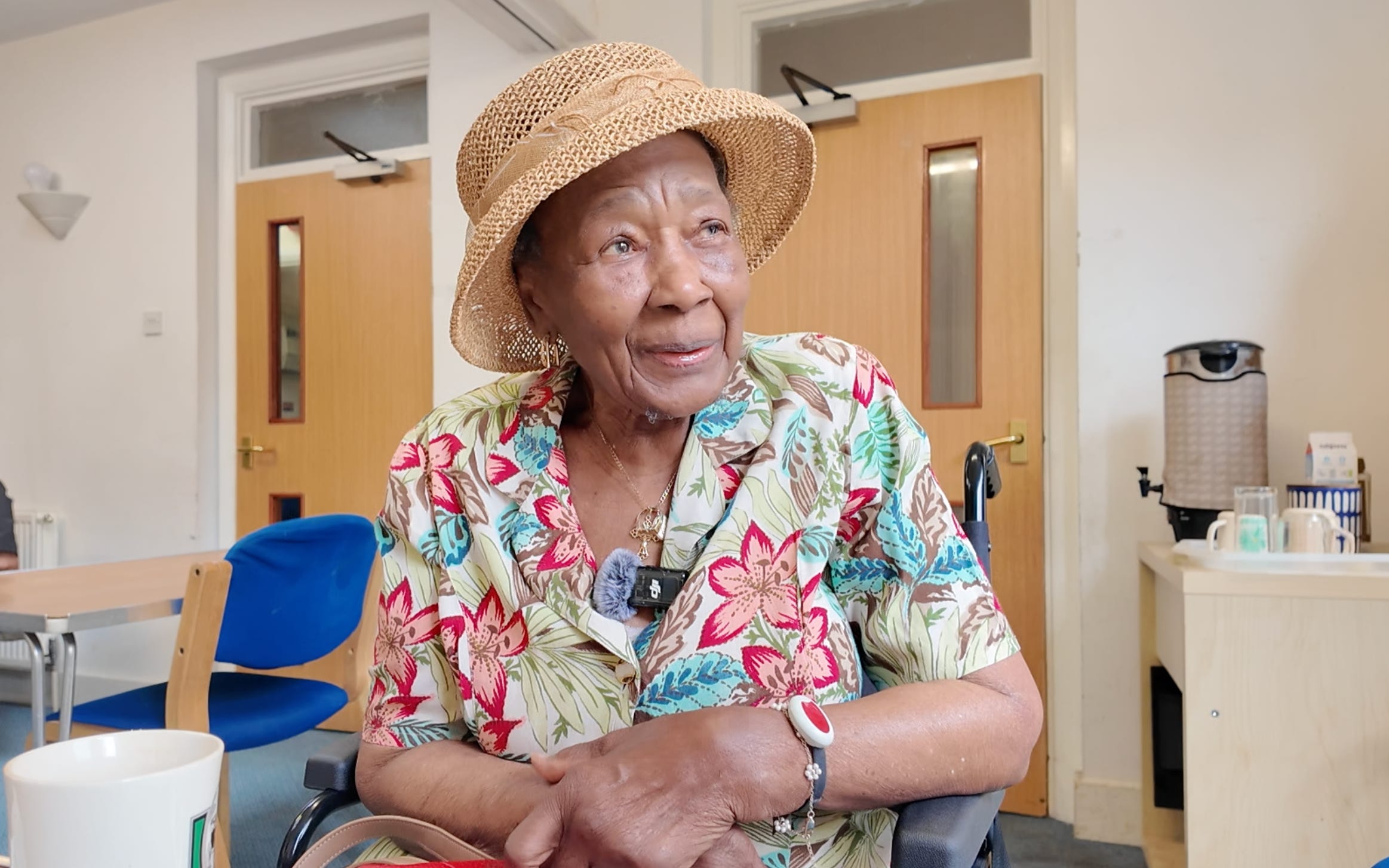
When Veronica McLean left Guyana for Britain in 1960, she was in her early twenties and ready for a new adventure. She travelled on a large Dutch ship with a group of friends — refusing to fly because she didn’t trust aeroplanes. Her husband had already arrived separately, studying mathematics at Cambridge University.
Like many young people in Guyana at the time, Veronica saw Britain as a place of opportunity. “A lot of people left the country to do nursing or some other kind of study,” she says. In Guyana, she had attended commercial school three times a week - something she is still proud of herself for. Before Veronica travelled to England, she decided nursing was the path for her. Armed with a reference from a doctor her mother worked for, Veronica arrived at a hospital, sat an entrance exam and passed. “Then I went to live on the wards,” she recalls.
Before arriving, Veronica hadn’t expected England to be very different from home. Friends who had travelled back and forth told her that life was much the same. The biggest surprise? “We thought all the houses were factories,” she laughs.
Veronica eventually “packed in” nursing, and found a new career at The Dorchester Hotel, where she worked for 16 years. “I had a good time working at The Dorchester, it was quite nice. The people were quite nice too.”
Later, she devoted her time to raising her family while her husband established his career as a solicitor.
Visits home were rare. "I never had much money to go back on holiday at that time," she says. "People who got kids couldn’t afford to travel." But she speaks about this without regret. Life, she says, was challenging wherever you were. "Everywhere was hard at the time. England as well. There were no beds of roses over here and no beds of roses there. Everywhere you went, same thing."
Veronica embraced the life she had built. "You got to get used to the place a little while and then move about and see what you can do."
Veronica says that she never regretted moving here.
Betsy Osbourne
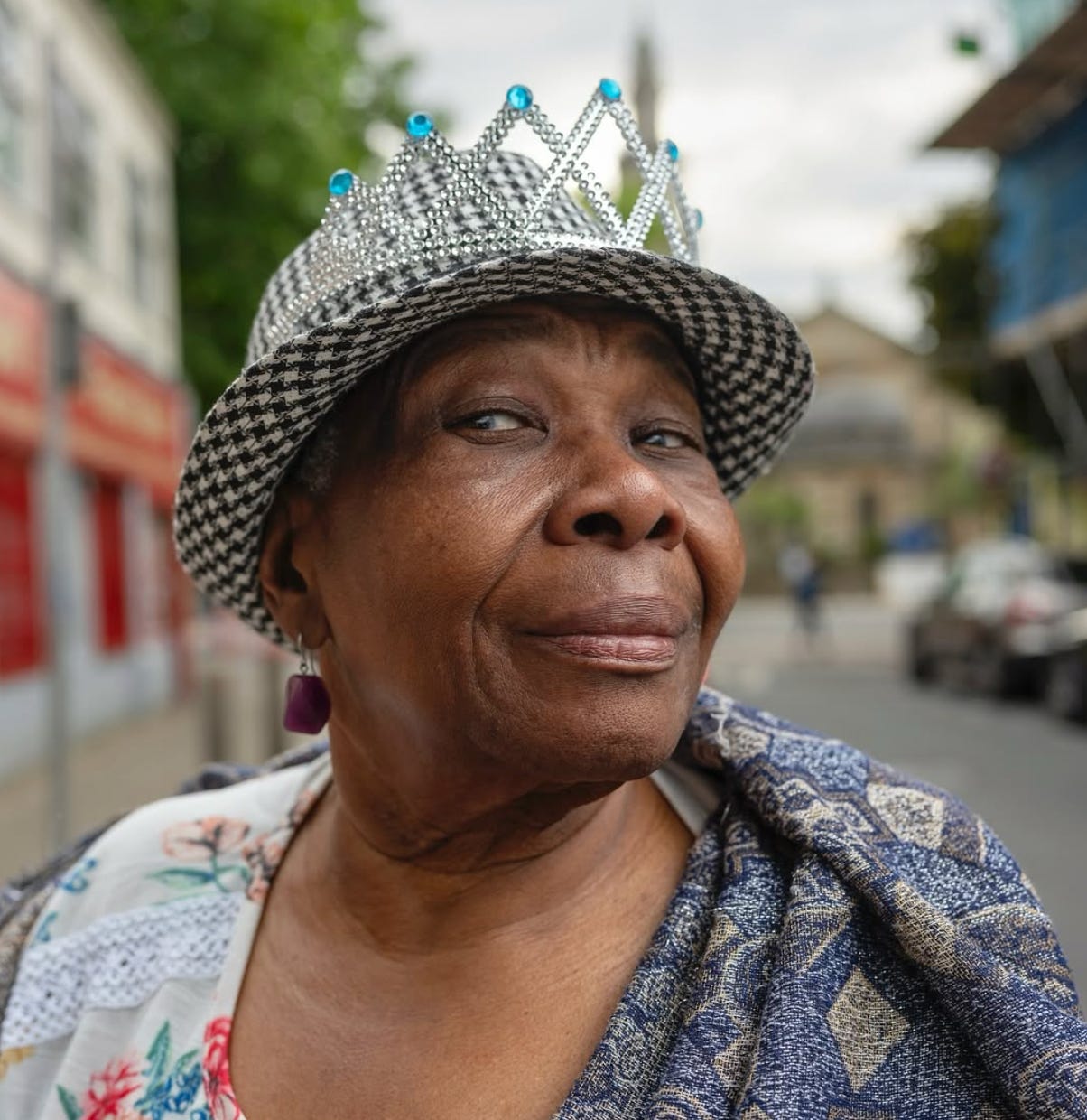
Betsy Osbourne was just 19 when she left Jamaica and came to Britain with her aunt.
“I suppose I came because I had family here,” she says. “As a young person, you want to venture out and see different things.”
What did she know about England before she arrived? “Nothing at all,” she laughs. And her first impression? “It was cold in London. Very cold.” In fact, she remembers turning to her aunt and saying, “I want to go home.”
But Betsy stayed. Within three weeks she had found her first job making injection needles, and she began to build a life for herself. Settling in was both easy and hard, she says. “Because I knew people, then you make more friends. And at the weekend, you go out and things like that.”
Over the years, Britain became home. Looking back now, Betsy is proud of the life she built through hard work and determination. “I am proud that I was able to work myself up and do something for myself, you know, make my life better. And have my four children.”
Zena Josiah
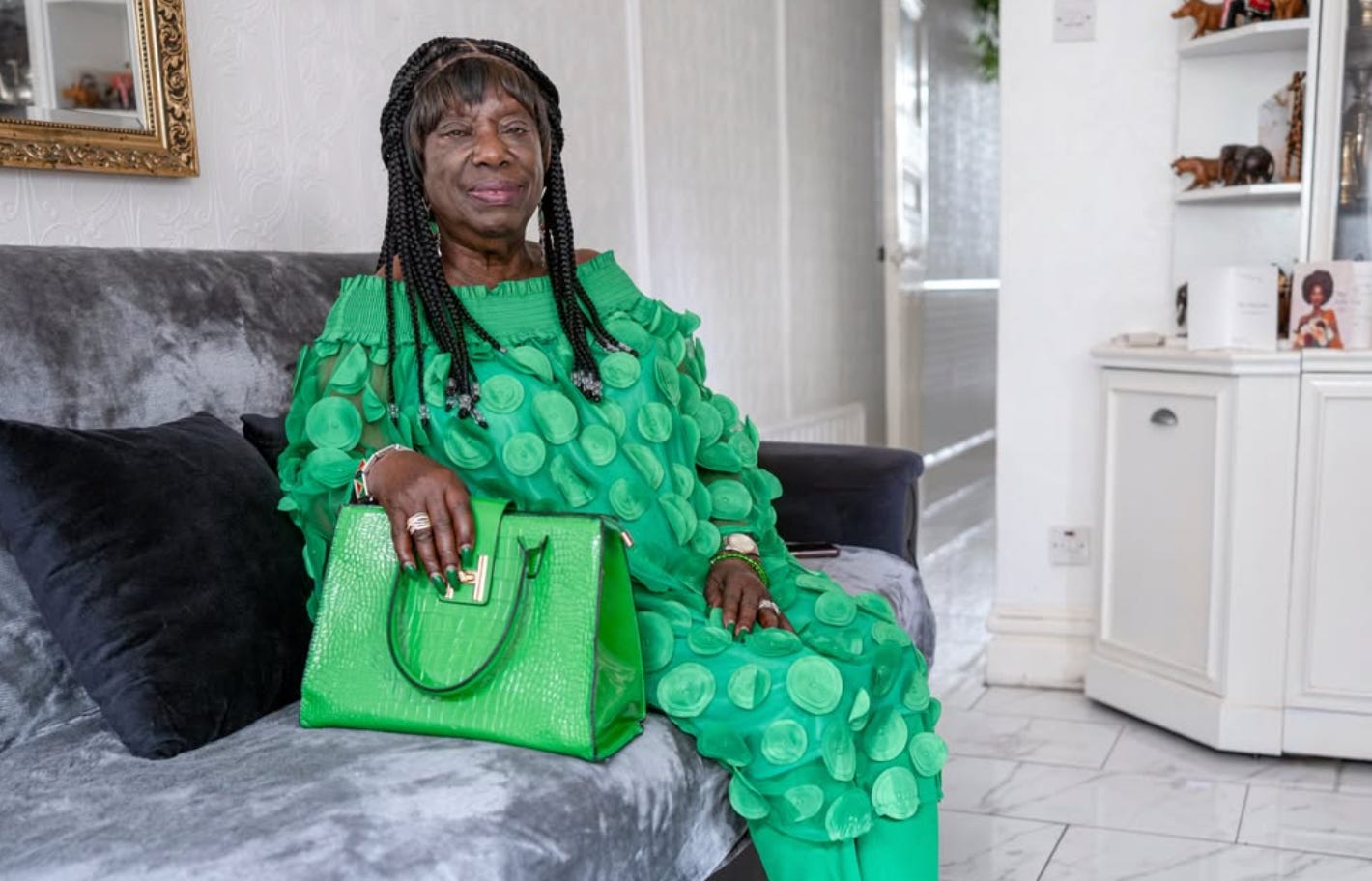
At 92, Zena Josiah still has the warmth, humour and energy of someone half her age. She talks to everyone on her street, knows all her neighbours and regularly hosts parties to welcome new people to the road. “I love life,” she tells us. “I love meeting people.”
But when Zena arrived in Britain from Guyana in April 1956, aged 22, life looked very different. She had travelled to join her fiancé, who had come to England three years earlier after the war to work in printing. Zena flew first to Trinidad, then boarded the SS Antilles for the journey to Britain. “Oh, I was sick all the way,” she laughs. “There were nine girls coming to join their fiancés and I was the only one that was sick.”
She arrived during what was apparently the hottest April England had seen. But much of Britain still came as a surprise. The houses especially. “At home you have garden space around you,” she says. “When I saw these houses joined together, I’d never seen that before.” She was also astonished by the crowds in London. Growing up in Guyana, she remembered seeing photographs of football matches and wondering, “Where are all these people coming from?”
Zena and her fiancé began married life in a single rented room, paying £2.50 a week. Then came a frightening setback when her husband became seriously ill and was hospitalised for a long period. “I thought he was going to die,” she says quietly. “I was very upset because I was here alone.” Thankfully, he recovered and together they carried on.
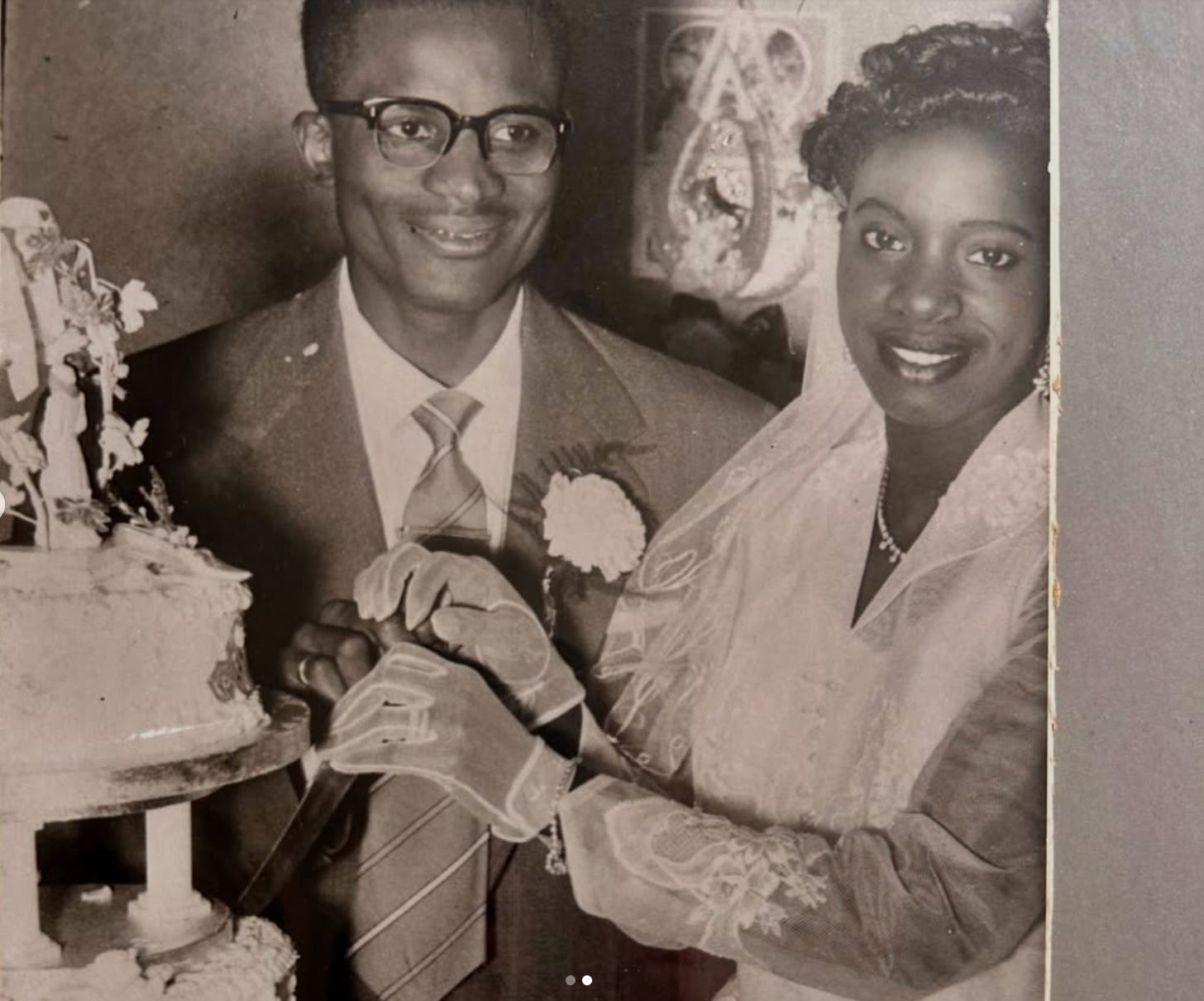
Zena threw herself into work, working in Junior Miss on Oxford Street. “Because I was so tiny, they used to use me like a model before the clothes went into the store,” she says with a smile. She worked long hours and took every bit of overtime she could while she and her husband saved for a home.
Eventually, they had enough money for a deposit on a house. But just before the sale completed, they were told expensive work needed to be carried out on the property — money they didn’t have. The next day, Zena went to work upset. Her employer, Mr Goldman, noticed immediately.
“He said, ‘Zena, you mean to tell me you have a problem and you didn’t come and ask me?’” she recalls. He sent his son to the bank to withdraw the money she needed. “When I went home with that, my husband was so shocked. We got the house.”
Zena still becomes emotional telling the story. “I’ll never forget that man,” she says. It was in that house that she and her husband raised their children and built the life they had dreamed of.
“I never thought I had made a mistake coming here,” Zena says firmly. Together, she and her husband worked hard, raised a family and achieved their goals. “I’m proud to know that my husband and I made it in life. Through it all, we made it.”
After working in fashion, Zena went on to spend 20 years working nights in a hospital before moving into care work, which she says she “really did love”. Now retired, she remains deeply involved in her community. Her beloved husband died five years ago, just short of his 90th birthday, but her optimism has never faded.
Her advice to younger generations is the same philosophy she has lived by all her life, “whatever you want to do, do it with confidence. Don’t be negative. Be positive in everything that you do. Don’t say you can’t do something. Do it and see how it works out for you.”
Alicia Henry
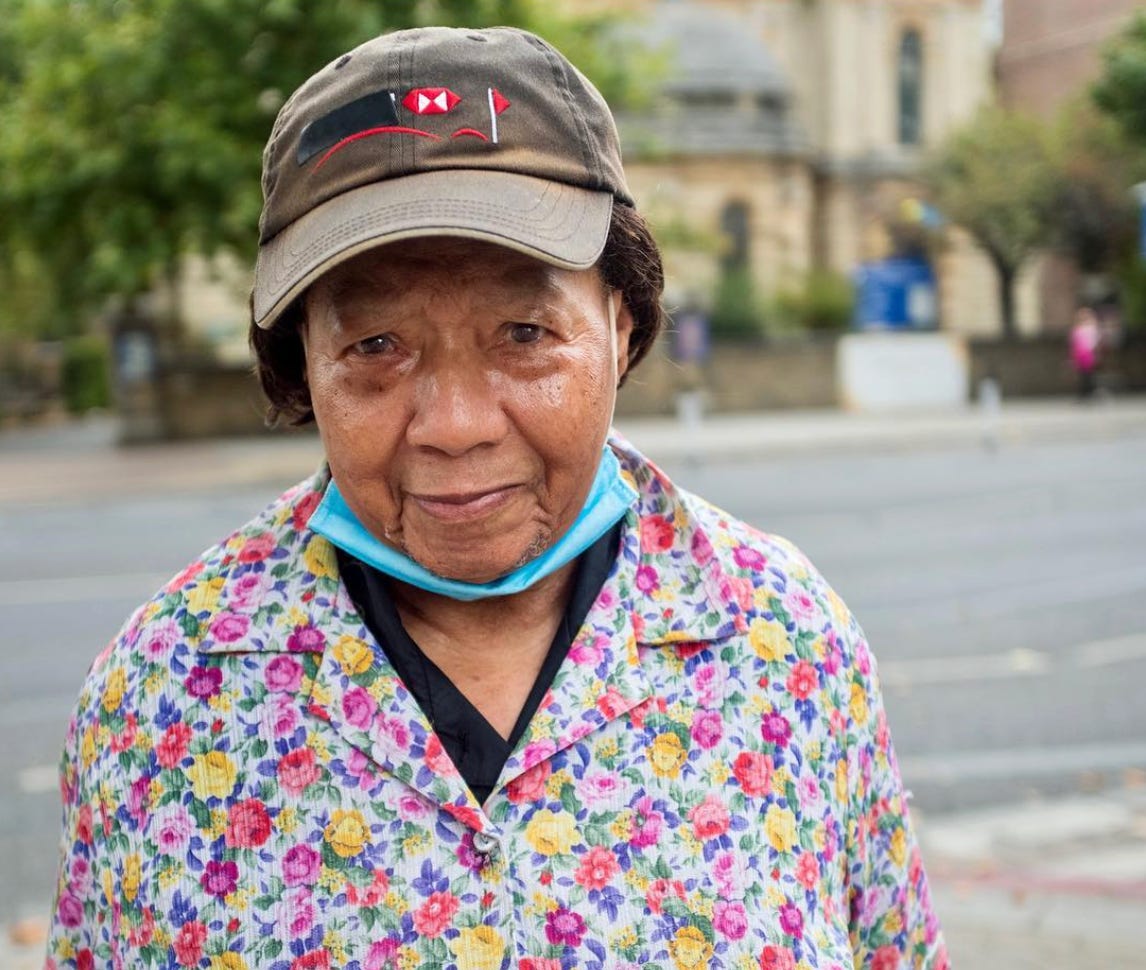
Alicia Henry was 25 when she left Guyana and came to Britain to train as a nurse. It was the early 1960s and life at home had become difficult. She was married with four children but saw nursing as her chance to build a future for herself and her family.
“I left the children with my parents and I came over,” she tells us matter-of-factly. She passed her entrance exam, moved into nurses’ accommodation and threw herself into her training. Within a few years, Alicia had secured a mortgage through the council and bought her own home in Battersea. She then brought her four children to Britain, alongside the baby she had in England. “So there were five of them I had over here,” she says proudly.
Supporting them all meant extraordinary sacrifice. Alicia worked night shifts for 25 years so she could be home with her children during the day. “I couldn’t do days because I’d have to pay somebody to look after the youngest,” she explains. “So permanent nights for 25 years.” Even now, she laughs, the routine has stayed with her, “That’s why now I can’t sleep at night.”
Life was not always easy. Her husband “went off with another woman” and she found herself raising five children and paying the mortgage alone. When the council questioned whether she could keep up the repayments, Alicia stood her ground. “I said, ‘What are you going to do for me? Are you going to take back the place?’” She set up a standing order, never missed a payment and “never heard from them again.”
Nursing remained her passion throughout it all. She went on to specialise in burns and plastic surgery at Stoke Mandeville Hospital, a career she still considers her greatest achievement. “What I’m most proud of is my work,” she says simply.
As her children grew up and married, Alicia downsized to a smaller home in Croydon and found time to travel, visiting Guyana, Canada, America, Ireland and Australia, where her youngest daughter was living.
Then, just before her 90th birthday, Alicia discovered a lump on her arm. It was cancer. Faced with the possibility that it could spread, she made the decision to have her arm amputated at the age of 89.
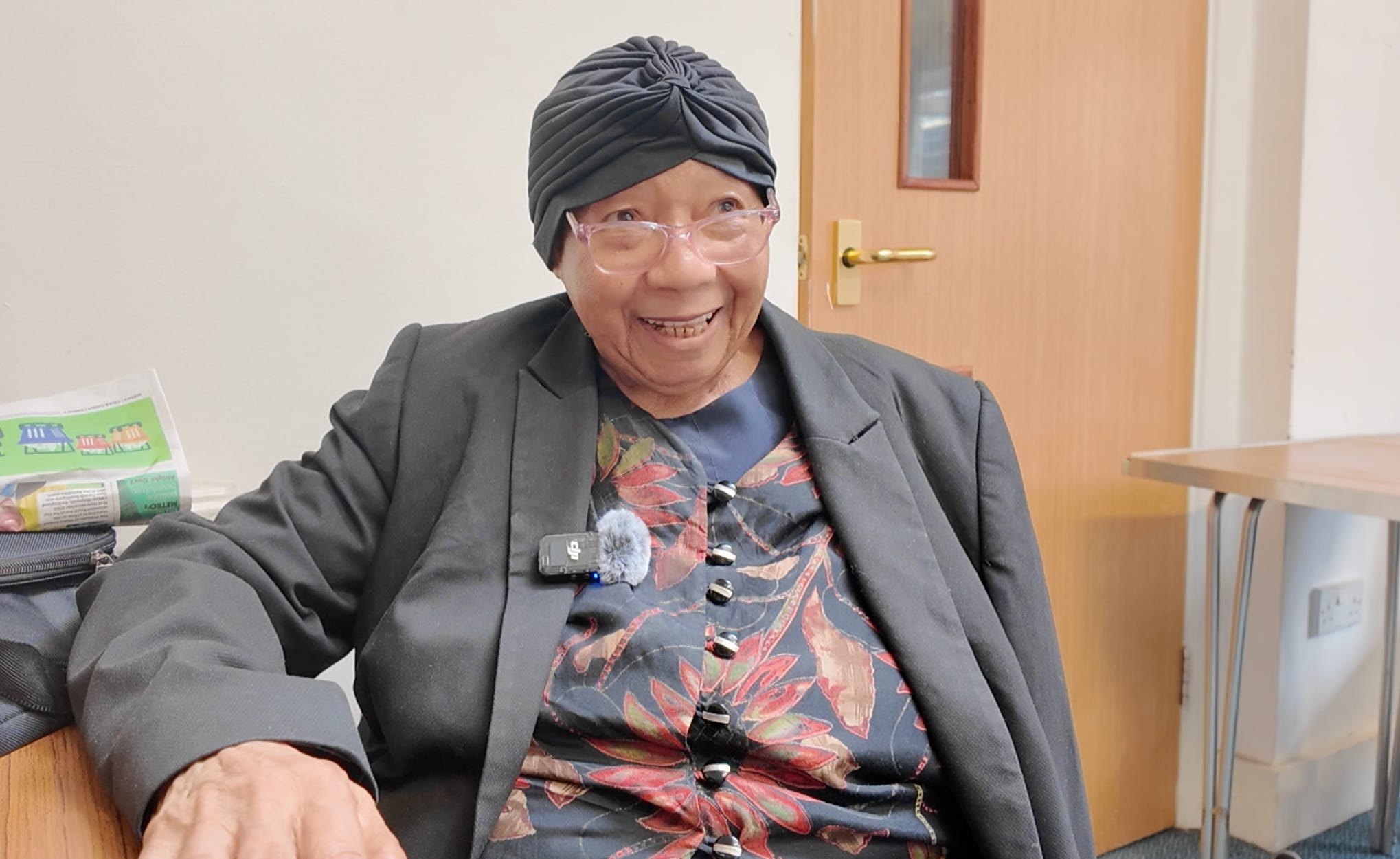
Alicia - and indeed all the women we met at The Positive Network - have stories that are full of hardship, sacrifice and obstacles that would have defeated many people. Yet they tell them with humour and immense pride in what they achieved. Their resilience, work ethic and determination to build better lives for themselves and their families are the very essence of the Windrush generation and the extraordinary contribution they made to Britain.
The group is now raising funds to secure a permanent home of its own, so it can continue supporting members and expand its vital work — any donation would help make that possible.
