
Six good news stories from May that actually matter for women
We’re highlighting the brilliant, barrier-breaking things women have been doing recently - and you MAY discover something you didn’t know you needed.

The news can feel much the same as the weather in May: unpredictable, and not always matching the mood you’d hope for at this time of year. But in amongst it all, there are always stories worth noticing.
Once again, women have been pushing forward in science, sport, politics, health, and culture in ways that don’t always make the loudest headlines.
Think of this as your monthly reminder: the good stories are out there. You just have to know where to look.
PMDD research finally takes women’s symptoms seriously

For years, premenstrual dysphoric disorder (PMDD) was largely dismissed as an extreme hormonal imbalance or written off as “bad PMS”. But researchers are now building a much clearer understanding of the condition, which could change how women’s health is treated. Studies show that women with PMDD often have typical hormone levels. The difference lies in how the brain and body respond to those hormonal shifts, particularly in systems linked to mood, stress, sleep and emotional regulation.
This understanding is important as PMDD can be debilitating, causing severe depression, anxiety, rage, hopelessness and even suicidal thoughts that interfere with work, relationships and daily life. Researchers are now exploring links to genetics, circadian rhythms and melatonin production, helping explain why symptoms can worsen with poor sleep or seasonal changes. It’s a significant shift away from decades of minimising women’s experiences and toward recognising PMDD as a serious neurological and psychiatric condition that deserves proper research and support.
Girl Scouts turn cookie sales into 3D-printed wheelchairs for children
A Girl Scout troop in Dorchester, Boston, USA used profits from their annual cookie sales to purchase a 3D printer and build “Toddler Mobility Trainers” - custom mobility chairs for children with disabilities. Using open-source designs from MakeGood Inc., the Scouts are able to produce nearly every part of the chairs through 3D printing, aside from the wheel bearings and hardware, making mobility aids more affordable and accessible for young children. Once assembled, the chairs are matched with local families in need.
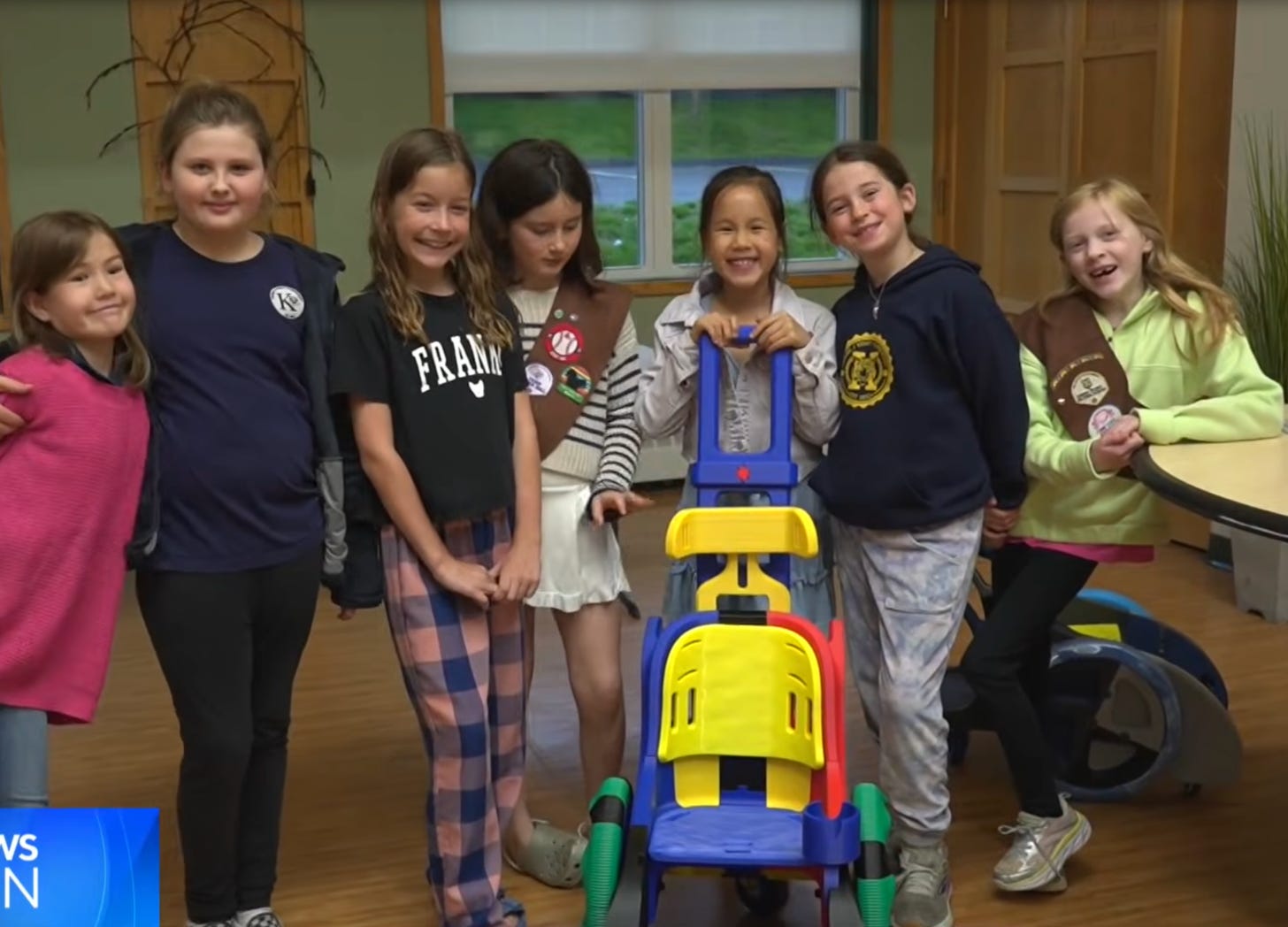
The project is an amazing example of how accessible technology and community-driven effort can make a meaningful difference for children and their families.
European Parliament backs consent-based definition of rape
Okay, this technically happened at the end of April… but when 447 members of the European Parliament vote in favour of a consent-based definition of rape, we’re allowing ourselves one calendar-related exception.
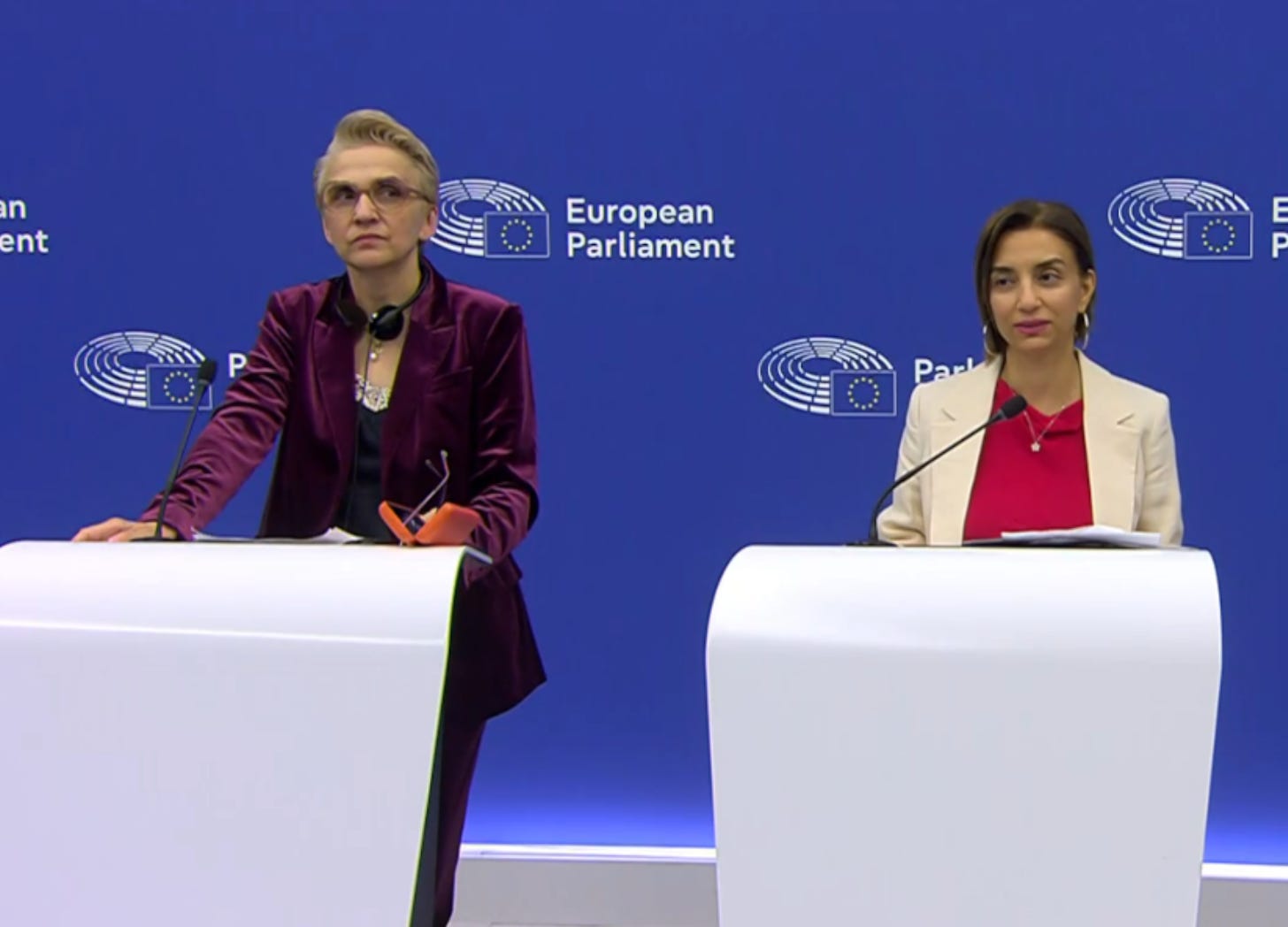
The proposal calls for a standardised EU definition centred around the principle that “only yes means yes”, pushing member states away from outdated laws that still require victims to prove force, resistance or physical struggle. Supporters say women shouldn’t lose legal protections simply by crossing a border within Europe.
The vote reflects a broader cultural shift around consent, partly shaped by the global response to French survivor Gisèle Pelicot and increasing pressure to recognise that rape is defined by the absence of consent, not whether a victim fought back “enough”. It may have arrived a few days early for our May roundup, but it felt too important to leave out.
PCOS renamed to reflect the reality of the condition
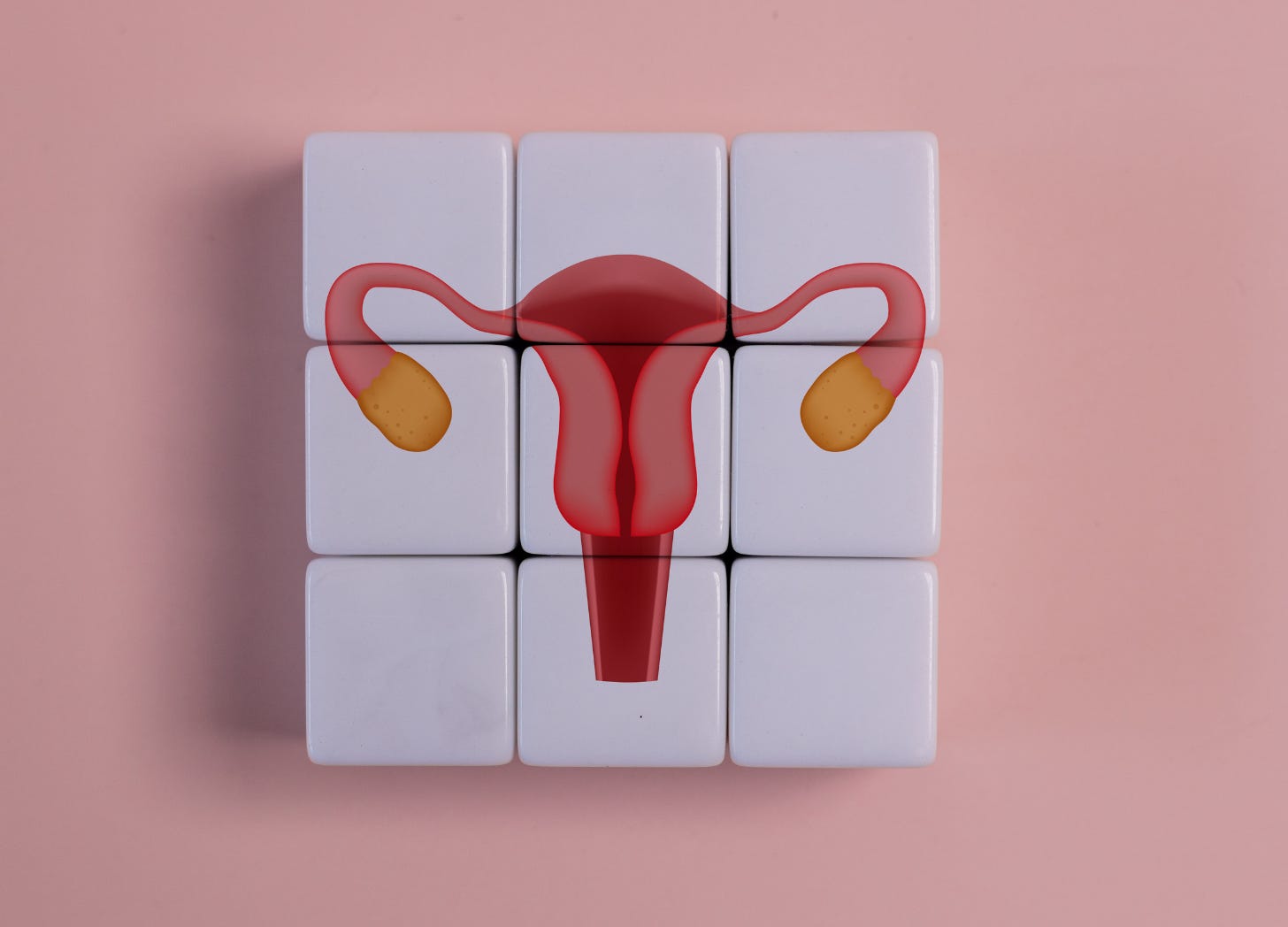
Polycystic ovary syndrome (PCOS), which affects an estimated 170 million women worldwide, has officially been renamed polyendocrine metabolic ovarian syndrome (PMOS). The change reflects a growing understanding that the condition is not just a reproductive or gynecological issue, but a complex disorder that can affect hormones, metabolism, fertility and mental health.
The renaming initiative, led by Helena Teede and published in The Lancet, aims to improve diagnosis and treatment by giving doctors and patients a more accurate understanding of the condition. Many women have struggled for years to have their symptoms taken seriously but this shift signals we are getting closer to recognising the complexity of women’s health conditions, rather than reducing them to fertility alone.
Women’s sportswear redesigned around women’s bodies
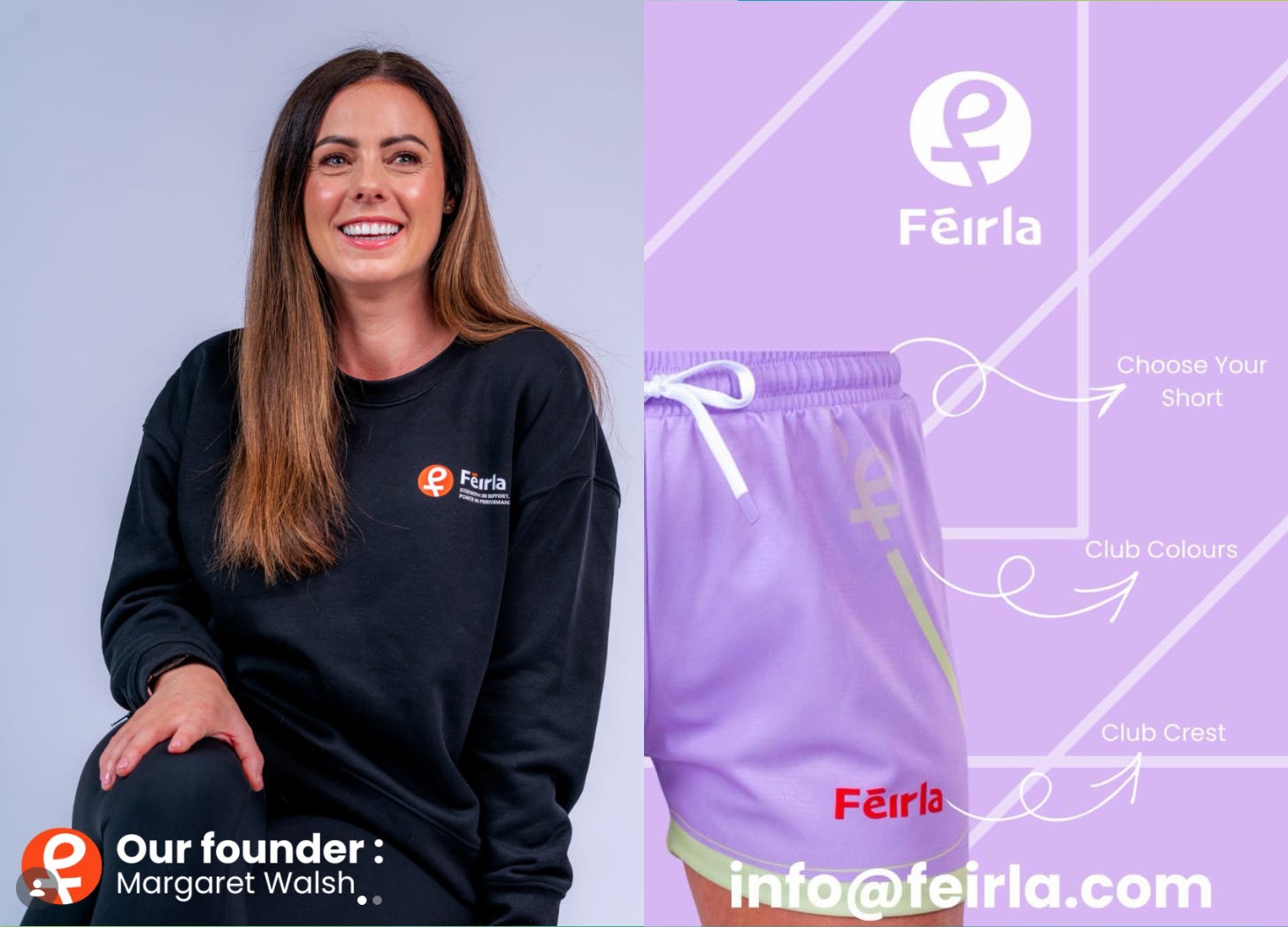
In Ireland, physiotherapist Margaret Walsh is using her company Feirla to help reshape girls’ sport by designing sportswear specifically for female athletes, including Ireland’s first period-proof shorts for Gaelic games. The idea emerged after growing frustration over uncomfortable uniforms designed around male bodies.
“It was about listening to what girls and women were actually experiencing at those stages and responding to that,” Margaret told Irish Country Magazine. “At its core, it comes back to giving female athletes a choice.”
Feirla developed multiple styles to suit different needs, including higher waistbands for support, compression fits, and cuts designed specifically for female proportions.
Margaret’s work addresses a major reason many girls drop out of sport during puberty - discomfort, body image anxiety, and uniforms that don’t work for them.
“When players have choice, they feel more comfortable,” she said. “And when they feel comfortable, it allows for greater confidence and ultimately better performance.”
Harvard researchers receive major recognition for their “vagina-on-a-chip” breakthrough
Scientists at Harvard Medical School and Boston Children’s Hospital have received well-deserved recognition in 2026 for their 2022 breakthrough invention, the world’s first “vagina-on-a-chip.”
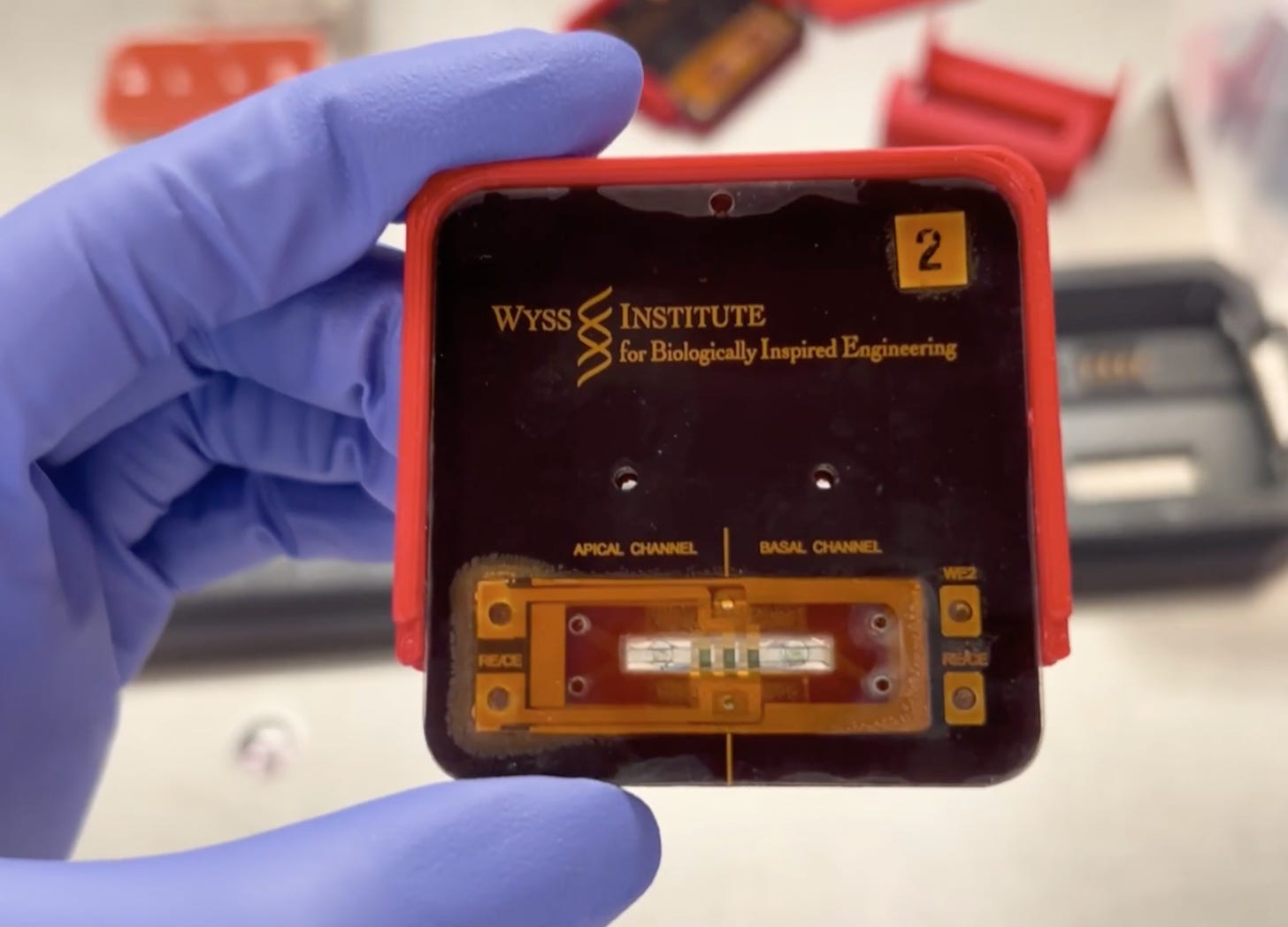
The device is a lab-grown model made from human cells, roughly the size of a USB stick, that mimics key features of the female reproductive tract. It allows researchers to study how vaginal tissue responds to hormones, infections, medications, and healthy bacteria, offering an alternative to traditional animal testing, which has historically been used despite major biological differences between animals and humans.
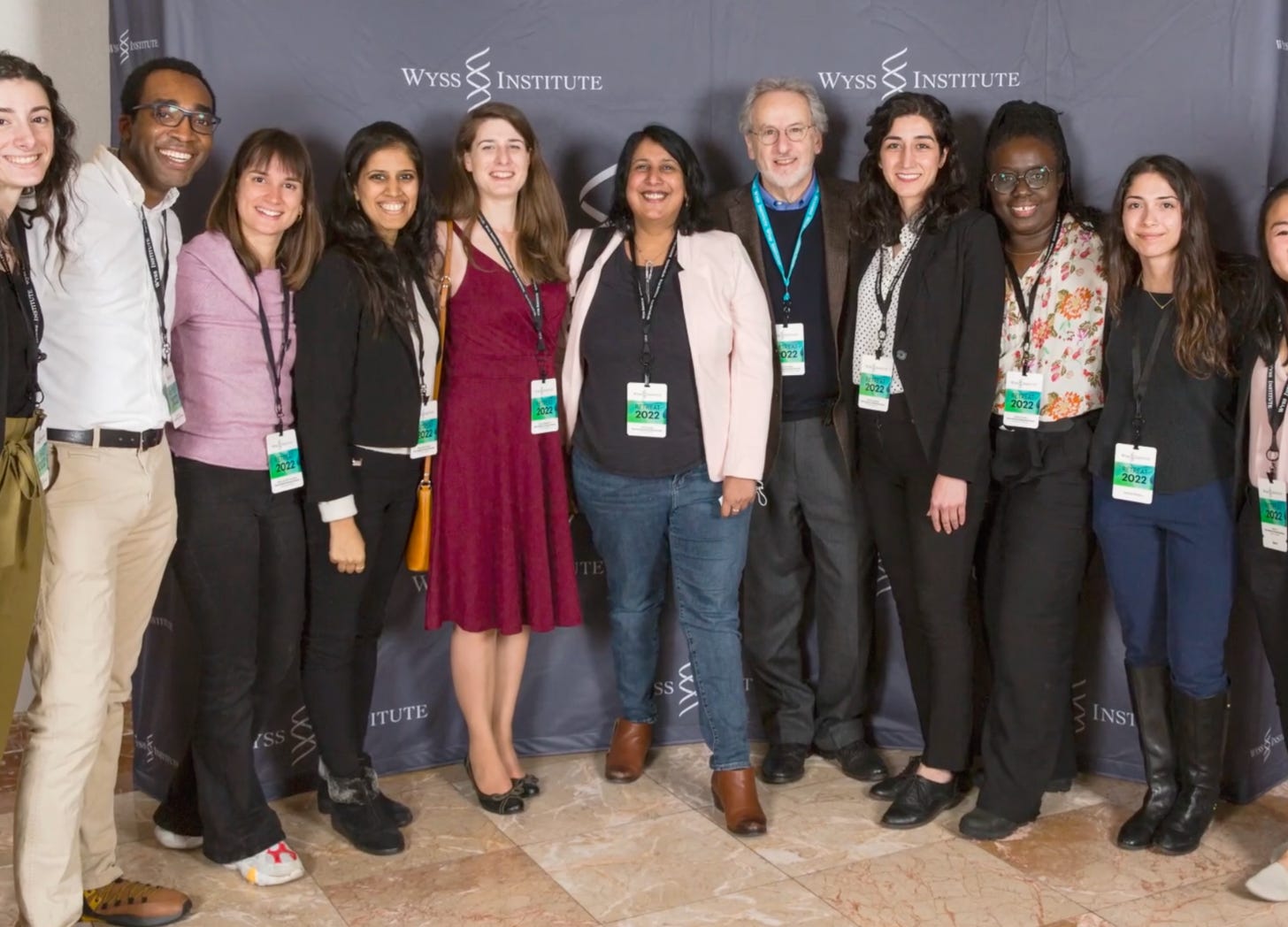
The Lush Prize, which supports advances in cruelty-free science and alternatives to animal testing, recognised the work for its potential to improve women’s health research and deepen understanding of conditions affecting the vaginal microbiome, reproductive health, and chronic illness, while helping guide the development of more targeted treatments for women.
This is your reminder that women are behind so many of the good things that are happening. Share this article with friends, family, or anyone who could use a reminder that progress is still being made, even when it can feel slow.
And if you’ve got stories of your own - from your community, your industry, or anywhere in the world - send them our way. We might include them in next month’s round-up. The news headlines tend to amplify the worst, but we’re just as committed to documenting the better.
