
Six good news stories for women from June
💪 A roundup of women-led progress across science, sport, politics, health and culture this month


If you’re in the UK and you’re reading this, congratulations for making it through a very sweaty June. The sun has been doing its absolute most, and public transport has been questionable at best.
Through a heatwave, it’s never a bad idea to pause for some good news — and June delivered plenty of it. Across science, sport, politics, health and culture, women have been driving progress, and we’ve pulled together some of our favourites for you here.
Consider this your monthly good news reminder.
No women aged 20–24 in England have died from cervical cancer for the first time, thanks to HPV vaccine
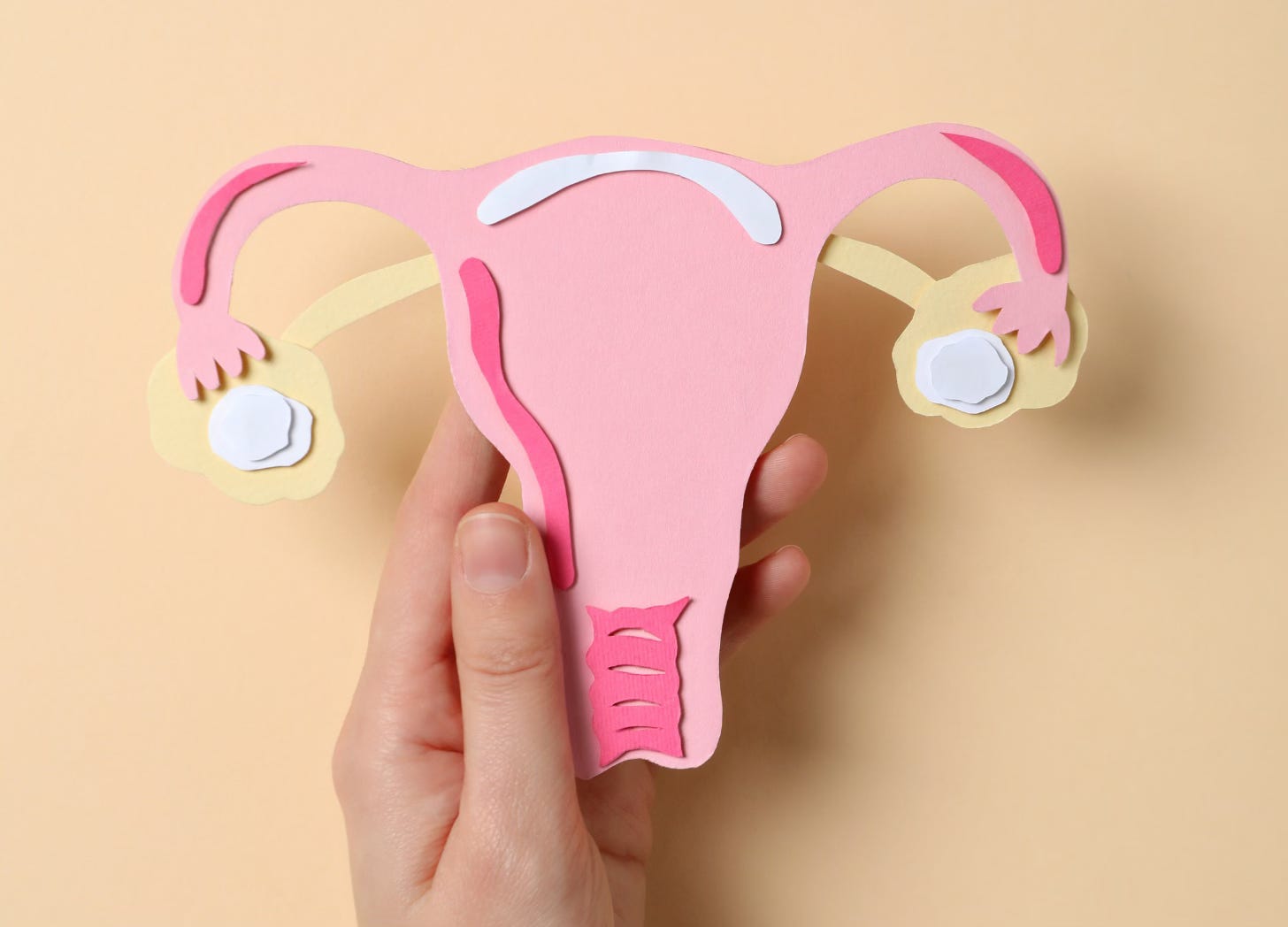
A landmark study funded by Cancer Research UK shows the HPV vaccine is making cervical cancer increasingly preventable, with researchers highlighting a major milestone: between 2020 and 2024, no women aged 20–24 in England died from the disease.
England introduced routine HPV vaccination for 12–13-year-olds in 2008, and since then an estimated 200 lives have already been saved. Researchers say this outcome would not have been possible without widespread vaccination, with early data showing near-elimination of cervical cancer deaths in those vaccinated at a young age.
The findings underline the life-saving impact of early prevention, with experts pointing to the vaccine as a breakthrough in protecting future generations from a disease that is now largely preventable.
All-female refereeing team makes history at FIFA Men’s World Cup for second time
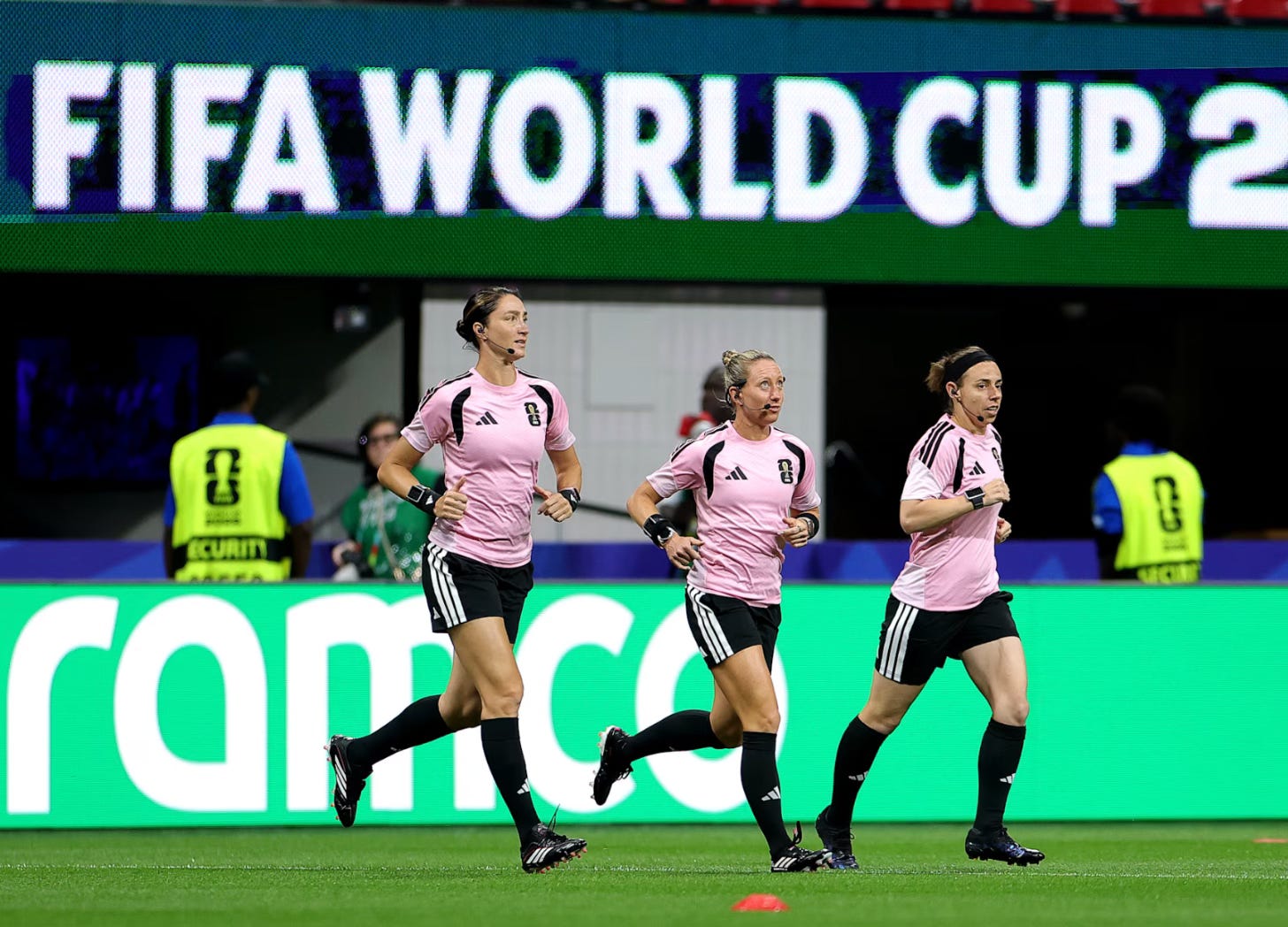
For the second consecutive men’s FIFA World Cup, women have made refereeing history after an all-female officiating team took charge of Czechia’s 1–1 draw with South Africa on 18 June. The match was overseen by referee Tori Penso, alongside assistants Brooke Mayo and Kathryn Nesbitt, marking only the second time in the tournament’s history that an all-women crew has officiated a game.
It follows the first introduction of women referees at the men’s World Cup in Qatar 2022, when Stéphanie Frappart, Neuza Back and Karen Díaz took charge of Germany vs Costa Rica.
Reflecting on the experience, Mayo said, “Most of the time, I don’t think about it. We are just a team of officials.”
“But then you have an instructor come up and ask for a picture because his daughter is inspired by us, thousands of miles away.”
“Or an older female FIFA volunteer, pulling you aside and saying how proud she is to see women at this level and how it never seemed possible when she was younger,” she added. “So even though I view us as just a normal trip that has earned their place at this FIFA World Cup, I know we represent something bigger than ourselves.”
Across the United States, Canada and Mexico, women are forming a growing pool of match officials at the highest level, including Katia García, Sandra Ramírez and video official Tatiana Guzmán.
South Africa’s freelance gender pay gap is among the lowest globally

South African women in the freelance market earn just 3.9% less per hour than men, according to Remitly for Freelancers. This narrow gap positions South Africa as second worldwide for gender-balanced freelance pay and highlights the country as one of the strongest performers globally for pay equality in the gig economy.
In some fields, including consulting and marketing, women are even earning as much as or more than their male counterparts. This progress is being driven by strong education outcomes, improved internet access, and a growing supportive freelance community.
Olivia Rodrigo announces all-female music festival with 100% of proceeds supporting women and girls
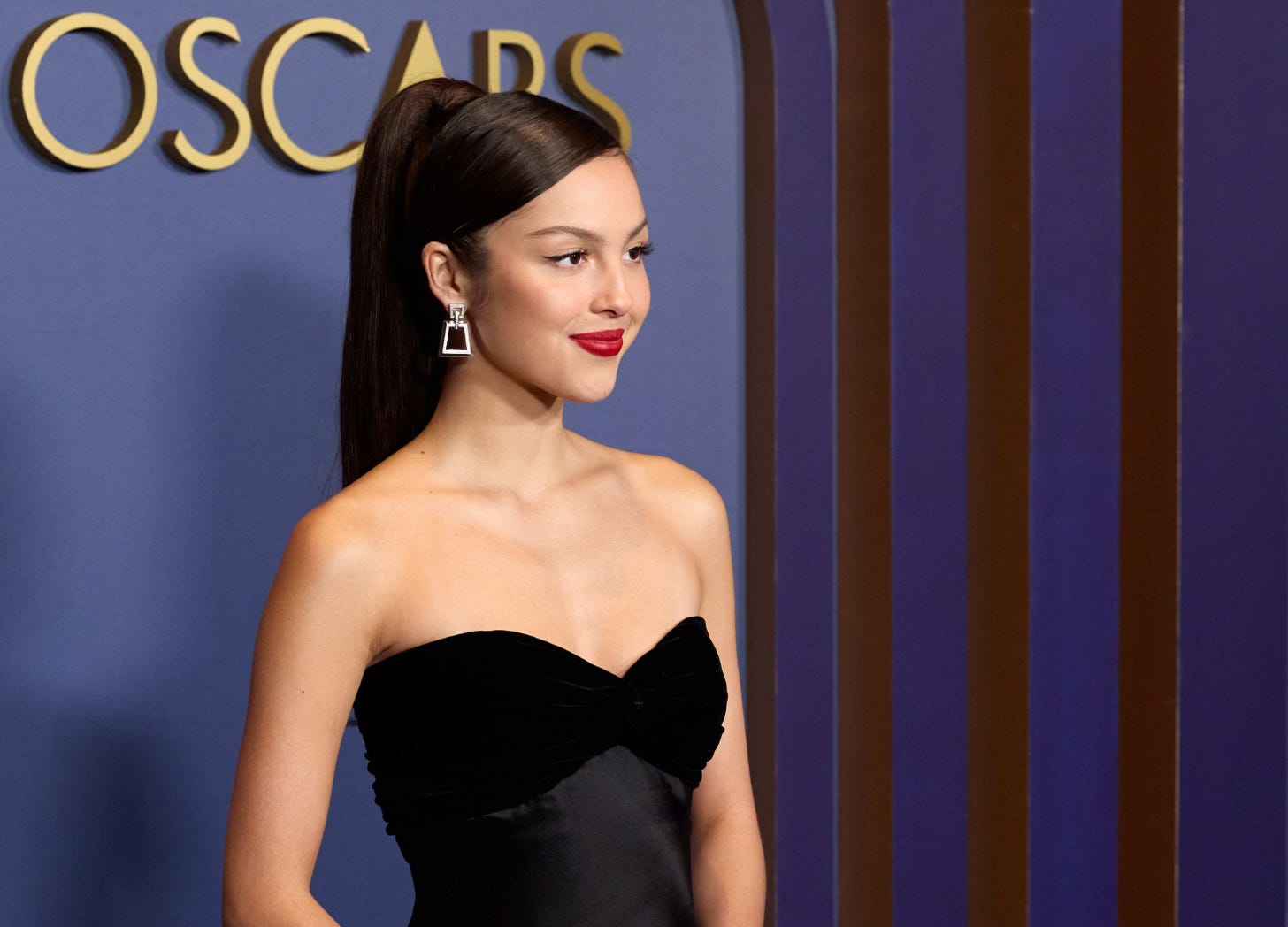
Olivia Rodrigo has announced Daisy Chain Fields, a new music festival featuring an all-women line-up of artists she calls her “heroes and friends”, including Stevie Nicks, Chappell Roan, Doechii, Mitski and Bikini Kill.
Inspired by Lilith Fair (a festival which musician Sarah McLachlan co-founded after music industry executives claimed that female artists couldn't sell as many tickets as their male counterparts) Daisy Chain Fields will donate 100% of its net proceeds to charities supporting women and girls, with every artist performing free of charge.
Olivia said she named the festival Daisy Chain Fields to reflect the idea of women “being strong and beautiful together.”
“I just feel like we need something really positive to do and see,” she said. “Young girls need awesome role models who are supporting other women and engaging in something that’s really joyful, musical and community-oriented.”
“I firmly believe that joy, community and music can be the drivers of meaningful change,” Olivia added, saying she’s dreamed of creating the festival for years.
Colombia becomes first in Latin America to ban FGM
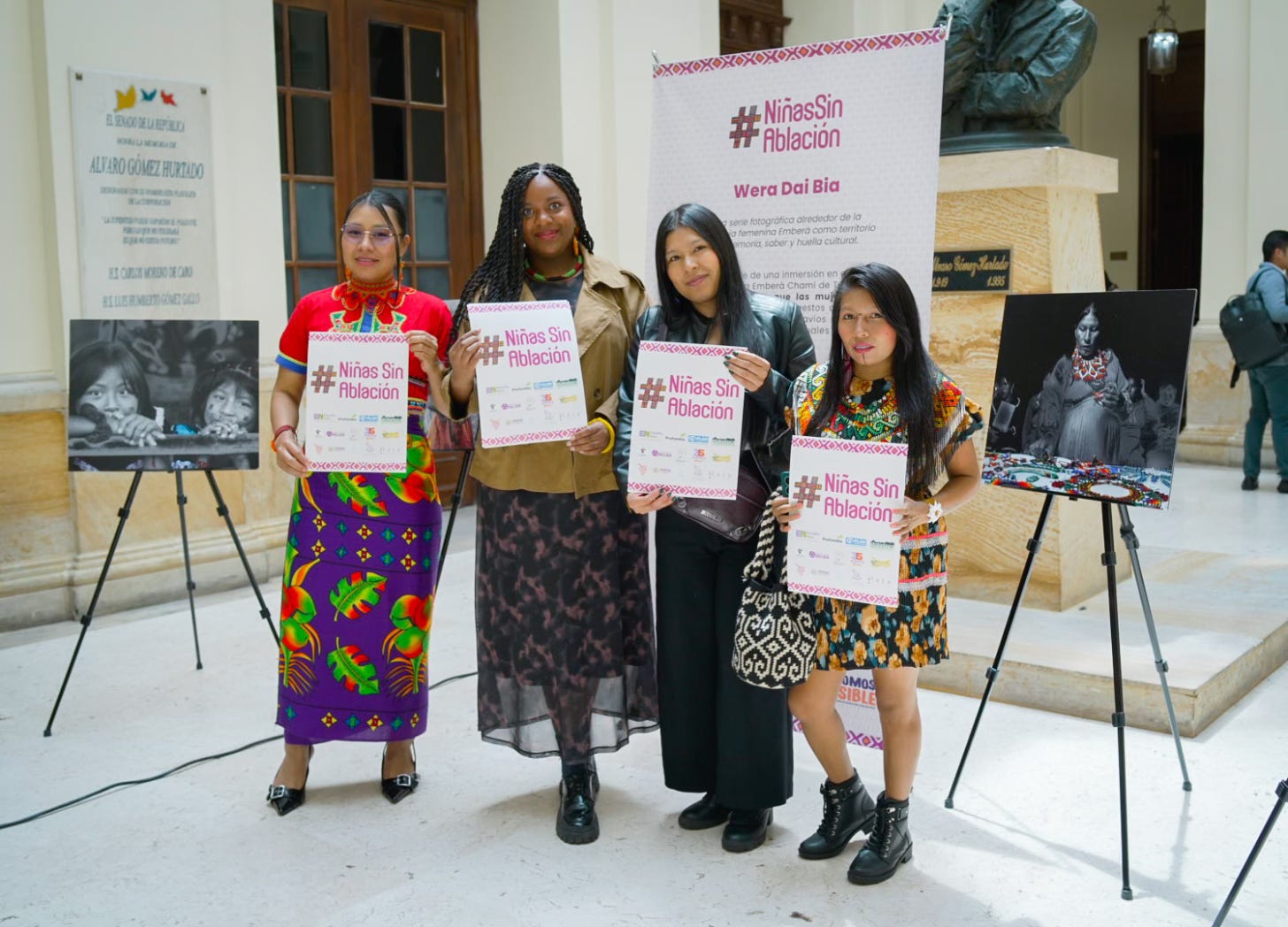
Colombia has made history by becoming the first country in Latin America to pass dedicated legislation aimed at preventing and eradicating female genital mutilation (FGM).
The law, approved by Congress, targets a harmful practice that affects millions of girls and women globally and has also been reported within Colombia, including among members of the Emberá Indigenous community. FGM involves the partial or total removal of external female genitalia and is recognised by the WHO as a form of gender-based violence.
The legislation was strongly driven by Emberá women, who led years of advocacy calling for state action. “This is not a cultural practice, absolutely not. It is a harmful practice that was imposed on our communities,” said Juliana Domico of the National Confederation of the Peoples of the Great Emberá Nation.
The new law introduces a national prevention policy, mandatory healthcare protocols, improved data collection, and community-led education programmes focused on an intercultural and rights-based approach.
Officials say the move marks a major step forward in protecting girls and women and tackling a practice affecting more than 200 million people worldwide.
Japan’s youngest female mayor takes maternity leave in rare political first
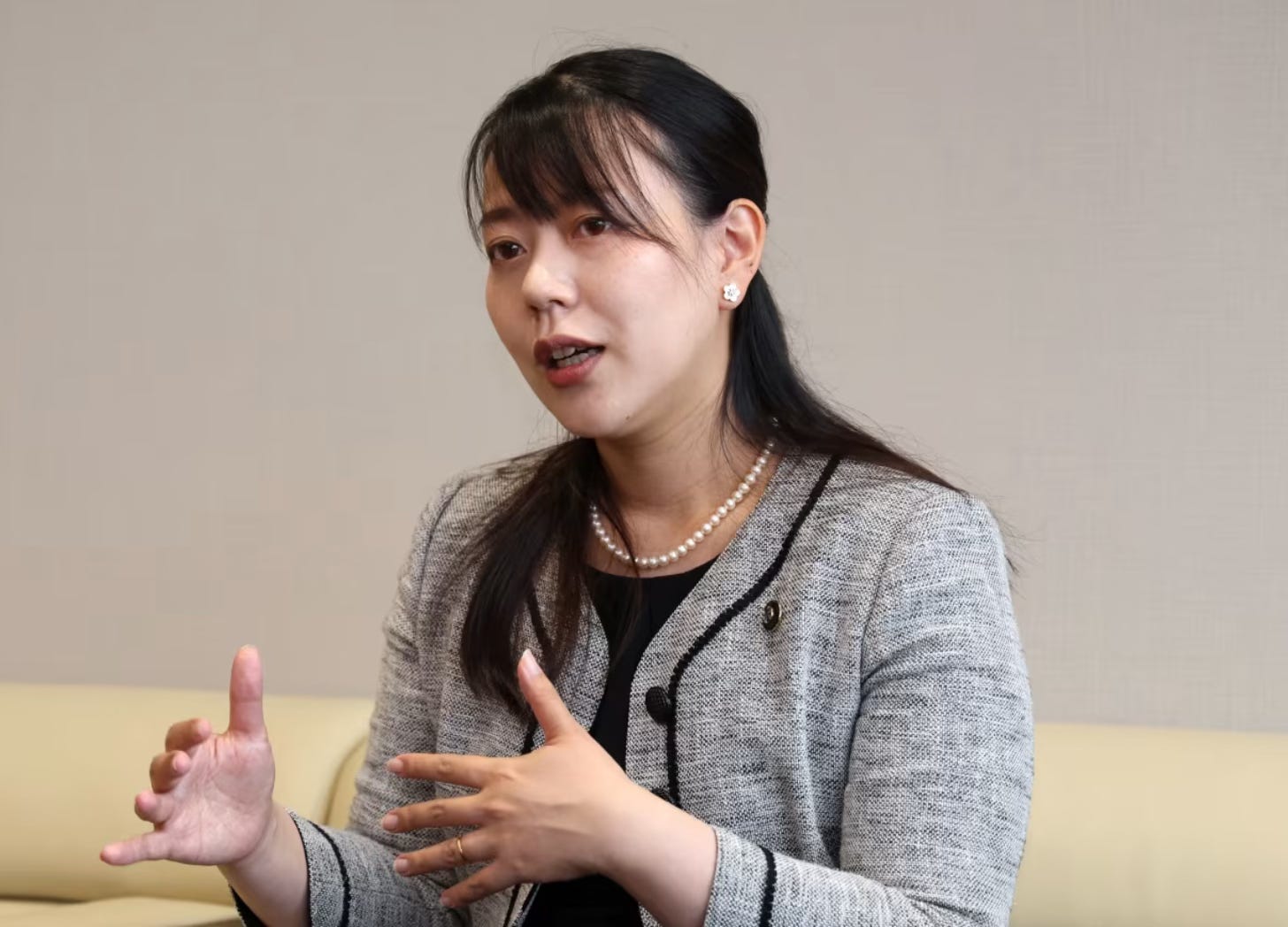
Shoko Kawata, 35, mayor of Yawata in Kyoto Prefecture, will take 16 weeks of leave (eight before and eight after childbirth), highlighting a gap in Japan’s political system, which has no formal maternity leave framework for elected officials. She is believed to be the first sitting mayor in Japan to have done so.
Shoko said women should not be forced into choosing between career and motherhood. “If they want to have a baby, they have to give up their career, or if they want to pursue a career, they have to give up having a baby,” arguing against an “either-or choice.” She added: “We are now working to improve this situation little by little, and I believe we are moving toward the design of systems aimed at achieving proper gender equality.”
Her decision comes amid slow but visible shifts in gender representation in local politics. Researcher Stefanie Schwarte of Ludwig-Maximilians-Universität points out that while Japan has been slow on gender equality, more women are entering and staying in political leadership roles. The number of female mayors has risen from around 50 to nearly 80 out of more than 1,700 municipalities in the past five years, with many now serving multiple terms.
The move also sits against the backdrop of Japan’s declining birth rate, with just 671,236 births recorded in 2025, the 10th consecutive yearly drop.
Shoko said she hopes her decision can help normalise parenting alongside public leadership and act as a “catalyst for changing the system”.
This is your reminder that women are driving SO much of the progress happening around us. Share this with friends, family, or anyone who could use a good news reminder.
And if you’ve got stories of your own - from your community, your industry, or anywhere in the world - send them our way. We might include them in next month’s round-up. The news headlines tend to amplify the worst, but we’re just as committed to documenting the better.
