
Sex, intimacy and connection - 7 ways to improve your relationship
According to Netflix's Sex Education intimacy co-ordinator Ita O'Brien


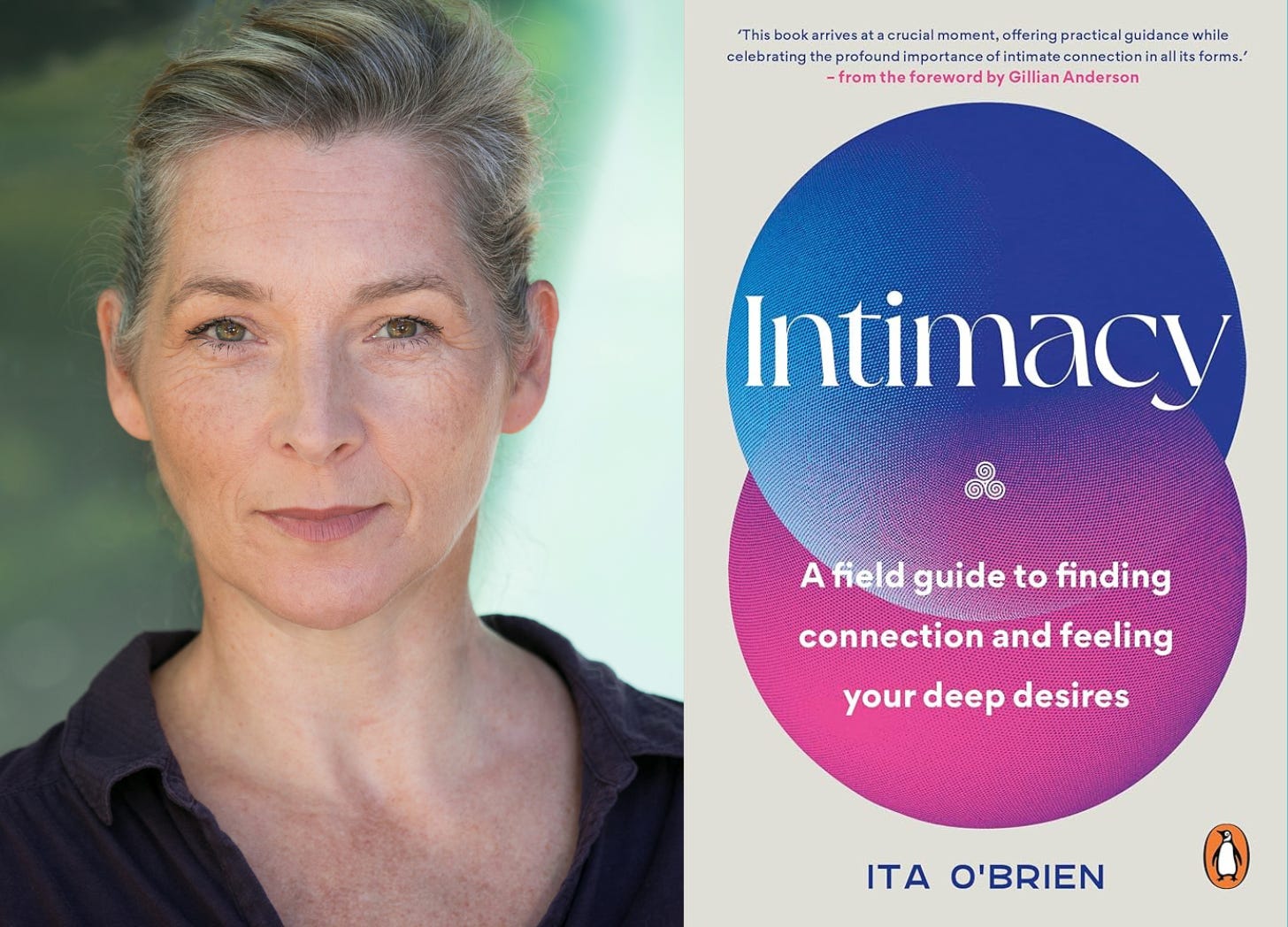
For years, intimacy co-ordinator Ita O’Brien has helped reshape how intimacy is choreographed on screen, developing industry-leading guidelines across film and television that create safer, clearer and more respectful working environments for actors. Having worked on TV shows such as Normal People, Sex Education and I May Destroy You, her book Intimacy: A Field Guide to Finding Connection and Feeling Your Deep Desires takes those same principles and applies them beyond the screen, offering ways to reconnect with yourself and others in everyday life.
Speaking about what helps people find more connection, pleasure and intimacy, Ita’s advice is simple and accessible. At its core, it comes back to one thing: paying attention. Whether you’re looking to deepen a long-term relationship or rekindle a sense of closeness, these are ideas anyone can bring into their own life.

Put your phone away
The first thing Ita recommends is removing one of the biggest barriers to connection: “We live on our screens.”
While technology can bring people together, Ita believes it’s important to recognise what it can take away too. Constant notifications, endless scrolling and divided attention make it harder to be fully present with the people around us.
“If you want to really be with your partner, then [it’s about] being present in yourself.”
The advice is straightforward. If you’re spending time with someone you care about, put the phone down.
Be present
Being physically beside someone isn’t the same as being mentally present.
For Ita, intimacy starts with paying attention to what’s happening in the moment rather than rushing ahead to what might happen next.
One exercise she recommends is taking “20 connective breaths” - a simple pause to reconnect with yourself before connecting with somebody else.
“It’s both honouring yourself to be present and then it means you’re really honouring your partner.”


The goal isn’t to perform intimacy, it’s to experience it.
Listen to yourself
One of the strongest themes running through Ita’s work is that many people stop listening to their own bodies.
Instead of focusing on expectations or assumptions, she encourages people to get curious. “What do I want? What do I desire? What’s worked for me?”
It sounds obvious, but many people spend years learning how to please other people without properly understanding themselves first.
The better you understand your own body, boundaries and preferences, the easier it becomes to communicate them.
Stop assuming your partner can read your mind
According to Ita, one of the biggest myths about intimacy is that people should instinctively know what their partner wants.
She describes a feeling that, “we should just know. We should just assume. It should just happen. It should just be spontaneous.”
In reality, Ita says, knowing what you want - and expressing it - is a skill.
Whether it’s a desire, a boundary or simply something you’ve enjoyed before, understanding it yourself is the first step towards sharing it with someone else.
“My partner and I find it easier if we go for a walk. So going for a walk in the woods is a really lovely way to just talk about what you want.”
For many people, intimate conversations feel less intimidating when they happen naturally.
Dance more
One of Ita’s more unexpected pieces of advice has nothing to do with relationships.
“Put some music on and just move and feel and find that play.”
For her, intimacy isn’t only about sex. It’s also about feeling alive in your own body.
Movement can help people reconnect with confidence, sensation and playfulness - qualities that are often squeezed out by busy schedules and everyday pressures.
Keep getting to know your body
Many people think self-discovery is something that happens and is final. Ita sees it as a lifelong process.
“Continuing to know your body is great. Continuing that self-play, that self-discovery.”
She believes intimacy works best when we stay curious about ourselves rather than assuming we’ll always want the same things. Our bodies change throughout our lives, and our relationship with pleasure can change too.
“Especially as we get older, we might need to bring in lubrication. We might need to bring in perhaps some toys.”
For Ita, adapting isn’t something to be embarrassed about. It’s simply part of getting to know yourself.
Rather than seeing intimacy as a fixed destination, she encourages people to treat it as an ongoing exploration.
“Keep that play going and invite your partner to bring in that play.”
Related articles


Make time for intimacy
Relationships often begin with excitement and spontaneity. Maintaining connection over time requires intention.
“Make time and space for you and your partner.”
Ita believes intimacy needs nurturing, particularly when work, family responsibilities and everyday life compete for attention.
But she also warns against treating intimacy like a task with a specific outcome.
“Don’t end-game it.”
Spending time together shouldn’t come with pressure or expectations. The point is simply to create space for connection and see where it leads.
Ita is honest about how difficult it can be to begin that conversation with a partner.
“That shift from having it as something that’s unspoken to open communication and transparency can be really challenging.”
But she believes the answer isn’t to wait until it feels easy. It’s to start where you are and take responsibility for that first step. “I would take ownership and take responsibility for yourself,” she explains. If speaking directly to a partner feels impossible right now, she suggests support can come in other forms, such as couples therapy or working with an intimacy coach.
More than anything, she encourages beginning with yourself. “If you want things to shift and change and you want to have that conversation, just feel into yourself,” she says. That might simply mean identifying one small thing you want or enjoy, rather than trying to overhaul everything at once.
“Start with something really simple and really easy. Explore how to share what you like and then how to ask for that.”
“It could be something as simple as, ‘I really like it when you hold my hand when we go walking’.”
Ultimately, Ita’s advice is less about getting it “right” in one conversation and more about gently learning how to notice what you want, saying it out loud, and having the confidence to bring your partner in on the conversation too.
Ita O’Brien’s Intimacy: A Field Guide to Finding Connection and Feeling Your Deep Desires is available to buy.
