
7 money moves every woman should make today
Feeling overwhelmed by money? Financial planner Sarah Roughsedge explains where to start.


Have you ever avoided opening a pension statement because it felt too complicated? Scrolled past an article about investing because it felt like it was written for someone else? Or promised yourself you’d get organised with your money ‘when things calm down’?
You’re not alone – and you’re not failing.
What I’ve discovered from working with women at pivotal moment in their lives is this; financial confidence doesn’t come from having more money. It comes from understanding what you have, knowing where you’re heading, and having a plan to get there. You don’t need a finance degree or hours of free time. You need a starting point. So, here are seven steps that will help you build stronger financial foundations and feel genuinely more in control.
1. Know what you have (and what you owe)
You can’t make good decisions if you don’t know where you stand. Start with a simple snapshot: list your bank accounts, savings, investments, pensions, mortgages, loans and credit cards, with balances and outstanding amounts.
Many of us put this off because we’re worried about what we’ll find. But knowledge is power. Understanding your starting point, even if it’s not what you’d hoped, is the first step towards changing it.
2. Build an emergency fund
Life rarely goes exactly to plan. A boiler breaks. A job changes. A relationship ends. An emergency fund turns a crisis into an inconvenience.
Aim for three to six months of essential expenses in accessible savings. This means that each of our emergency funds is likely to look a bit different, depending on our monthly costs. If you’re starting from scratch and saving that amount feels like a lot, just start small – even £50 or £100 a month adds up meaningfully over time. The goal isn’t to get rich. It’s to give yourself options and avoid expensive borrowing when life catches you off guard.
3. Don’t ignore your pension
I know, pensions feel distant, confusing and less urgent than everything else competing for your attention. I love understanding the neuroscience behind what we do and so, unsurprisingly, there’s a reason why we think like this. Our brains are wired to prioritise immediate rewards over future ones. Retirement feels abstract; this week’s to-do list feels urgent. But honestly, your future self will thank you for paying attention now.
This is so important to prioritise. Women retire with significantly smaller pension pots than men, largely due to career breaks, part-time working and the gender pay gap. Check what you’re contributing, whether your employer matches contributions (and whether you’re taking full advantage), and where your pension is invested (many women miss out on investment returns here). A pension isn’t just a financial product. It’s future freedom.
4. Make sure you’re protected
We focus a lot on building wealth, but protecting what we’ve built matters just as much. Ask yourself honestly: if your income stopped tomorrow due to illness or injury, what would happen? If you have a partner and something happened to them, what would this loss of income now and for the future mean for you and your family?
Depending on your situation, protection might mean life insurance, income protection or critical illness cover. If you have children, a mortgage or people who depend on you financially, this deserves a proper look. Having the right cover in place provides genuine peace of mind – and the difference it makes when it’s needed can be life-changing.
5. Set goals that actually matter to you
So often women can focus on what they think they should be doing with their money instead of asking a much more important question: what kind of life do I want my money to support?
What does a good life look like for you? It sounds simple, but for many women who’ve spent years focused on everyone else’s needs, it takes moment to answer.
Money is a tool, not a destination. Perhaps you want to reduce your hours, travel more, start a business, support your children or retire comfortably. Your goals are personal, and your financial plan should reflect them. Once you’re clear on what you’re working towards, financial decisions become far easier, because there’s a purpose behind them.
6. Put your money to work
Saving is important, but leaving large amounts of money sitting in cash over the long term may not be enough. Inflation quietly erodes purchasing power – what feels comfortable today may buy significantly less in ten years (£100 today may buy you a basket of groceries and whilst it will still be £100 in 10 years’ time, it may only buy you half a basket of groceries because the cost of everything has increased).
For longer-term goals, investing can help your money grow over time. You don’t need to be wealthy to invest, and you don’t need to wait for the ‘perfect moment.’ Start small, understand your goals and timescales, and get comfortable with the idea that some risk is part of the process.
The value of investments can fall as well as rise, and you may get back less than you invested.
7. Review your finances regularly
Getting organised with your money isn’t a one-off task. Life changes, careers shift, relationships begin and end, priorities evolve. Set aside time at least once a year to review your savings, pensions, investments and goals.
The women I’ve worked with who feel most confident about their finances aren’t always the wealthiest. They’re the ones who check in regularly, celebrate their progress and adjust when life moves on.
The bottom line
Getting your financial house in order isn’t about perfection. It’s about progress. Small, consistent actions can genuinely transform your financial future – you don’t need to tackle everything at once.
Financial confidence comes from understanding enough to make decisions that support the life you want to live. Most of us think that once we have the confidence we’ll take the action. But research shows us we need to reverse this thought process: action leads to experience. Experience leads to confidence. And confidence leads to more action. So my biggest encouragement is to make a start today!
This article is for informational purposes only and does not constitute personal financial advice.
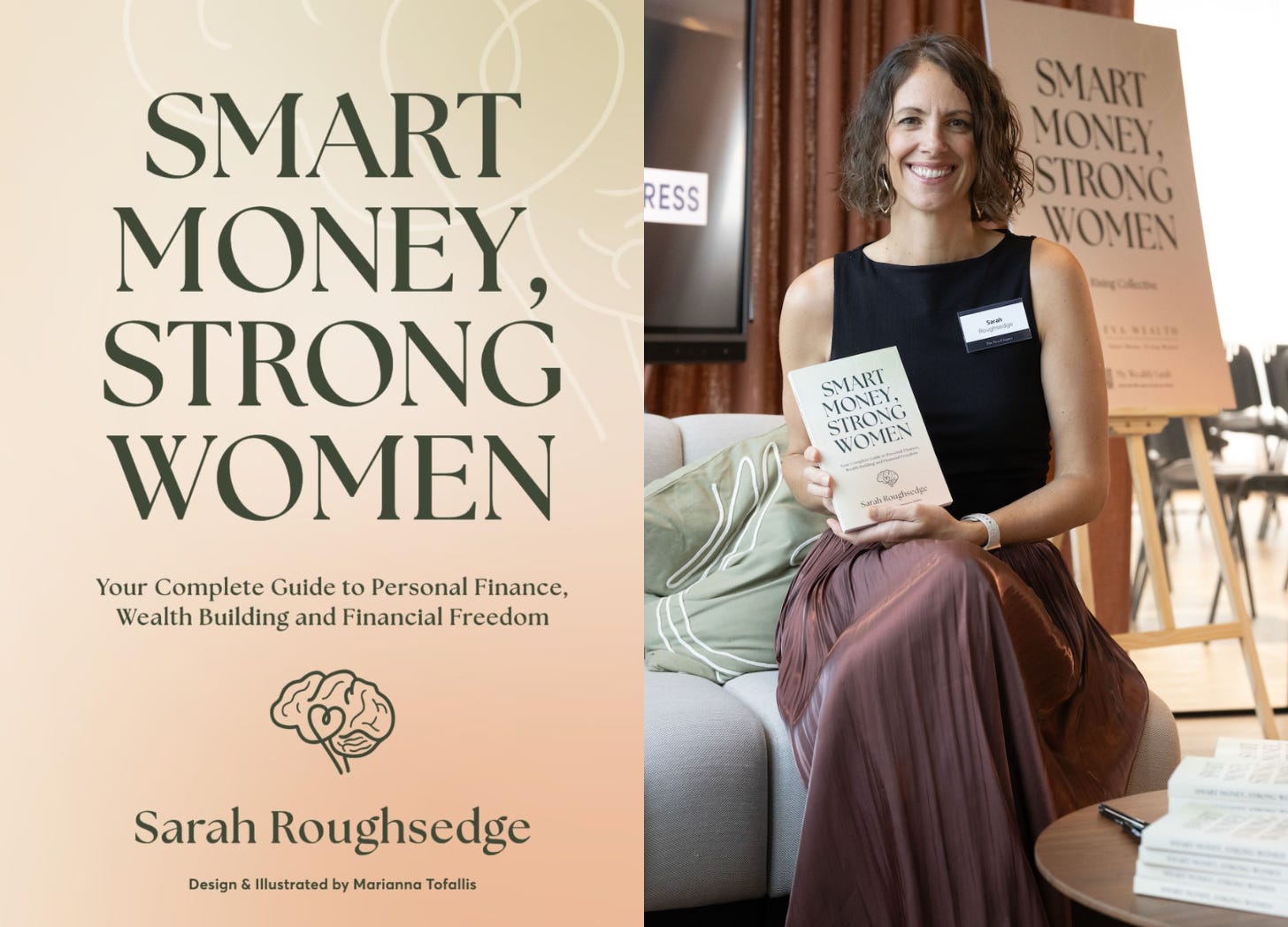
Sarah Roughsedge is an award-winning Chartered Financial Planner and founder of Eva Wealth Management for Women. She has spent over a decade helping women navigate life’s biggest financial transitions – from divorce and bereavement to career change and retirement – and is the founder of MyWealthVault and author of Smart Money Strong Women.
