


By Dr Radha Modgil
If you haven’t heard the Twenty One Pilots track Stressed Out, then take a listen - it encapsulates feeling completely overwhelmed and the longing to return to a time when we felt a bit freer. It’s the perfect track to put on your playlist during April’s Stress Awareness Month.
Stress has an insidious way of creeping up on us, like a cloud covering the sun, and before we know it, we have tipped from perhaps low stress levels into complete and utter overwhelm and even burnout if we don’t notice and act fast to change things.
And it’s more common than you think - research shows 85% of us experience stress at some point and 63% at least on a weekly basis, with women 10% more likely to experience stress than men daily. In 2026, research shows 66% of women experience stress at least weekly.
Stress, in itself, is not the problem. It’s actually a normal physiological response to a threat.
Back in the days when we were at risk of being attacked by wild animals our ‘stress response’ was absolutely on point. And even today, if we are in acute danger, our bodies go into a made to measure ‘fight or flight ‘mode and we have a surge of adrenaline and cortisol (our stress hormone) that allow us to either tackle the threat or to evade it. When the perceived danger has passed, these chemicals and hormones go back to their baseline normal levels.
The problem is that we can fall into the trap of perceiving all kinds of things that make us feel threatened psychologically or emotionally, rather than being in actual physical danger. These ‘mis-triggers’ are things we might frequently encounter in all of our life zones: work pressure, moving home, family disputes, financial worries, relationship breakdown, friendship conflicts, bereavement or illness.
Even with these everyday triggers, stress can actually be useful in small, short doses because adrenaline and cortisol can help us perform better, be more productive and make us more motivated to take action and solve problems.
The issue comes when it’s chronic with no resolution, excessive in amount and pervasive in nature. In addition, it has a damaging impact on us physically, mentally and emotionally when we don’t notice it, ignore it, or don’t try to reduce it.
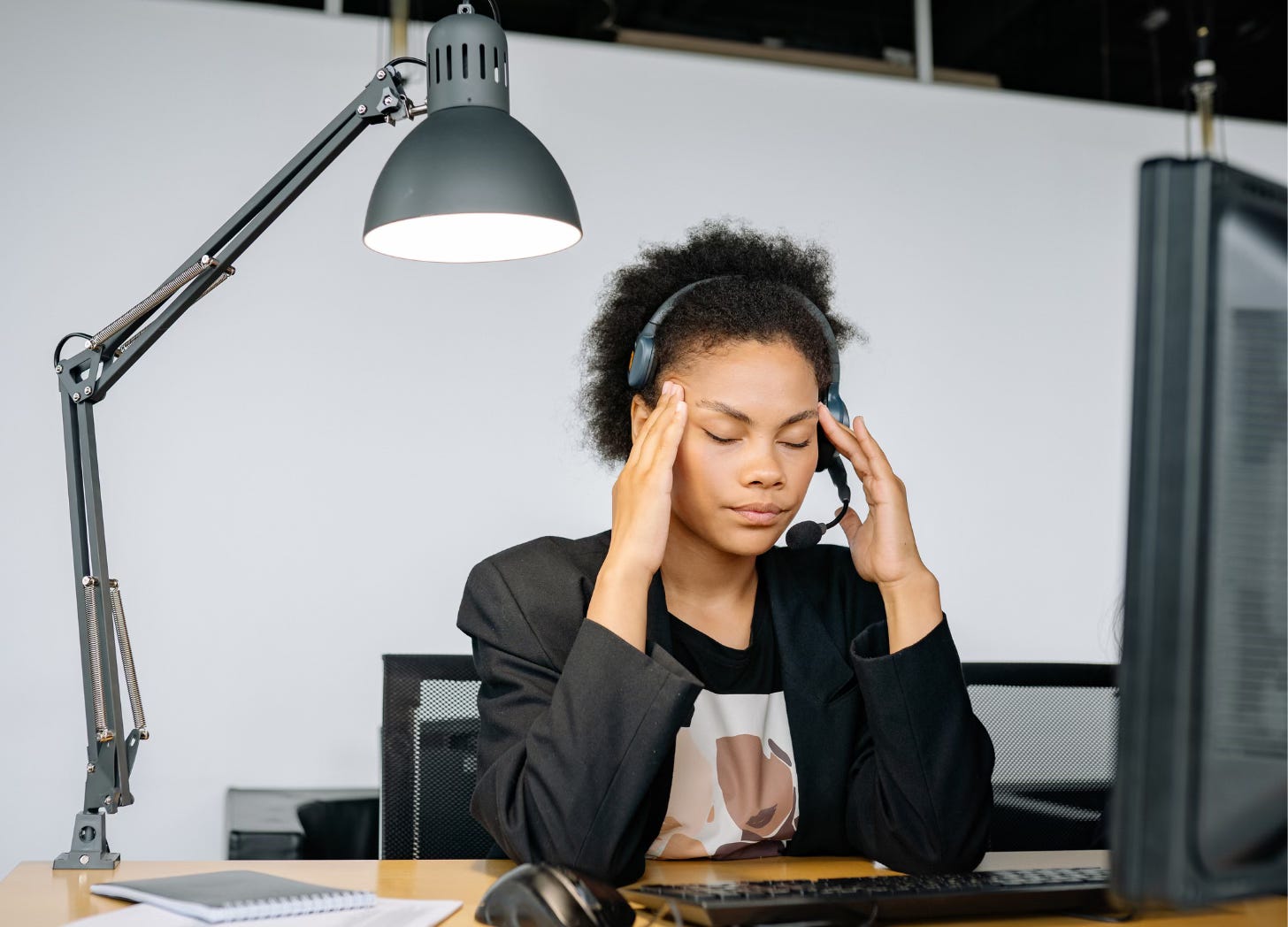
Chronic stress keeps cortisol and adrenaline persistently high and that impacts our bodies and brains in all kinds of ways. We’re then at higher risk of mental health impacts: anxiety, depression, irritability, memory issues, poor decisions, difficulty concentrating and insomnia. It also contributes to a higher risk of physical health problems: high blood pressure, weakened immunity, digestive issues, muscular tension and weight gain. And finally, there’s a higher risk of relationship breakdown, of isolating yourself, using things like alcohol or smoking to ‘escape’ how we feel and of neglecting self-care.
If you are tired of feeling stressed out then here are my 7 ways to tackle it:
Acknowledge your stress
It’s all too tempting to just carry on because we are busy and because we just ‘haven’t got the time’ to deal with it. Avoid going into denial. Are people noticing you’re getting more irritable? Are you finding it difficult to relax? Are you sleeping badly? Have you started getting tension in your shoulders or jaw? Have you stopped going for that regular coffee with a friend or to that gym class that makes you feel better? Name it because when we do, we can then take control of it. Stop, take a breath and tell the people around you who love you what is going on.
Identify the cause
Often, we can pinpoint the problems in our lives that are making us feel so stressed, but sometimes it is not always so easy. Write down what is happening right now in each zone of your life and score how you are feeling in each. This can give you some clues. If it’s still tricky then ask a close friend to talk things through with you. It can be helpful when you have written the things that are making you worry, to list them in order of impact out of 10. You can then tackle maybe a combination of lower scoring issues, or alternatively one high scoring problem, depending on how easy they are to tackle. Be honest about what is causing you to feel stressed; people, situations, relationships, work. No one and no thing should be pushed away just because there is some fear in naming them.
Set boundaries
Before we can move into problem solving, we need to create some space and energy from somewhere - not easy when we are so worn down and tired. One way to do this is to set some boundaries. Start saying ‘no’ to things - other people’s demands and activities that are taking away unnecessary energy and time. Look at your day, week and month ahead in advance and start freeing things up in your diary. Only plan to do a certain number of things in any week, and only go to a certain number of locations in one day. Prioritise the time you go to bed and how much sleep you will have. These things will give you enough reserve to start the next step.
Problem solve
Some things can improve and it’s helpful to put your energy into what you can control and what you can change. Avoid metaphorically banging your head against a brick wall trying to change people, things and situations that are out of your control. Break down the problem into smaller issues and next to each one write down some ideas you could take, or actions you could delegate to someone else to support you with. Begin small, but be determined and persistent because once you start seeing progress and improvement, you will feel less stressed and much more motivated to keep going.
Related articles


Find your strategies
We all have certain things that make us feel less stressed; what are your top three go-to strategies? Science shows moving our bodies helps by releasing dopamine and serotonin which boost our mood; meditation and mindfulness help us relax; deep breathing activates our parasympathetic nervous system which reduces stress; being out in nature lifts our mood;, and eating well, sleeping well and reducing screen time can also support us. You might find music, art, crafting, baking, gardening, writing, films, books and hobbies help. And don’t forget to laugh, see people who make you feel good and hugs help too. List your strategies and use them regularly.
Accept life can be stressful at times
There are challenges in life that we cannot change and that we have to accept or we just remain stressed our whole lives. We cannot control other people’s thoughts, feelings and behaviours. We cannot control certain sudden life events. We cannot control world events. In fact, when you think about it, the only thing we can control is ourselves - our thoughts, our feelings and our actions. This realisation can sometimes bring a huge sense of relief. You can drop the other stuff because it is not yours to hold. Acceptance of some of the stress-inducing stuff actually helps to reduce the stress itself.
Walk away
It is not always possible, but if you can walk away, then do so. We sometimes believe we have to struggle through problems, that we are trapped and not allowed to say ‘no more’. But, we can. Each of us deserves peace of mind, love, respect, good health and to put ourselves first. What is the alternative? When you next feel stressed, remind yourself that you are important too, and decide that even if the problem is not going away, maybe you either walk away - literally or mentally.

Dr Radha Modgil is an award-winning medical doctor and GP, TV presenter and author of Know Your Power: Inspiration, Motivation and Practical Tools For Life. You can read more about her here drradha.co.uk and follow her on Instagram.