
6 schoolgirls solving real-life issues
These young women are tackling challenges in their communities and beyond

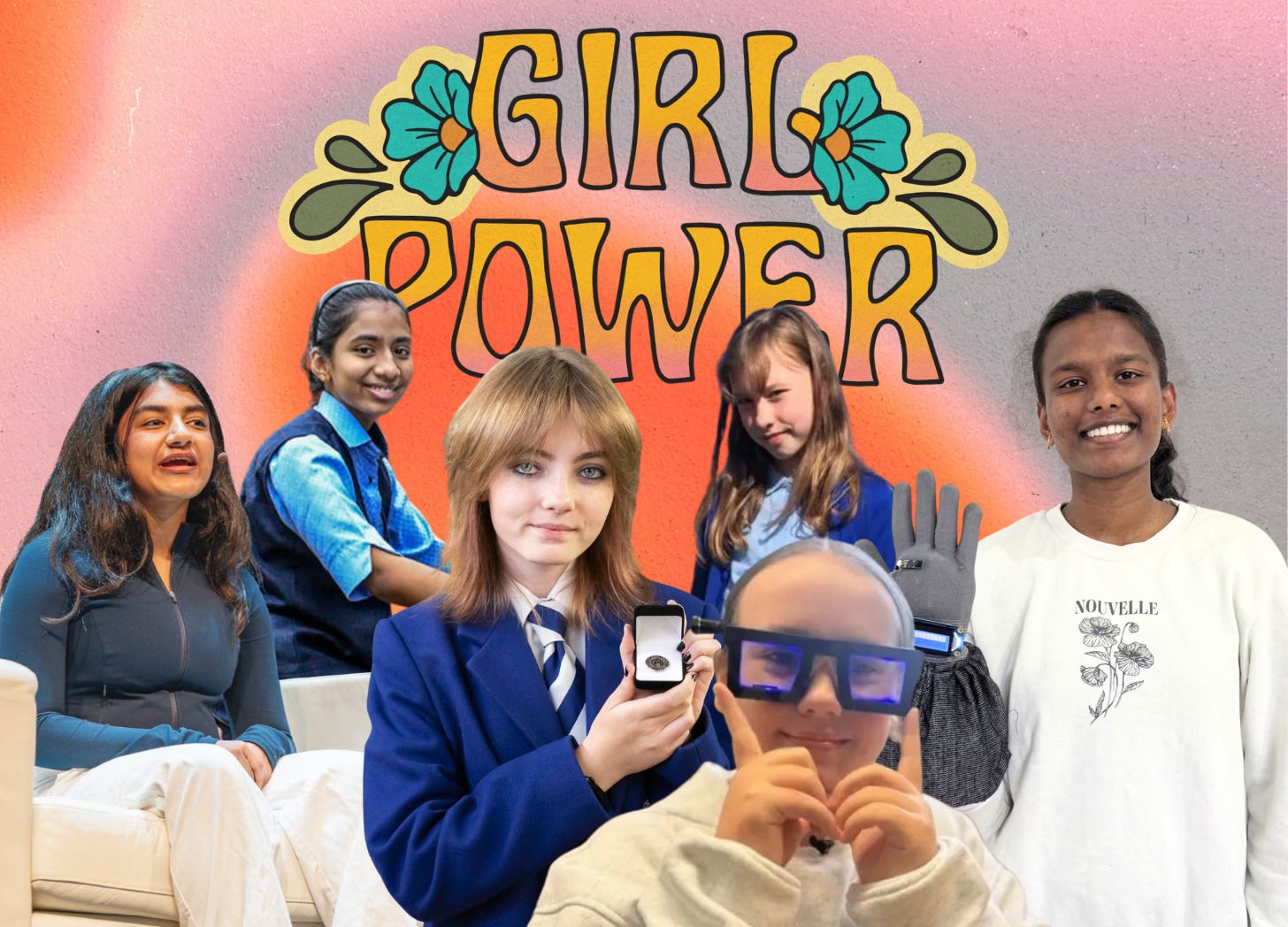
Society has a tendency to talk about girls as future leaders, future innovators, and future change-makers. But across the world, many of them are already doing the work - often in ways that are practical, specific, and rooted in everyday experience.
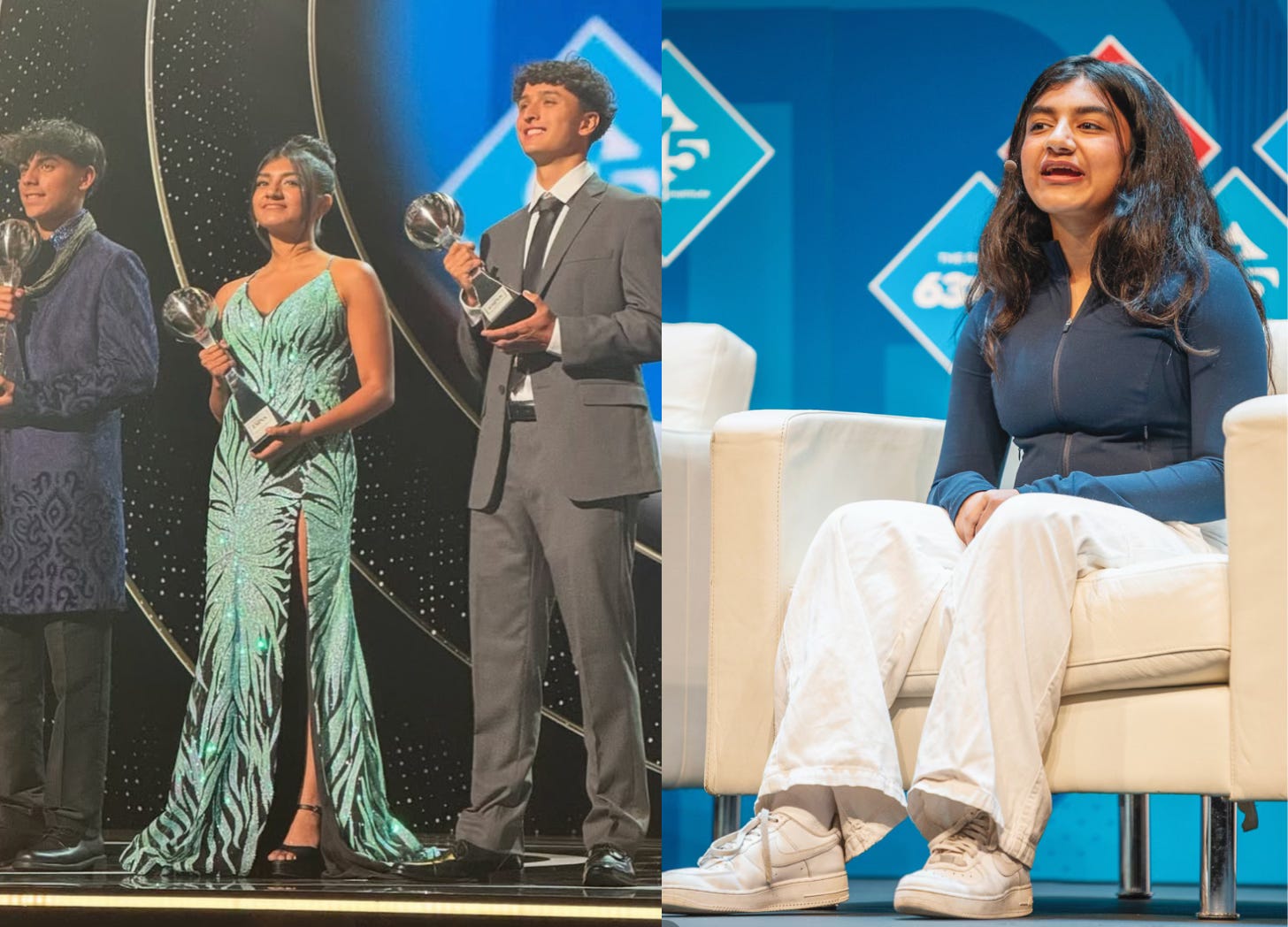
For Maegha Ramanathan, the catalyst was sport. After facing sexist comments from male teammates as a young athlete, she realised how widespread the experience was among girls around her. At 13, she founded Girls4Sports to challenge the inequality, creating a global organisation that has since reached more than 1,000 participants, building confidence alongside opportunity.
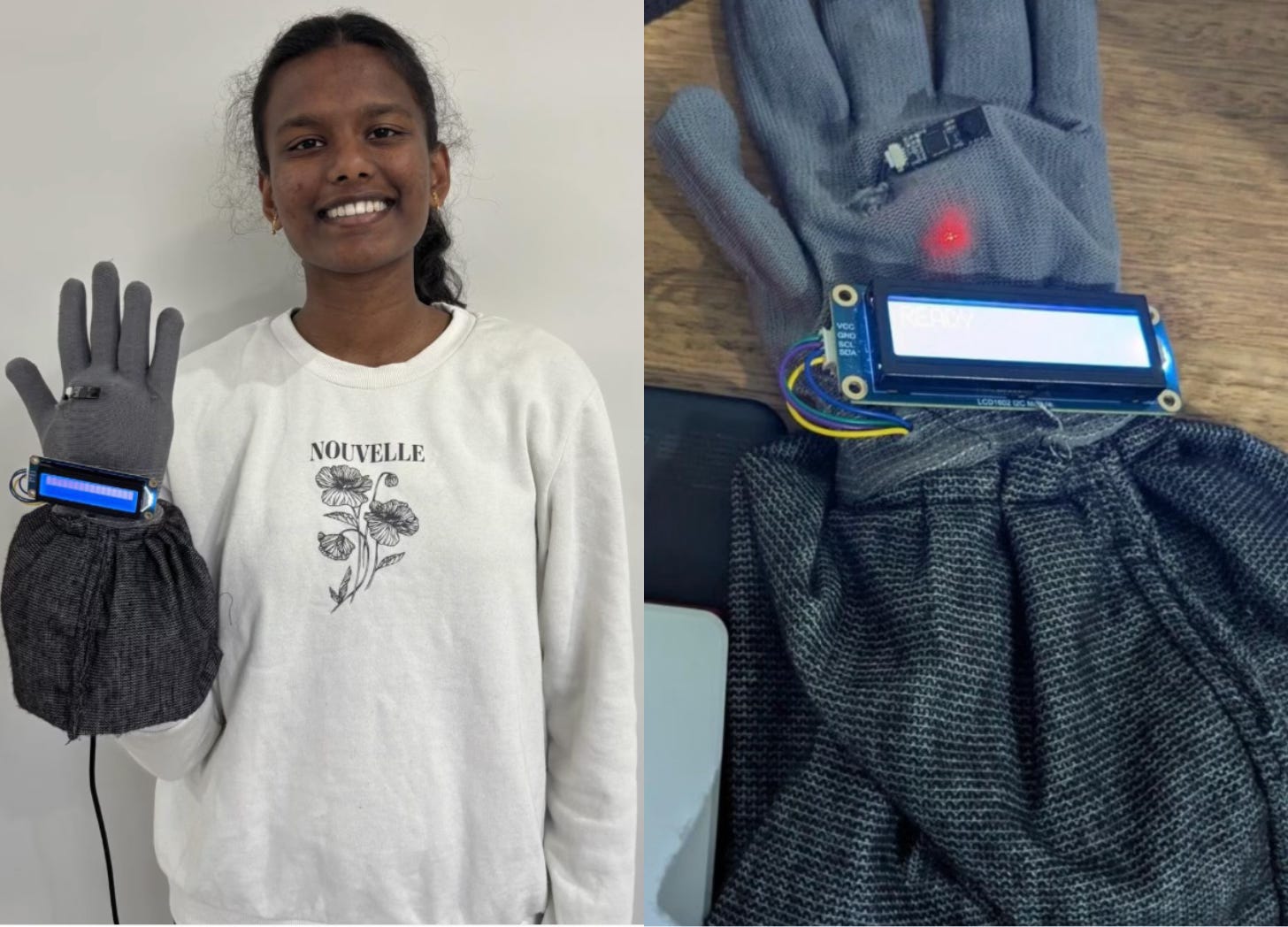
In Australia, 16-year-old Jayashruthi Palanisamy designed the Echo Glove, a wearable device that translates sign language into speech and spoken words into text. Inspired by the limitations of existing communication methods, it proposes a more immediate, intuitive way for deaf and hard of hearing people to connect.
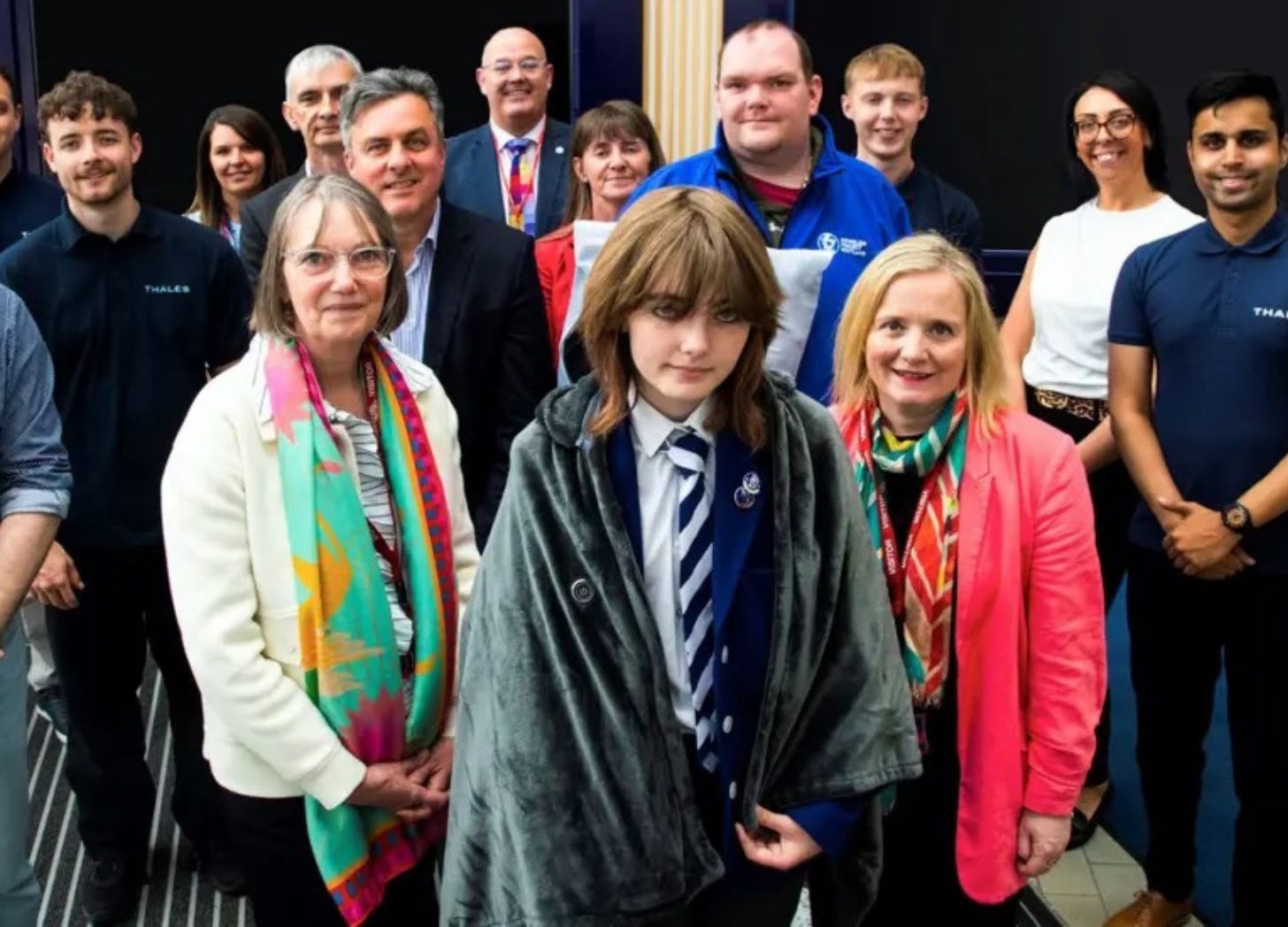
At age twelve, Rebecca Young designed a solar-powered blanket that stores energy during the day and releases heat at night, after first developing the idea at a school engineering club. Motivated by seeing people experiencing homelessness in Glasgow, she wanted to create a simple source of warmth that did not rely on power. The blanket is now being used by homelessness charities in Scotland, turning a straightforward idea into an immediate, practical impact.
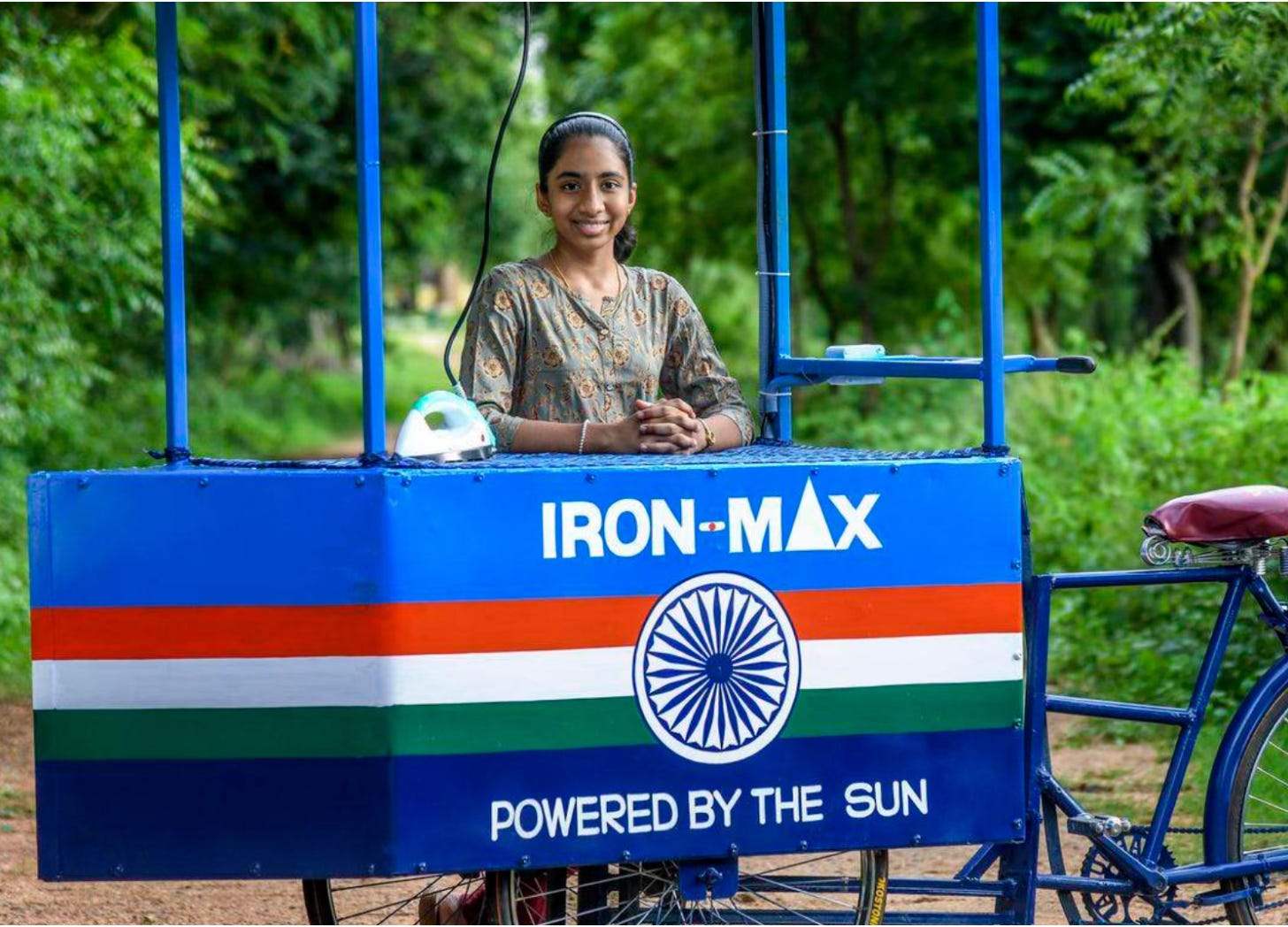
In India, 14-year-old Vinisha Umashankar reimagined a familiar sight after noticing a street vendor discarding charcoal on her way home from school. Curious, she began researching its impact, uncovering links to lung disease and deforestation. Her solar-powered ironing cart replaces charcoal with clean energy, reducing harmful smoke while keeping the same function, offering vendors a more flexible, practical way to work.
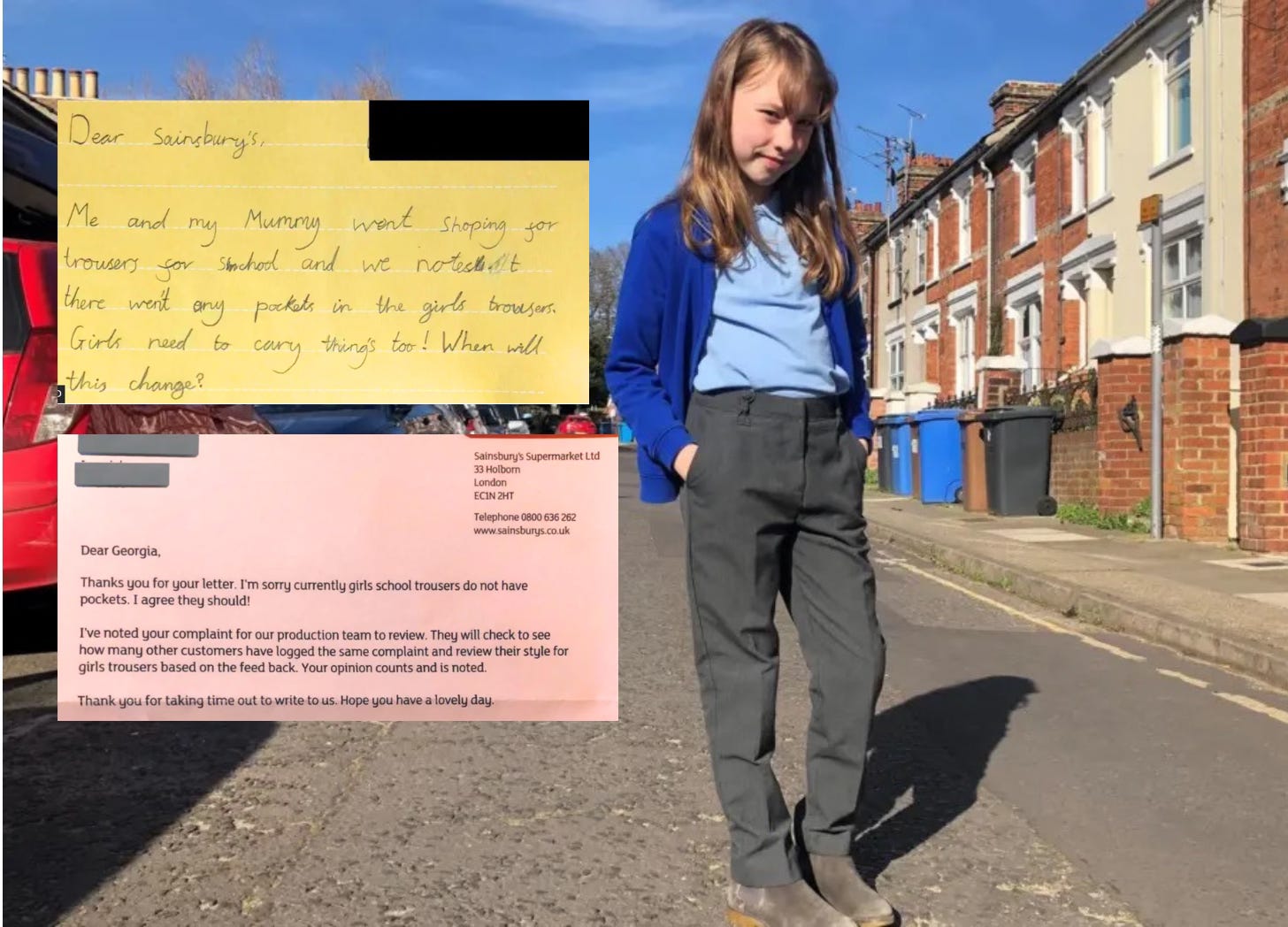
Other changes can start with something as ordinary as a school uniform. At eight years old, Georgia from Ipswich questioned why the girls’ trousers in Sainsbury’s did not have proper pockets. She wrote to them, receiving a reply saying her feedback would be considered: “I’m sorry, currently girls’ school trousers do not have pockets. I agree they should,” a representative for the store said. She also organised a petition at her school, and later found pocketed designs in stores. Whilst Sainsbury’s has not commented on whether Georgia’s campaign influenced this, her actions are a reminder that even small voices can spark change, and that noticing what’s missing is often the first step toward fixing it.
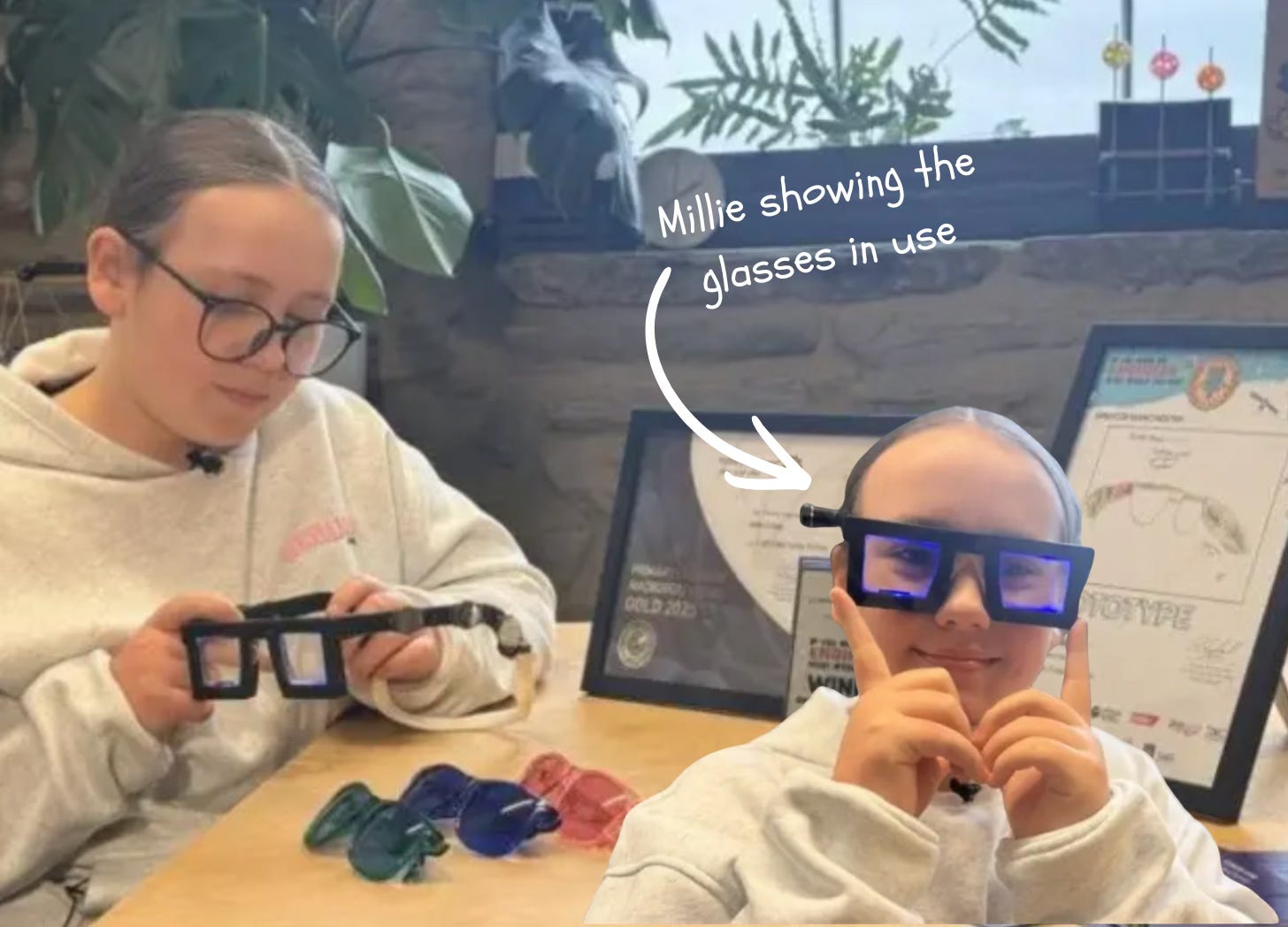
Sometimes the starting point is even more personal. At 11, Millie, from Salford, designed colour-changing glasses to make reading easier for people with dyslexia - an idea she first had at eight after struggling with visual stress herself. The glasses use interchangeable lenses to reduce discomfort and improve focus, turning her own experience into something that could help others read more comfortably.
Many of these ideas have been recognised beyond their local contexts. Publications like Time and The Guardian have increasingly highlighted young innovators tackling issues from climate to accessibility, often before they have finished school. What links these stories is not scale, but clarity - each begins with a problem that is seen, felt, and understood.
Taken together, these young women show that change does not always start with expertise or authority. Sometimes it can start with noticing what is missing, and deciding to fix it.
